5 Top Tips for Moving Home
The five moving house tips that matter most, in order: the survey, the packing, the new home, the first night and your privacy, each with what goes wrong without it.

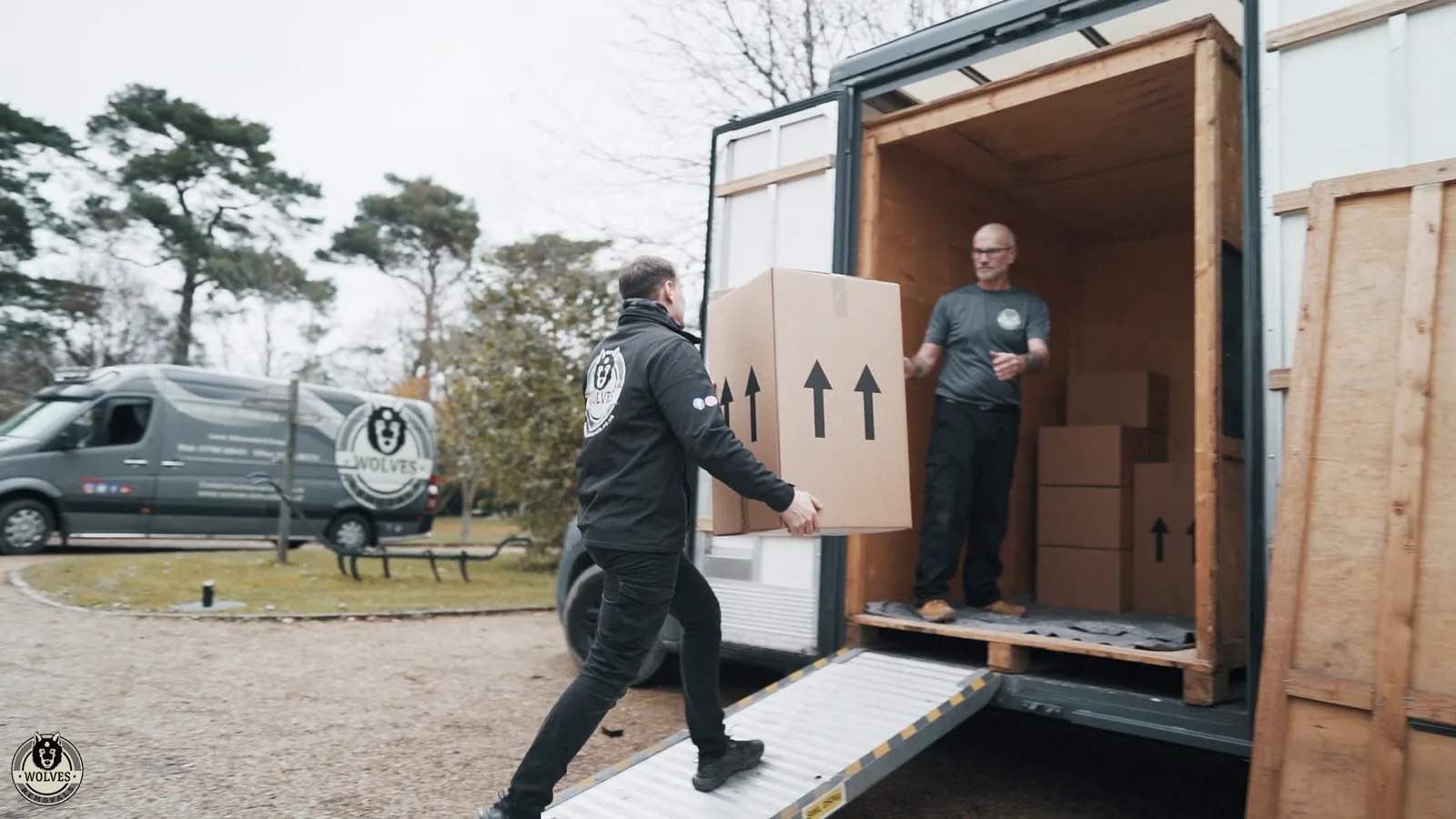
They follow the move’s own order; tip 5 runs through all of it.
In short
What are the best tips for moving house?
The five that matter most, in order: show your removal company everything at the survey, be packed by the night before, ready the new home, make the first night safe and keep the move private.
The five, in order
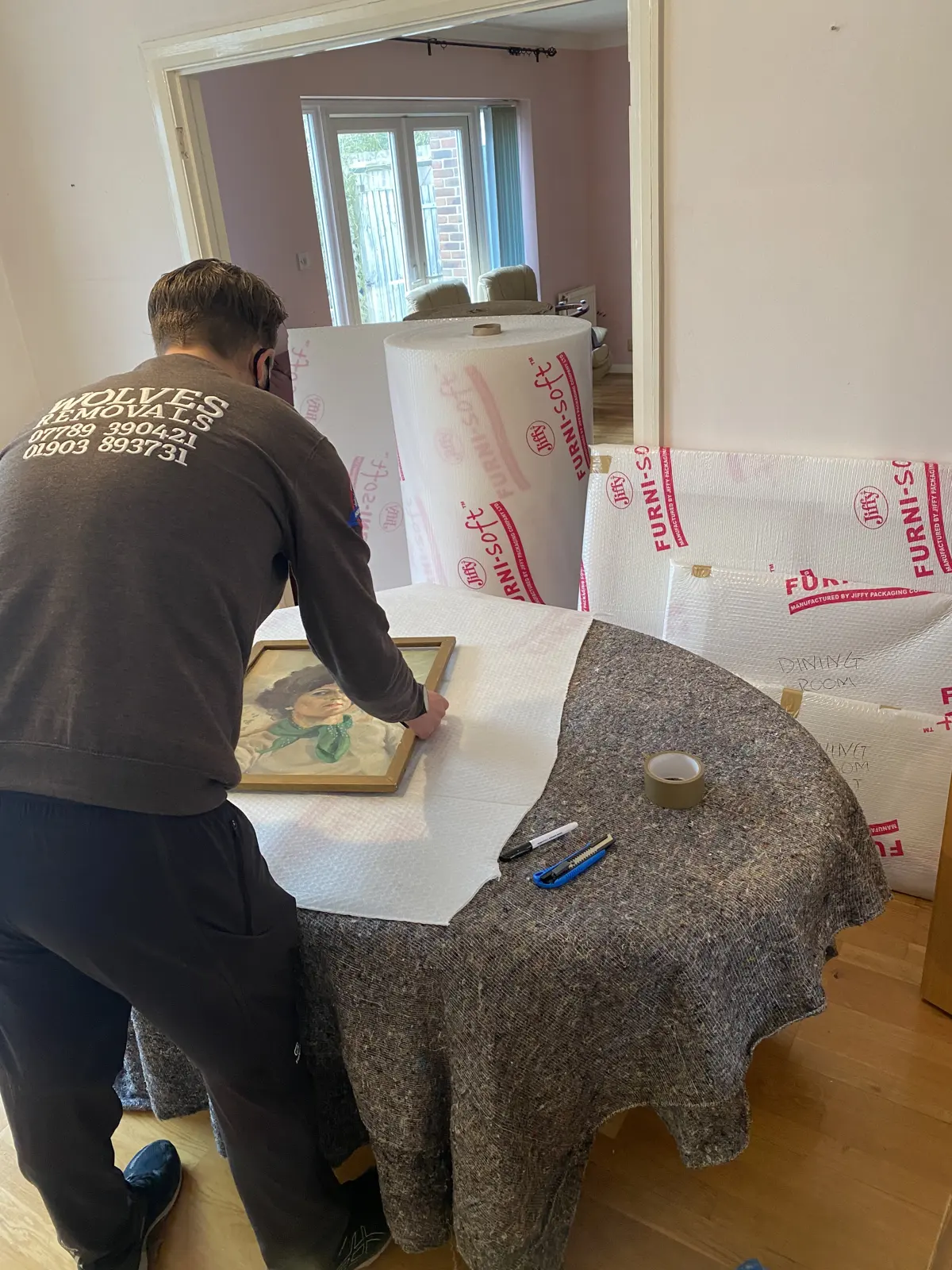
- Show your remover everything. Or moving day finds what the survey missed.
- Packed the night before. Or the crew waits for the last boxes.
- Ready the new home. Or the furniture goes into rooms nobody has cleaned or measured.
- A safe first night. Or you sleep with untested alarms and unchecked gas.
- Keep the move private. Or a moving-day post can give fraudsters what they need. Then tell people in order.
What should your removal company know before moving day?
Everything, including what isn’t coming, because the plan for the day and the written quote are built from what the survey sees. Our 3-bed costs guide lists what to show and the three ways a quote can still move.
Say it at the survey
- The far end. Both addresses count. On our Arundel to Taunton move, the new home’s unknowns were “checked before the lorry left Sussex rather than discovered on arrival”.
- Furniture that worries you. Say so at the survey rather than on the day: “it is the difference between three hours planned for and three hours found”, from our Ashington to Storrington move.
- Beds to take apart. Name them at the survey and, as our house removals FAQ puts it, “you sleep in a made-up bed on night one rather than facing an allen key late in the evening”.
- What isn’t coming. Point it out so it stays off the plan, or clear it first.
How packed should you be the night before moving day?
Completely, apart from what you need for one more night: the beds go on the lorry last, and the essentials box goes in the car with you. GOV.UK’s reason for packing a day early is in our money-saving guide.
The night before
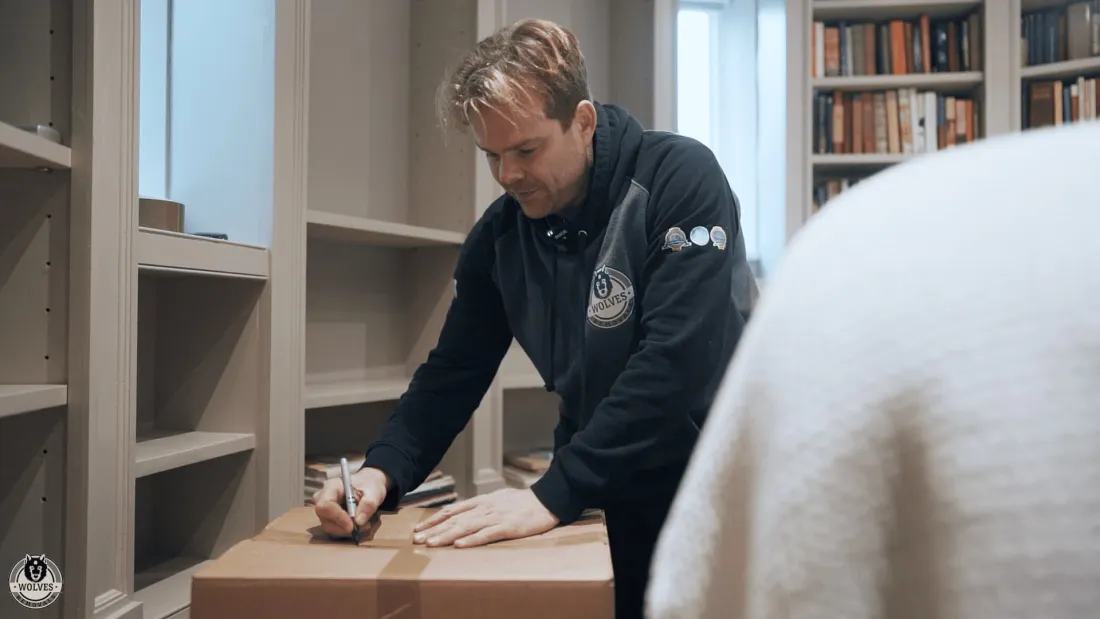
- Boxes closed and labelled. We can’t load boxes “that are open, overfilled or unlabelled, because they are the ones that fail on a staircase”, says our non-fragile packing FAQ.
- Last night held back. On our Uckfield to Turners Hill move, the crew “deliberately left the essentials out — the kettle, the beds, the few things anyone needs for one more evening”.
- Last on the lorry. Next morning, the slept-in beds go on last.
- Behind? Ring ahead. “Tell us the day before rather than on the doorstep and it is usually recoverable,” says our non-fragile packing FAQ.
From our crews: our Angmering to Shoreham move was owner-packed before anyone arrived, which “matters more on a one-day move than on any other kind, because there is no slack in the timetable to finish it for them”.
How do you get a new home ready to move into?
If you’re buying, plan a quick clean, find out from the seller where the meters, fuse box and stopcock are, and measure the rooms. GOV.UK’s home-buying guide suggests all three.
Before the furniture arrives
- A quick clean. The guide warns the new home may be dirty from the builders or the previous owners, so be ready to give it a quick clean before your belongings go in.
- Ask the seller. Before completion, ask where the fuse box, energy meters and stopcock are.
- Measure the rooms. Ask the seller about another visit to measure the rooms for furniture; our planning guide adds the doors and stairs.
Parking suspensions are yours to apply for; our Sussex guide lists them council by council. Our guides also cover clearing the route, the wait for keys and furniture delivery dates.
From our crews: on our Uckfield to Turners Hill move, “Furniture is placed once, in its final spot, before any box is opened.”
How do you make the first night in a new home safe?
Test the smoke alarms, agree the way out and put the keys where everyone can find them before anyone goes to bed.
Before bed on night one
- Every alarm tested. The Home Office’s fire safety advice is to have at least one smoke alarm on every level of your home and to test them at least monthly, so the first night is a good time to press every test button.
- The way out. The same advice says to plan an escape route, make sure everyone knows it and review it when the layout of your home changes. In a new home, that means making a new one.
- Keys within reach. Home Office advice is to keep door and window keys where everyone can find them.
- Leads not overloaded. The advice also warns that an extension lead or adaptor has a limit to how many amps it can take, so don’t overload one.
The rest of the first week, locks included, is in our planning guide.
How do you keep your new address private?
Keep moving details off social media, have your post forwarded and opt out of the open register at the new address.
Keeping the new address quiet
- No moving-day posts. GOV.UK’s home-buying guide warns that it is not uncommon for fraudsters to find what they need on social media, for example a post giving the day you’re moving, the road you’re moving to or a picture of the new house. Think twice before posting.
- Post forwarded. The same guide suggests having your post forwarded, partly to help protect you against identity fraud; when to set up forwarding is in our last-minute guide.
- Off the open register. When you register to vote again, you can opt out of the open register, the version that’s available to anyone who wants to buy a copy. Opting out does not affect your right to vote.
Then tell people in the right order.
What gas checks should you make in a new home?
Check when the boiler was last serviced, fit a carbon monoxide alarm and know HSE’s steps if you smell gas.
Gas in a new home
- A yearly service. HSE strongly advises that gas appliances, flues and pipework are regularly maintained and serviced at least once a year by a registered gas engineer. If you don’t know when the boiler was last looked at, book a service once you’re in.
- A carbon monoxide alarm. HSE recommends one as a useful early warning, but not as a replacement for regular safety checks.
- The meter valve. If you smell gas, HSE’s advice is to call the gas emergency number, 0800 111 999, open the doors and windows, and turn the gas off at the meter control valve if you know where it is.
- Cooker refit. Reconnecting a gas cooker at the new home is gas work, which HSE says must be done by a registered gas engineer.
When should you tell HMRC and DVLA you’ve moved?
Tell HMRC after you’ve moved, not before, and DVLA when your address changes. If the car’s tax is due within 4 weeks, tax it before you change the log book. Everyone else is on the list in our guide to what to consider when moving.
Once you’ve moved
- HMRC after. GOV.UK says you need to wait until you’ve moved before telling HMRC. Its online service then updates your address for Income Tax, National Insurance, Child Benefit and State Pension.
- Keep driving. You can keep driving while your new licence is on its way; online, it should arrive within a week.
- Tax, then log book. If the car needs taxing in the next 4 weeks, tax it on your current log book (V5C) before you change the address. Contact DVLA if the new log book hasn’t arrived after 4 weeks; after 6 weeks without telling DVLA, a replacement costs £25.
- No new passport. GOV.UK’s passport guidance says you don’t need a new passport just because your address changes.
What should you leave behind for the next owners?
Only what you agreed to leave, with the home in “the condition you would wish to find your next home”, as GOV.UK’s selling guide puts it.
Before you hand over the keys
- Belongings and rubbish out. The guide says to make sure you’ve taken all of your belongings and any rubbish; the final walk-through with the crew is in our removals checklist.
- What you agreed stays. Anything agreed in the Property Fixtures and Fittings form should be left behind, the guide adds.
- The in-home display. Citizens Advice says to leave your in-home display for the next people who will live in your home (its advice is for England).
- Keys and meters. Our last-minute guide covers labelling the keys and photographing the meters.
How do you register with a GP and find a dentist after moving?
In England, register with a GP soon after the move; for a dentist, contact any NHS practice.
Health, after the move
- Register soon. The NHS says you should be told when you’ve been registered, usually within 5 days of the surgery getting your details, though it may take longer. How long the form takes, and the ID question, are in our Bognor Regis guide.
- Between homes. Staying somewhere else for a while between homes, and not ready to change surgery? The NHS says you can register with a GP surgery near you as a temporary patient for up to 3 months.
- Any NHS dentist. The NHS says you can contact any NHS dentist and ask for an appointment, though you may be asked to join a waiting list. If you can’t find one, your local integrated care board may be able to tell you where to get an appointment.
Moving nearby and keeping your surgery? Tell it your new address directly, the NHS says.
What changes for school places when you move mid-year?
In England you make an in-year application, and the School Admissions Code sets the main rules. How to apply in West Sussex is in our Bognor Regis guide.
Moving school mid-year
- A formal application. Under the School Admissions Code, which covers state-funded schools in England, you can’t be told you can only join a waiting list instead of making a formal application.
- An answer in writing. The decision must reach you in writing within 15 school days. Grammar schools may test first.
- Start soon. Once you accept a place, the Code says your child should start as soon as possible.
- Stay on the list. GOV.UK adds that you can put your child’s name on a waiting list even if they’ve been offered a place at another school, and that the admission authority must keep it open for at least the first term of each school year.
What do you need to do for pets when you move house?
Update the chip with the database company, get your dog a new tag before moving day and keep pets restrained in the car.
Pets and the move
- The database company. Updating the chip is in our last-minute guide; GOV.UK’s microchip guidance says it goes to the database company your dog or cat is registered with, and you might be charged a fee.
- Cats too, in England. If you live in England, your cat must be microchipped and registered by the time they’re 20 weeks old, including cats that usually only stay indoors.
- A new tag. A chip isn’t the whole answer: GOV.UK says a dog must still wear a collar and tag with your name and address in a public place, so get the new tag made before moving day.
- Restrained in the car. If a pet travels in your car on moving day, the Highway Code says to keep it suitably restrained so it can’t distract you or be hurt if you stop quickly. A seat belt harness, pet carrier, dog cage or dog guard all do it.
Where children and pets spend moving day itself is in our last-minute guide.
About this guide. Sources, read 17 November 2026: GOV.UK (including DVLA, HMRC, Home Office fire safety advice, the School Admissions Code and the Highway Code), the NHS, HSE and Citizens Advice. NHS, school, fire safety, cat microchip and Citizens Advice guidance is for England; the GOV.UK buying and selling guides cover England and Wales.
Your next steps
- Book a free survey.
- Plan the weeks with our house move timeline.
- Read our guide to packing boxes for moving.
Jack Wolfe
Director, Wolves Removals · Ashington, West Sussex
Jack runs Wolves Removals, which has moved families and businesses across West and East Sussex, Surrey, Hampshire and Kent since 2016 from its Ashington base. The firm is fully insured, Checkatrade-verified and a LAPADA Approved Service Provider for antiques and fine art. More about us, or read our reviews.
5 Top Tips for Moving Home — FAQs
Take the surprises out of moving day: show your removal company everything at the survey, be packed by the night before and have the new home ready. Then make the first night safe and tell people in the right order.
Be packed, every box closed and labelled, before the crew arrives, with the box you need that night kept with you in the car. If you’re behind, tell your removal company the day before.