They Never Saw a Box, Only the New Furniture
Three days, a move of a few miles into Horsham, and a client who was away on business for all of it.

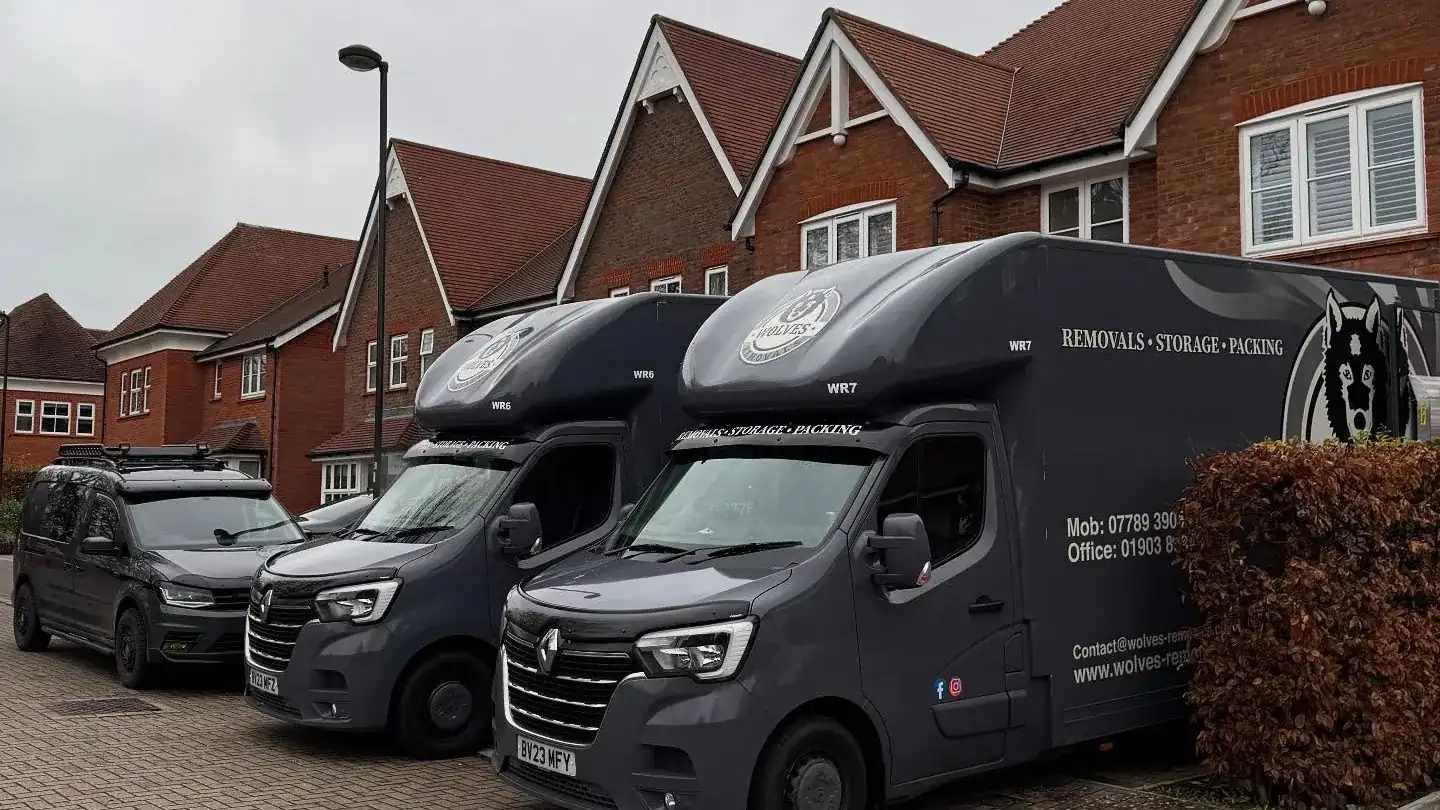
We packed the house, moved it, took in the brand-new furniture arriving from the shops, built it, and put the whole place away — so the only thing left to do on arrival was open the front door.
Three Days, and the Client Was Not There
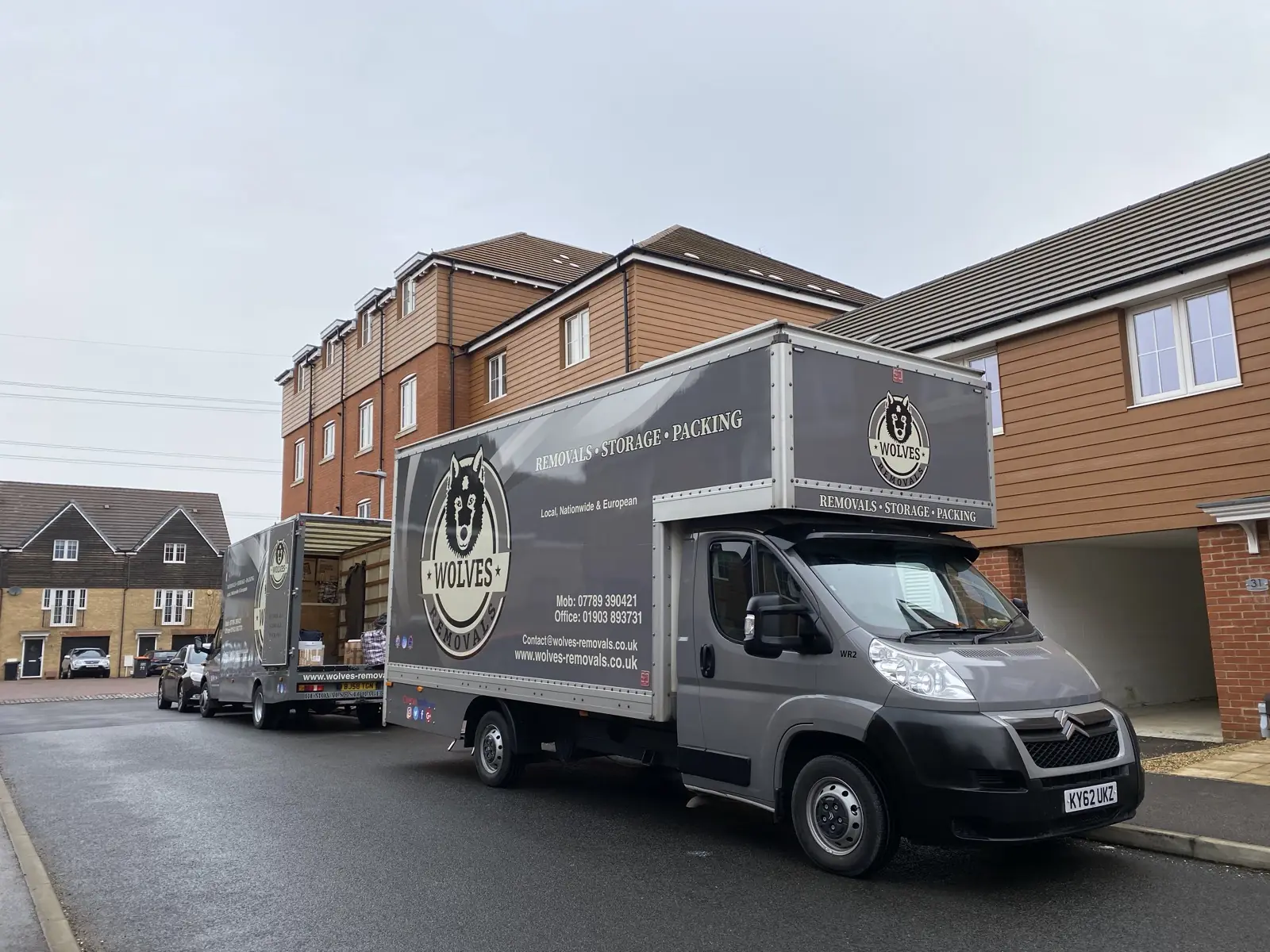
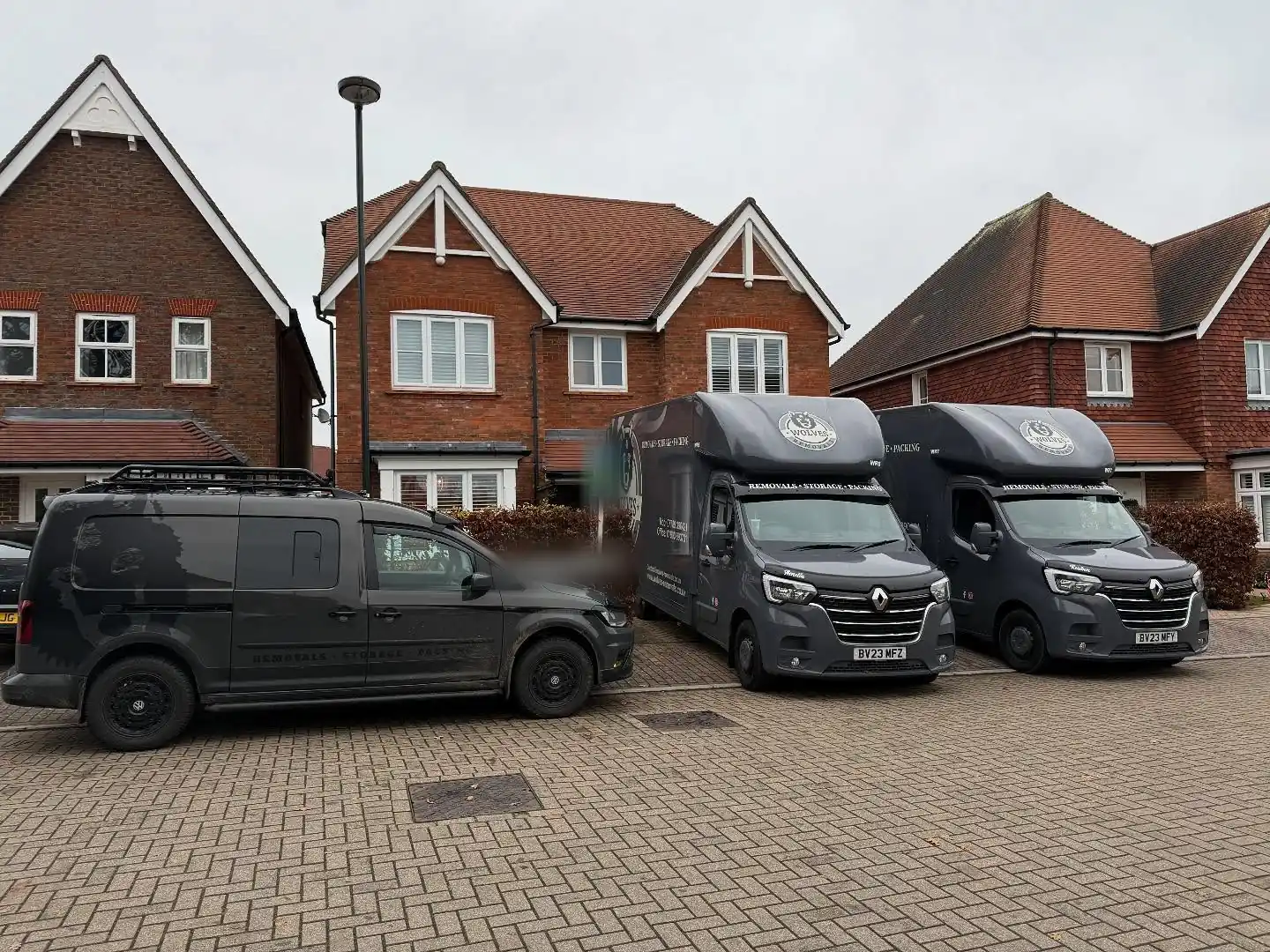
Two Lutons, a crew van, and a great many decisions. This was a short move — from just outside Horsham into Horsham itself — and by the ordinary measures of our trade it should have been the simple kind. It was not, and the reason had nothing to do with distance.
The client was away on business. Not away for the afternoon: away for the whole thing. They handed over a house that needed packing and expected to walk into one that was finished.
That changes what the job actually is. On a normal move the client is the decision-maker standing in the hall, and a hundred small questions get asked and answered as the day goes on. Which room is this. Does that go upstairs. Where do you want the desk. Take the client out of the building and every one of those questions still exists — somebody just has to answer them without asking.
- Every item in the house packed and labelled.
- Nothing left for the client to do at the old address.
- Boxes emptied, contents put away rather than stacked.
- Beds built and made, wardrobes filled, kitchen loaded.
- Packaging removed, so the house read as finished rather than mid-move.
Day Two Was the Difficult One
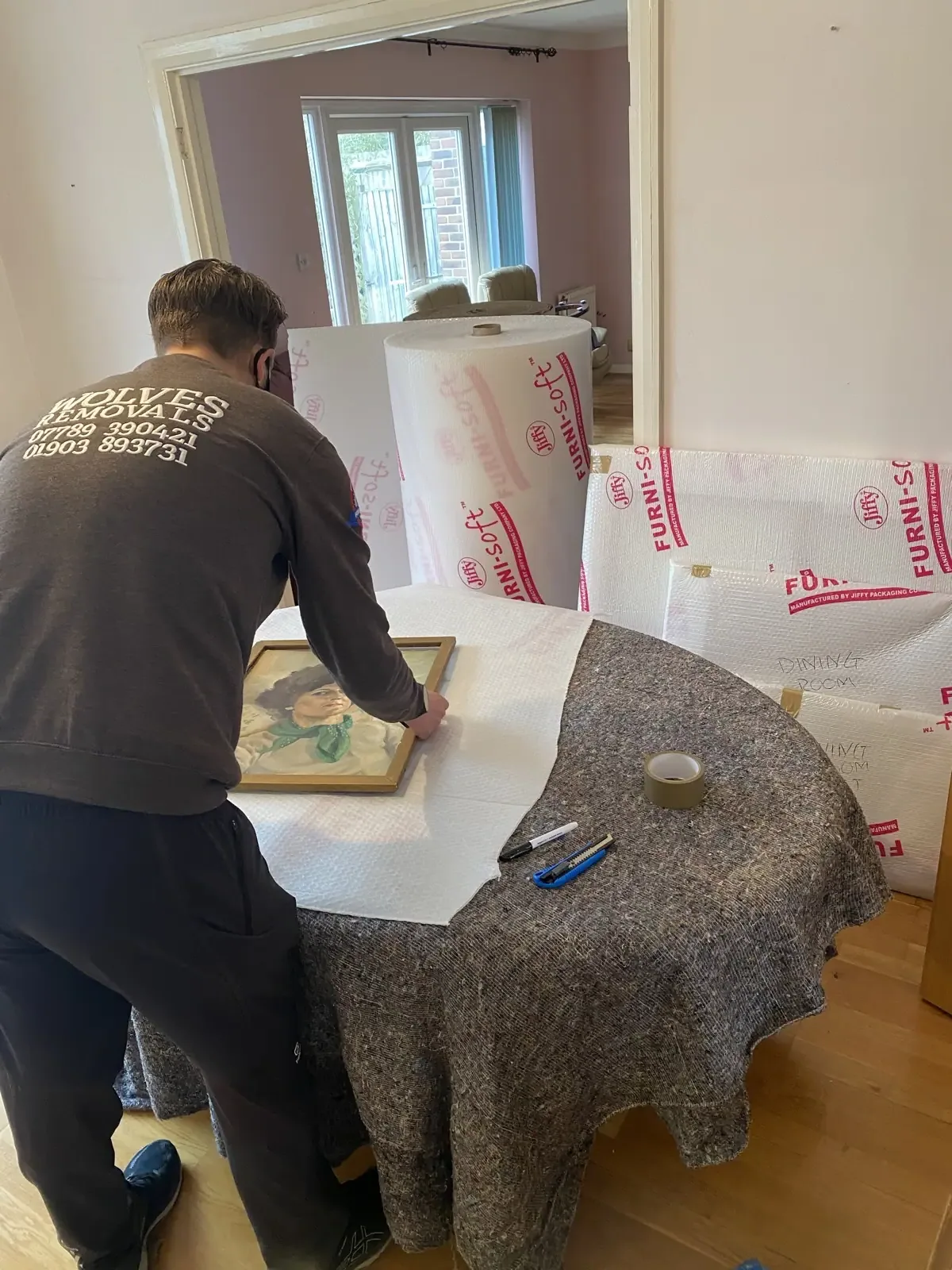
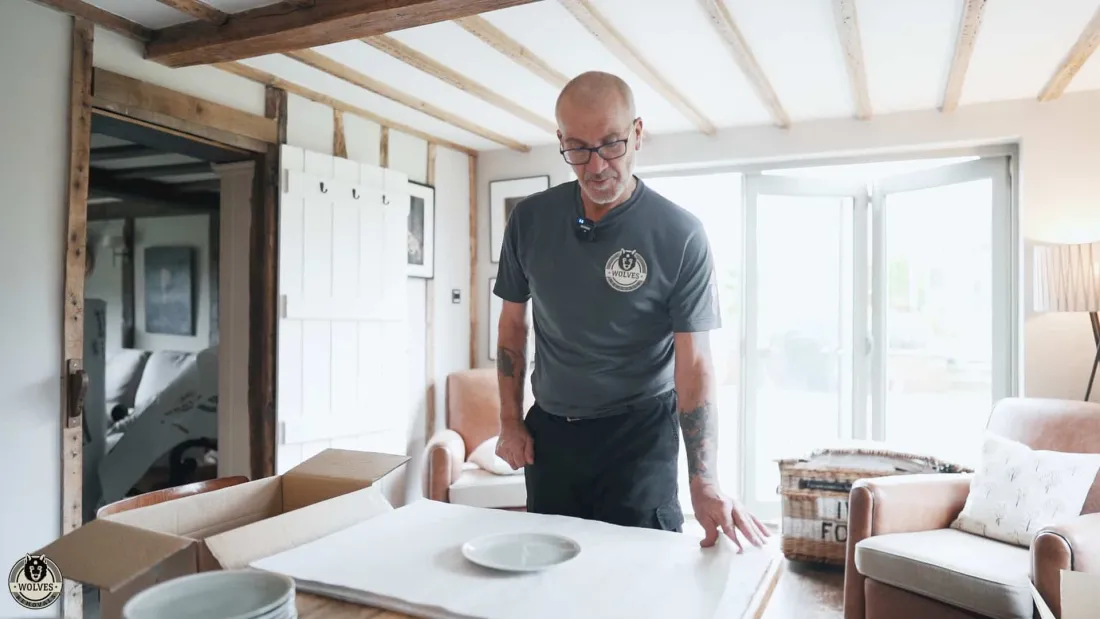
Day one was a full pack: the whole house into cartons, labelled, nothing left behind for the client to deal with. That is a service we run constantly and we have written about what it involves in detail elsewhere, on a six-day packing job out of Horsham. It is hard work and it is well understood.
Day two is where this one stopped being ordinary. The belongings came across from the old house, which is the part everybody pictures. At the same time, brand-new furniture the client had bought for the new place was arriving from retailers on their own delivery slots, to a house whose owner was not in it.
- Arrives in one go, on a date you chose.
- Someone knows what is in every box.
- Can be held on the vehicle if a room is not ready.
- Arrives on the retailer’s date, not yours.
- Turns up flat, in cartons, needing building.
- Somebody has to be there to sign for it.
So Wolves Removals took the deliveries in, checked them, unboxed them, built them, and put them where they were going to live. Not stacked in the hall for later. Built.
When to Buy Furniture for a New House
Aim for it to arrive after your move, not during it. That is the whole answer, and the reason is logistics rather than taste: it is one of the questions we field most often on survey calls.
You cannot take delivery at a house you do not yet have the keys to.
That single fact pushes almost everybody into the same trap: they order in good time, the delivery slot lands in the week they complete, and now a sofa and a wardrobe are arriving on the same day as an entire houseful of their own belongings, through the same front door. Wolves Removals
Three things are worth knowing if you are buying furniture for a house you have not moved into yet.
Order it to arrive after your own move, not during it. A day between the two is worth more than a week of planning. If the slots cannot be moved, tell your remover the dates — it changes how we sequence the rooms.
Assume it arrives flat. Most new furniture turns up in cartons, and the delivery crew’s job usually ends at the door or the nearest room. Assembly is somebody else’s problem, and on moving week that somebody is generally you.
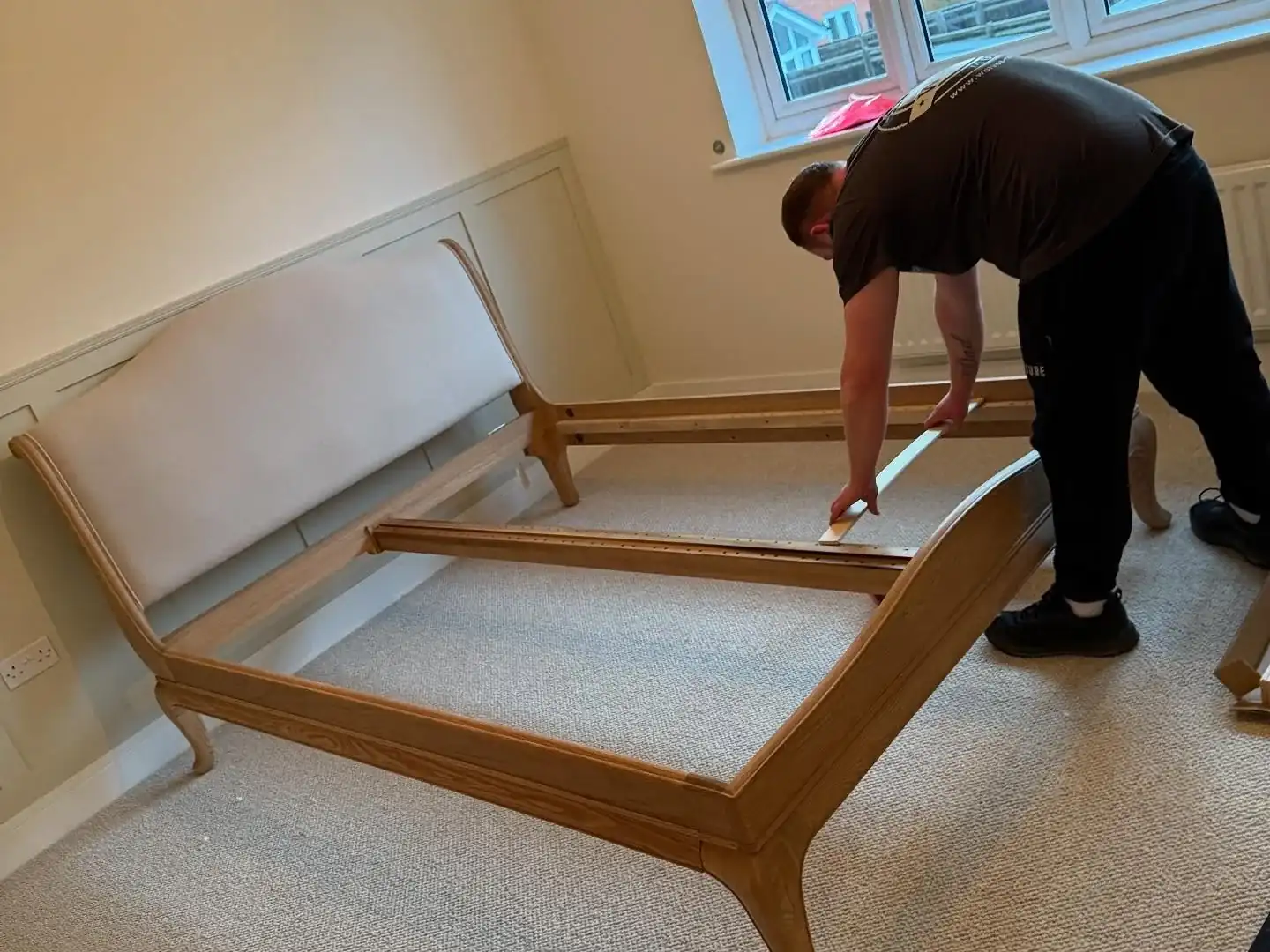
Build it where it lives. This is the one people learn the hard way. A bed frame or a large wardrobe assembled downstairs is a bed frame that will not go up the stairs afterwards. Anything with a footprint bigger than a doorway gets built in its final room or not at all.
Unpacking Is Not the Same as Emptying Boxes
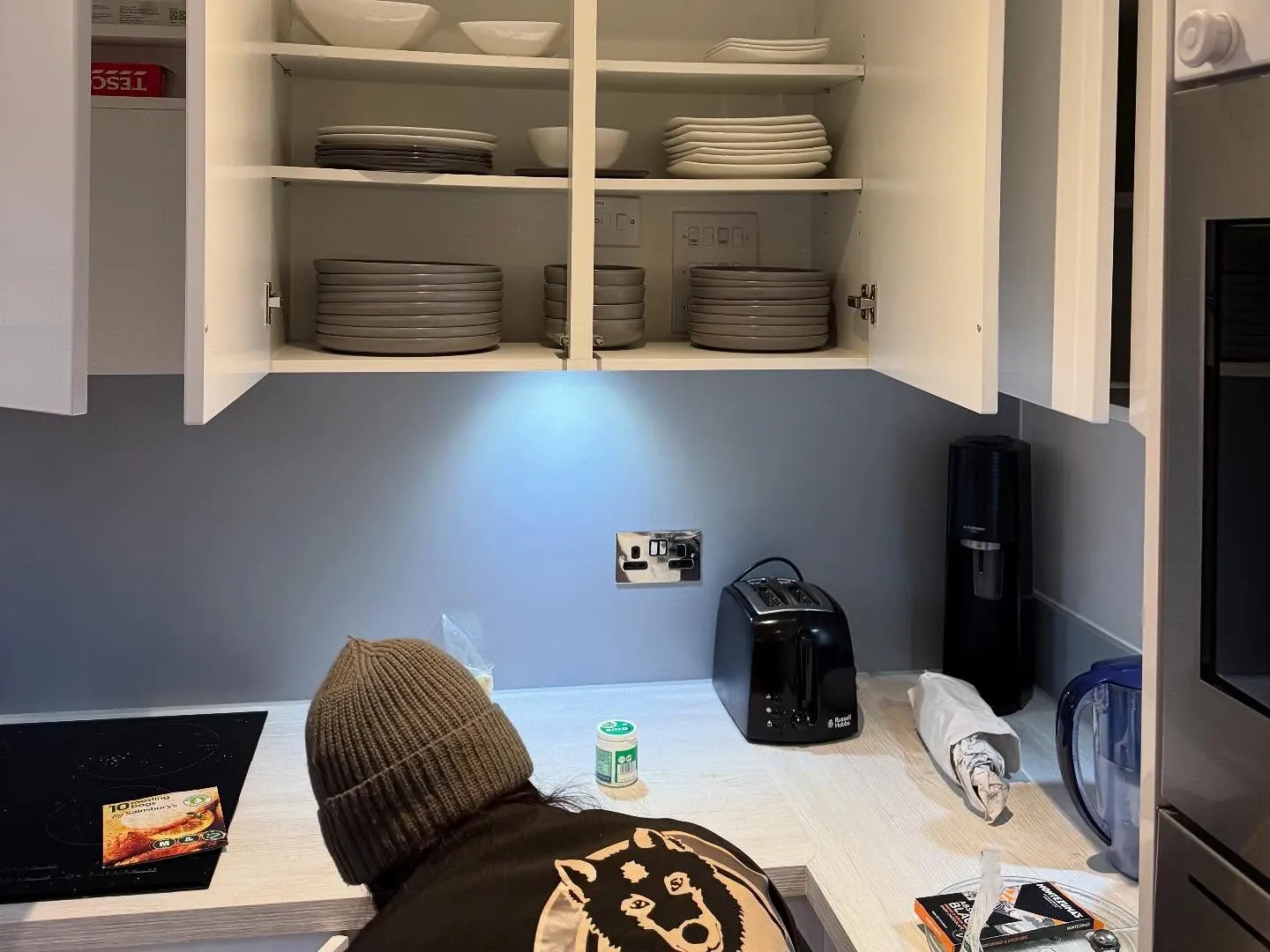
You can hire someone to do this, and it is a separate service from the move itself. There is a real difference between a house where the boxes have been opened and a house that has been put away, and it is obvious the moment you walk in.
Emptying boxes leaves you with the contents of your house on every horizontal surface and a hallway full of flattened cardboard. It looks like progress and it is the worst stage of a move to live in, because nothing is findable and nothing can be tidied until it has somewhere to go.
Putting a house away means the cardboard leaves with us and the plates are in a cupboard. It is the difference between a house you can start living in and one you have to finish first.
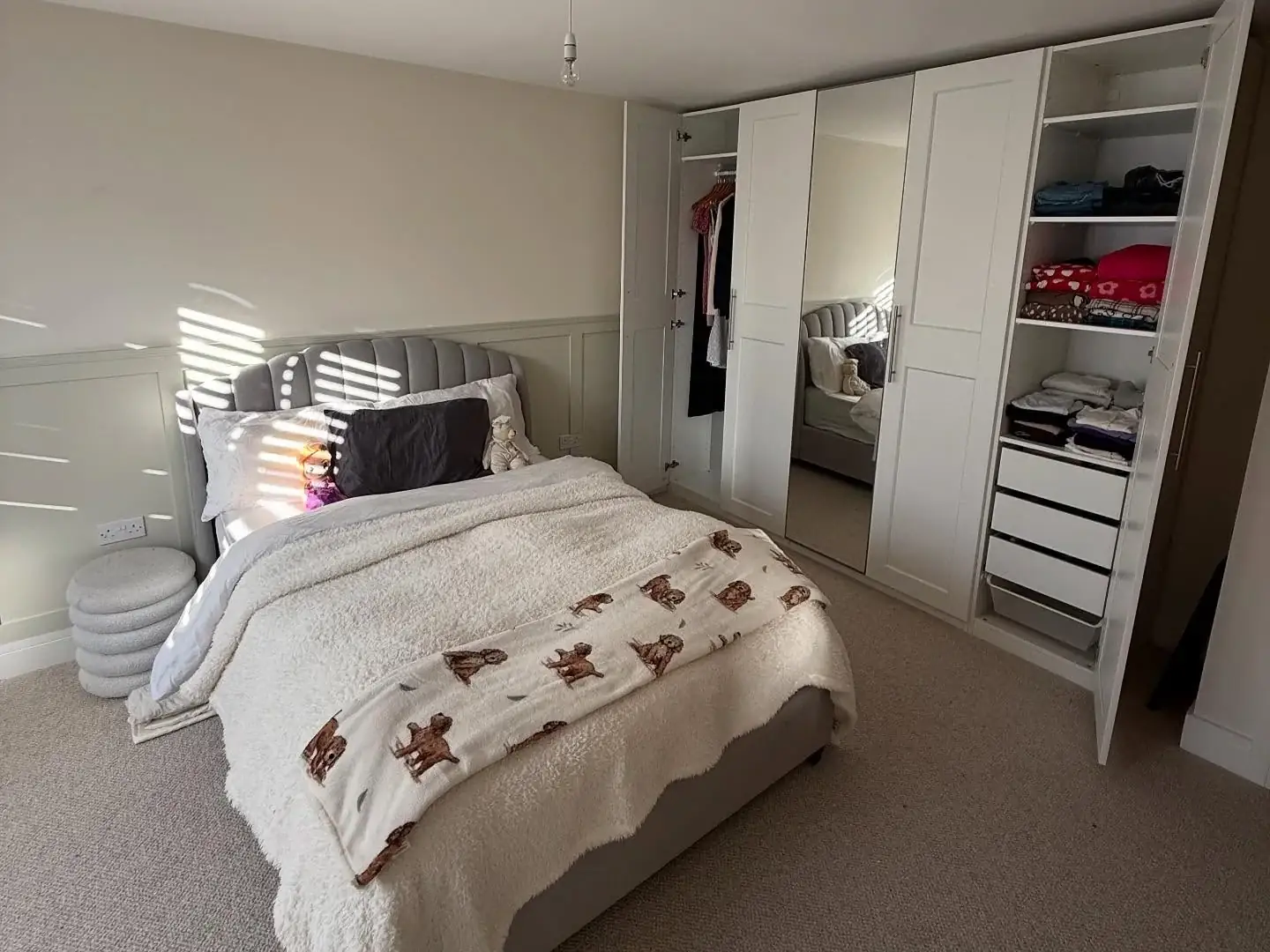
The decisions are the awkward part. Which shelf the glasses go on, which wardrobe belongs to whom, whether the towels live in the bathroom or the airing cupboard. With the client in the house you ask. With the client away you use the labelling from day one, you follow the logic of the rooms, and you accept that some of it will be moved later — which is fine, because moving a stack of plates between two cupboards takes a minute and unpacking forty cartons does not.
The Last Hour Is the One That Shows
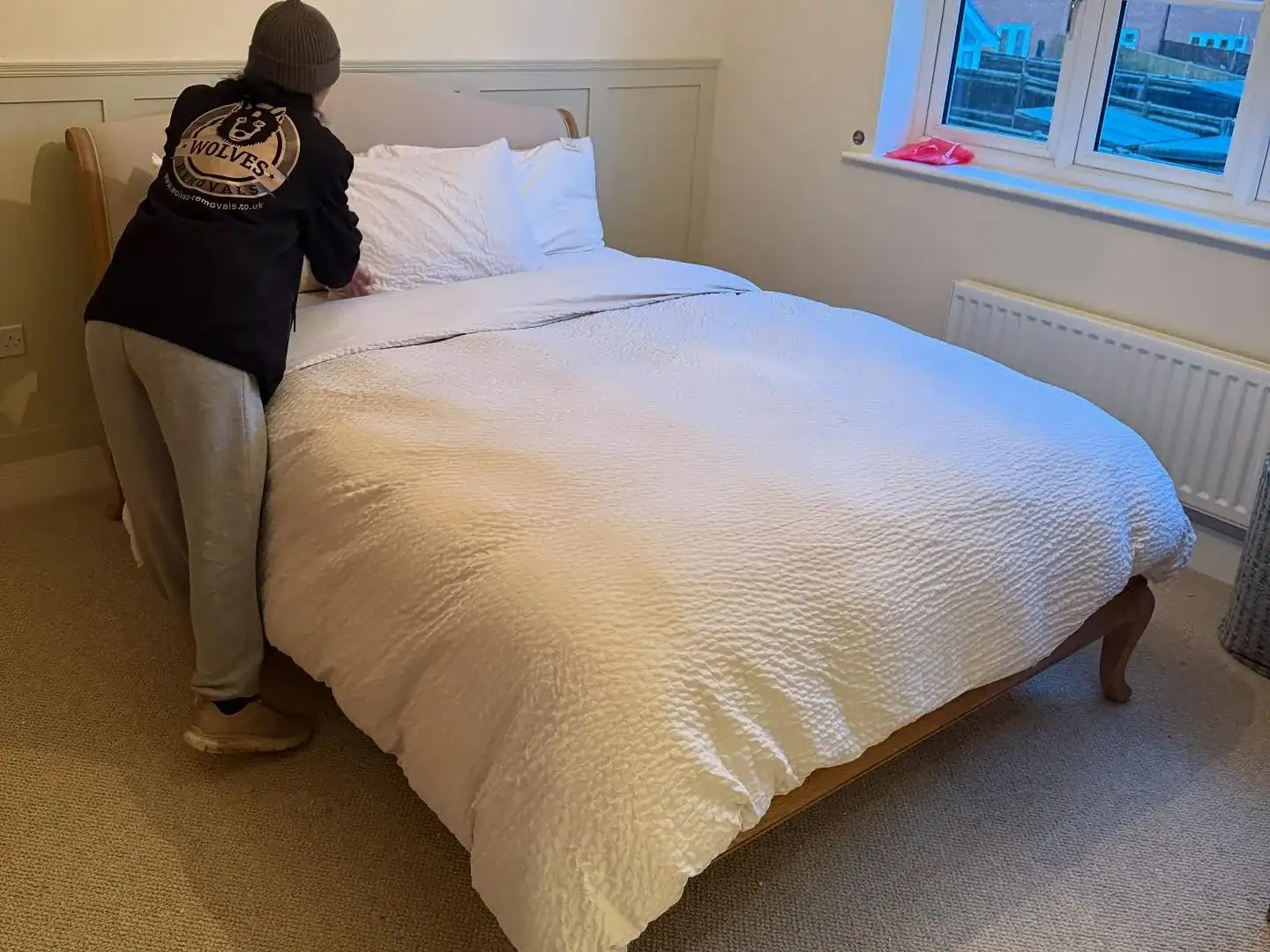
The beds get made last. It sounds like a flourish and it is the most practical thing on the list, because a made bed is the one thing a person arriving late and tired genuinely cannot do without, and the one thing they are least able to face doing themselves.
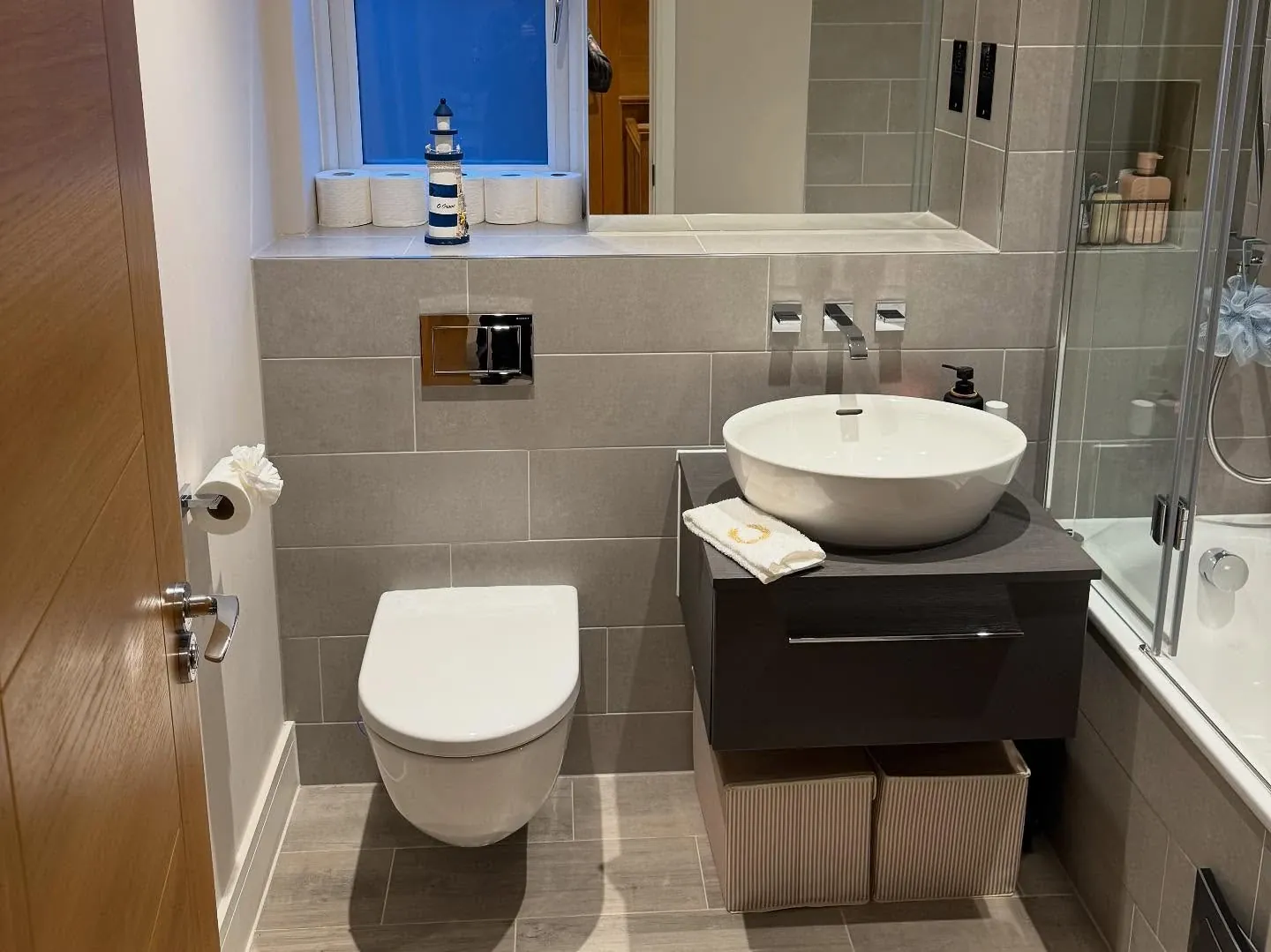
The bathroom is the same reasoning. Towels, soap, paper. These are the items that are always in the last box, always needed first, and always still sealed at eleven at night.
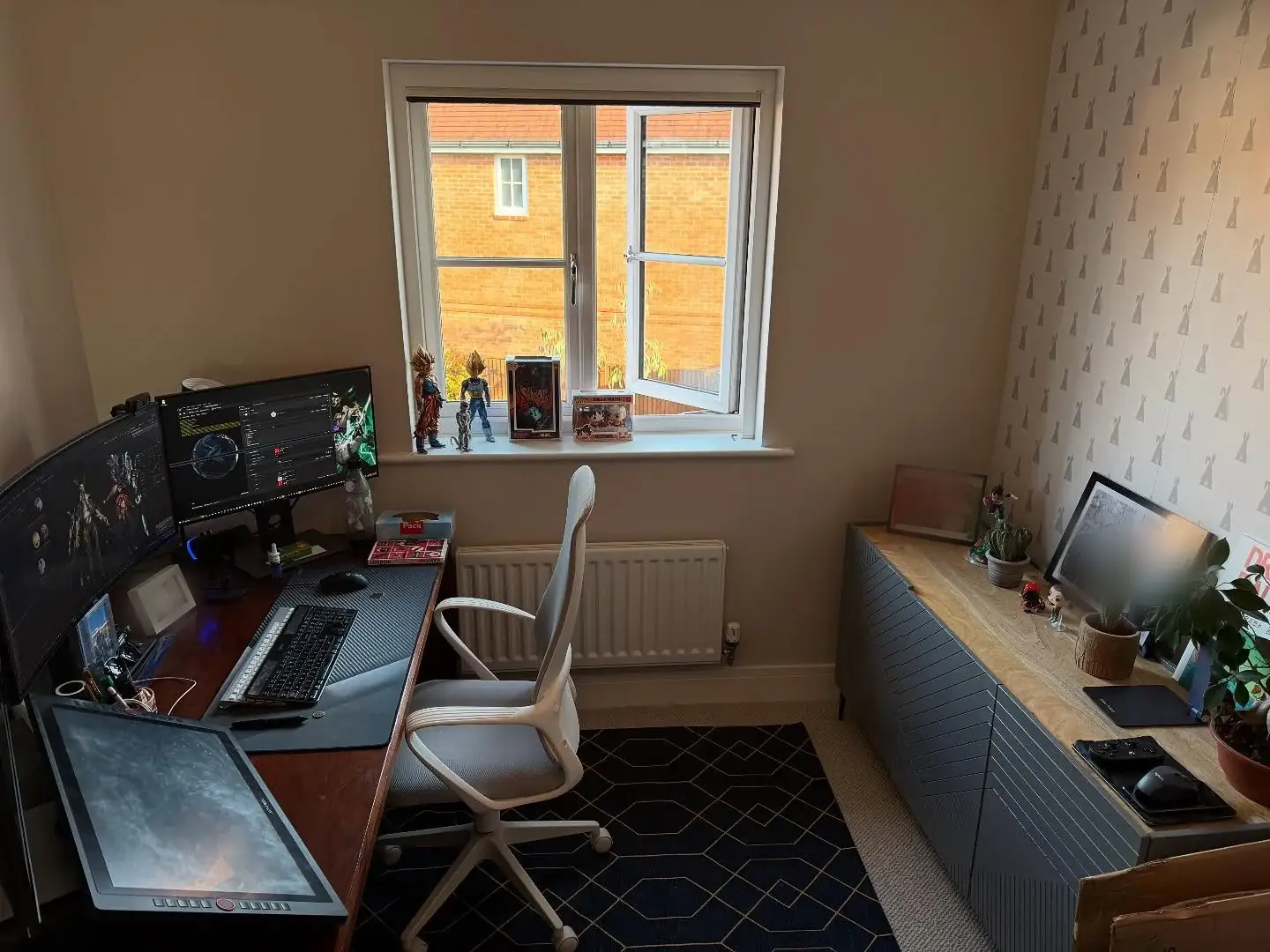
The office mattered more than usual here for an obvious reason: the client works, and works away. A desk in pieces is not an inconvenience for someone in that position, it is a day lost. It went back up as a working room rather than as furniture.
What This Service Is, and What It Is Not
We call this a turn-key move, which is builder’s language and not especially helpful — it means you turn the key and the house works.
In plainer terms: we pack it, move it, take in whatever else is being delivered, build what needs building, put it all away and take the packaging with us. Wolves Removals
It is not right for everybody, and it is worth being straight about that. Plenty of people want to unpack their own kitchen because they have views about the kitchen, and they should. The service earns its money in a narrow set of circumstances: when the client genuinely cannot be present, when the move has to be finished rather than merely done, or when there is new furniture arriving that somebody has to receive and build.
If you want only the second half of it, a full pack and unpack without the deliveries and assembly is a commoner and cheaper arrangement, and our unpacking service page sets out what that covers on its own.
Moving Within Horsham
A move from the villages into the town is one of the commonest jobs we do, and short moves get underestimated by almost everybody who books one. The mileage falls away and nothing else does: the same house gets packed, the same furniture comes apart, the same beds are rebuilt at the other end.
The compensation is flexibility. When the two addresses are minutes apart, a three-day shape like this one is straightforward to run, because the crew is not commuting between counties to finish a job. That is the practical reason a full-service move is often easier to arrange locally than at distance.
There is more detail on the town and the villages around it on our Horsham removals page, and the full packing service page covers the first day of what you have just read about.
The Wolves Removals Team
Family-run removals · Ashington, West Sussex
We have moved families and businesses across West and East Sussex, Surrey, Hampshire and Kent since 2016, from our Ashington base. We are fully insured, Checkatrade-verified and a LAPADA Approved Service Provider for antiques and fine art. More about us, or read our reviews.
They Never Saw a Box, Only the New Furniture — FAQs
Yes. A full unpacking service empties every carton, puts the contents away in the rooms they belong in, reassembles and makes the beds, and takes the packaging away afterwards, so nothing is left stacked in the hall. It is quoted separately from the move itself, because it is a different day’s work, and the price is based on the size of the house and how much has to be assembled rather than on the number of boxes. On a three-day move into Horsham, unpacking was the third day: boxes were emptied, wardrobes filled and folded, the kitchen loaded, and the beds made last because a made bed is the one thing an arriving client cannot easily do without. Decisions such as which cupboard the glasses go in follow the labelling done on packing day when the client cannot be there to ask.
Yes, on a full-service move, and that is exactly what happened on a three-day move into Horsham where the client was away on business the entire time. New furniture ordered from retailers arrived on its own delivery slots while the belongings were being brought in from the old address, so the crew took each delivery in, checked it, unboxed it, built it, and put it where it was going to live rather than leaving it stacked for later. Arranging this needs setting up in advance, so the crew know roughly what is coming, when, and which room each item belongs in. What cannot be guaranteed is a retailer’s own delivery slot, since that is set by the retailer and not by the removal company, so the more notice given of the dates, the better the day runs.
Aim for delivery after your move rather than during it, because you cannot take delivery at a house you do not yet have the keys to, and completion week is already full without a sofa and a wardrobe arriving through the same front door as all your own belongings. If the retailer’s slot cannot be moved and lands on the same day as your move, tell your remover the dates, because it changes the order the rooms are filled in. Assume the furniture arrives flat: most new pieces turn up in cartons, and the delivery crew’s job usually ends at the door, so assembly is somebody else’s problem on moving week. Build it in the room it will actually live in rather than downstairs, because a bed frame or a large wardrobe assembled in a hallway will not go up the stairs afterwards.
Yes, as part of a full-service move. On a three-day move into Horsham, this included taking in new furniture as it arrived from retailers, unboxing it, building it and putting it in its final room rather than leaving it stacked in the hall. The important rule is that anything with a footprint bigger than a doorway, such as a bed frame or a large wardrobe, gets assembled in the room it will stay in, because a piece built downstairs will not go up the stairs afterwards. On this job that meant an oak sleigh bed built in its own bedroom for exactly this reason. The same logic applied to the home office, which was rebuilt with its monitors, drawing tablet and sideboard back in place, because the client worked away and needed a usable room from day one rather than furniture still in pieces.
Yes, and village-to-town moves into Horsham are among the most frequent jobs run, quoted on volume, packing and access rather than mileage, so a three-mile move and a thirty-mile one can cost much the same if the houses are the same size. One example ran from just outside Horsham into Horsham itself: a full-service move using two Lutons and a crew van, spread over three days because the client was away on business throughout and the job also involved receiving and assembling new furniture. Short local moves like this are often easier to arrange than longer ones, because the crew is not commuting between counties to get the job finished, which leaves more flexibility to run the extra days a full pack, delivery and unpack job like this one needs.