Packing Hacks: Clever Tips for a Faster, Easier House Move
Twelve packing shortcuts, most of them free; the four that save the most time are moving less, an essentials box, colour and number labels on every box, and a photo of the cables before you unplug.

The quick answer
First: Move less, sort out at least two weeks before
Open first: An essentials box, it travels with you, not on the lorry
Labels: One colour per room, and a number on every box
Before you unplug: Take a photo, of the cables and the joints
This guide covers the shortcuts. For the full method (box sizes, taping and how heavy a box should be), see our guide to packing boxes for moving.
The 12 Packing Hacks at a Glance
The twelve packing hacks
- Sort out firstSell, give away or recycle before you pack a box.
- Set up a packing stationPaper, tape, a marker and boxes, all in one place.
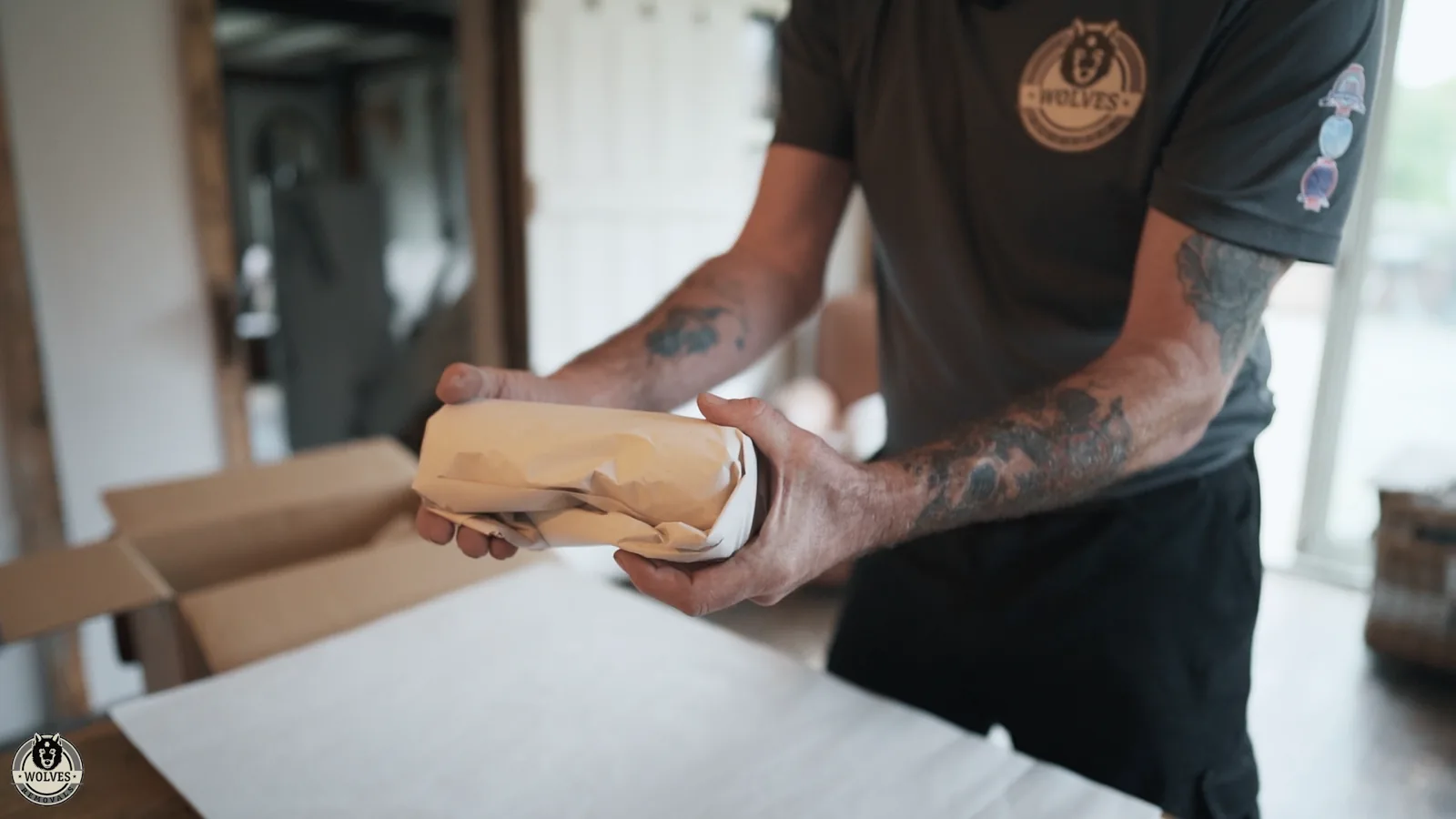
- Breakables firstStart with the ones you can do without, each in packing paper.
- An essentials boxPacked last, opened first, kept with you.
- A colour per roomMatching labels on the doors at the new house.
- Number every boxAnd keep a list, so you know they’ve all arrived.
- Photograph the cablesAnd the joints, before you take anything apart.
- Bag the fixingsLabelled and taped to the piece they came from.
- Soft things in big boxesBedding and pillows are light; books go in small boxes.
- Hanging clothes stay hungA wardrobe box has a rail, so they travel on their hangers.
- Plates on their edgeEach wrapped in packing paper and stood upright, never in a bare stack.
- Leave out the hazardsPaint, oil, aerosols, gas bottles and fuel; recycle damaged batteries.
Sorting out, timing, breakables first, room labels, which way up and not overpacking: Which? and its moving checklist. Most of the rest is from our own moves.
Short of time? Our fragile packing service packs just the breakables, and you pack the rest.
Start by Moving Less
Have a thorough sort out at least two weeks before the move, Which? advises, so you aren’t paying to move things you’ll throw away at the other end. Everything you sell, give away or recycle is a box you don’t buy, pack, carry or unpack.
-
Give it away: West Sussex County Council’s reuse shops at the Billingshurst and Worthing recycling centres take items in good working order, from books and crockery to toys.
-
Too big for the car: your district or borough council runs a bulky waste collection for larger items, and you can also donate, sell or give them away locally.
-
Keep it, but not yet: anything you want but have no room for can go into storage at Ashington while you settle in.
Moving in less than a week? See our guide to moving house at the last minute.
Set Up a Packing Station and Start With Breakables
Clear one table, lay out packing paper, tape, a thick marker and a stack of small and large boxes, and pack there. Everything is to hand, and you aren’t hunting for the tape in every room.
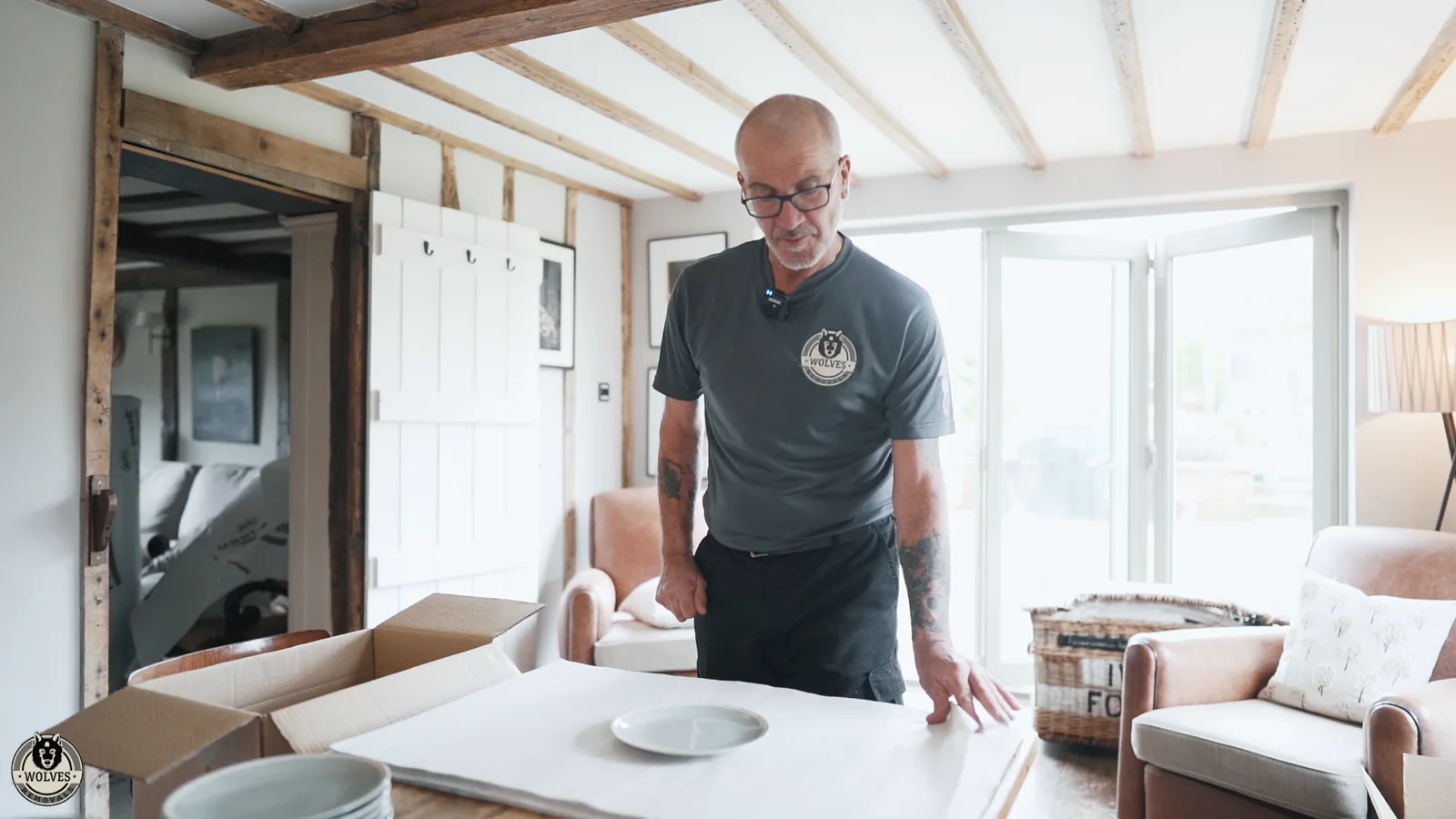
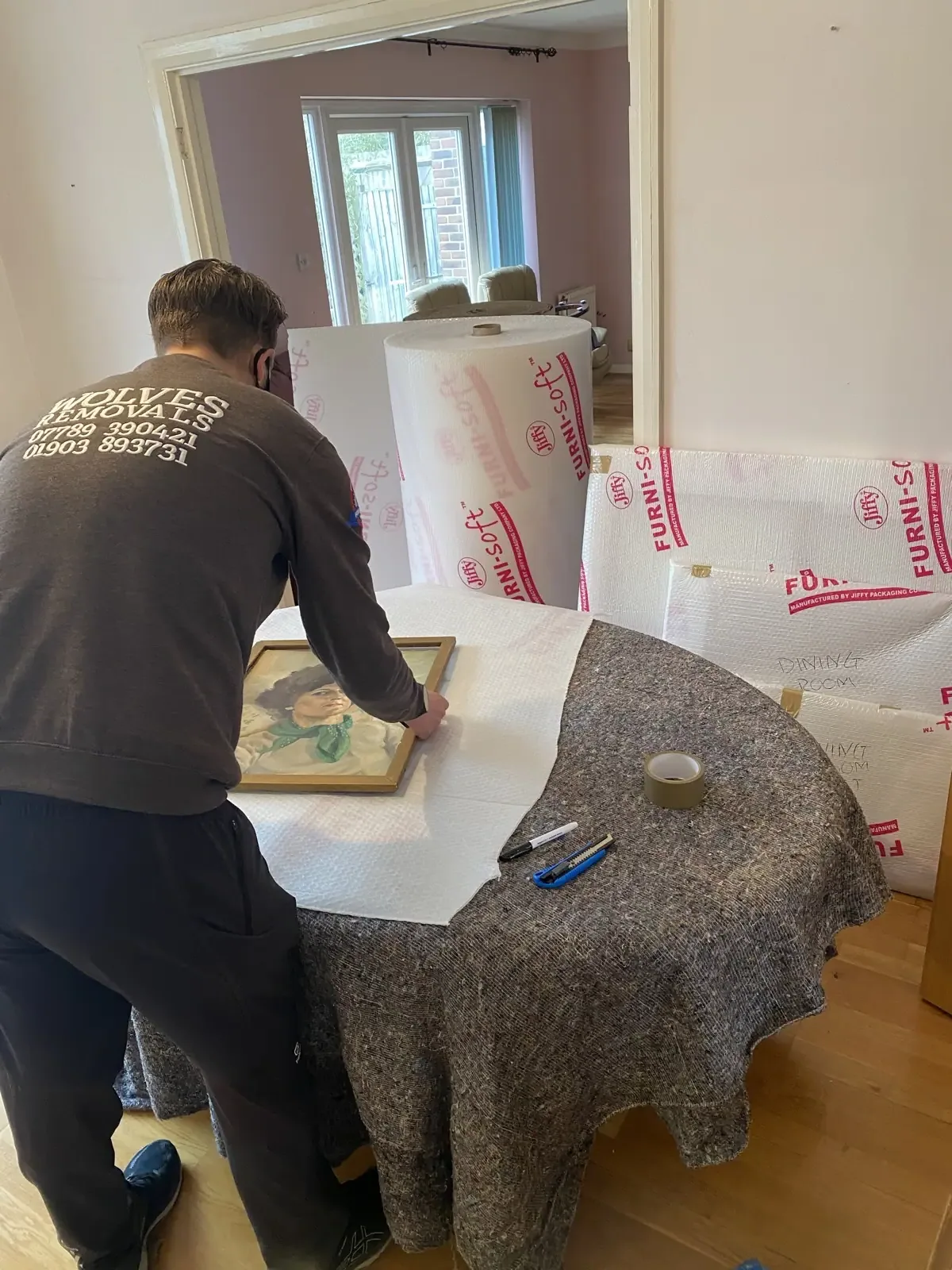
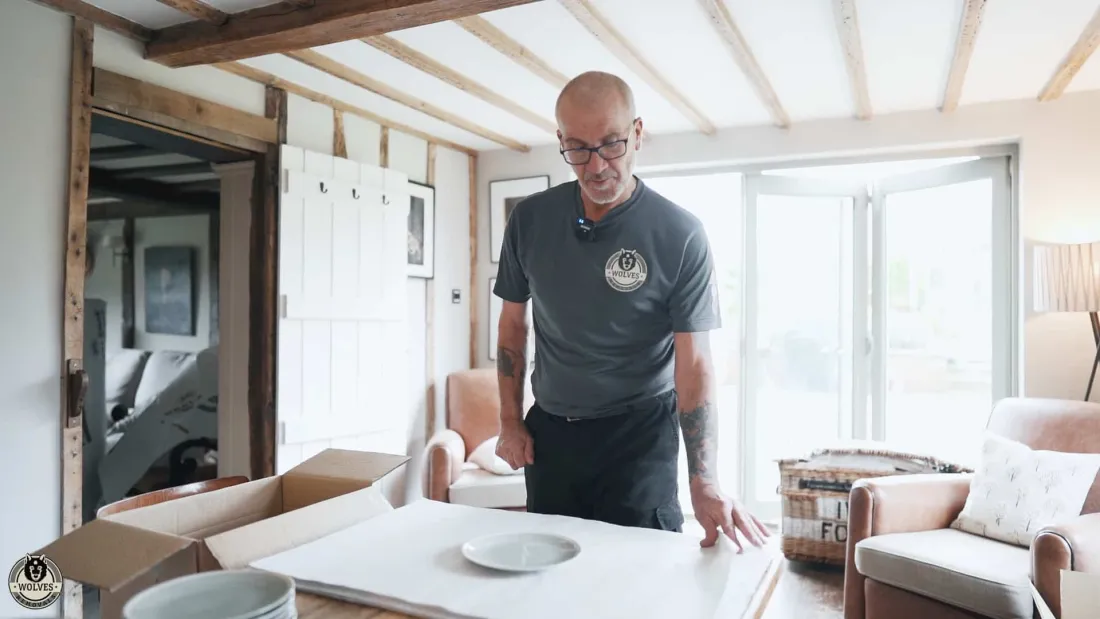
Pack the breakables first. Start with the ones you can do without: ornaments, pictures, the best china. Our guide to packing glasses and plates shows how, in packing paper.
Then work one room at a time, starting with the rooms you use least, and finish each one before you start the next.
Pack an Essentials Box to Open First
Pack one box with the things you’ll want on the first night, mark it OPEN FIRST, and keep it with you in the car rather than on the lorry.
The essentials box
-
The kettle.
-
A few mugs.
-
Phone chargers.
-
Medication.
-
Toiletries.
-
A change of clothes.
Source: our guide to packing boxes for moving.
Keep documents, keys, jewellery and anything irreplaceable with you too. Which? suggests taking expensive or sentimental things in your own car.
Label Every Box by Colour and Number
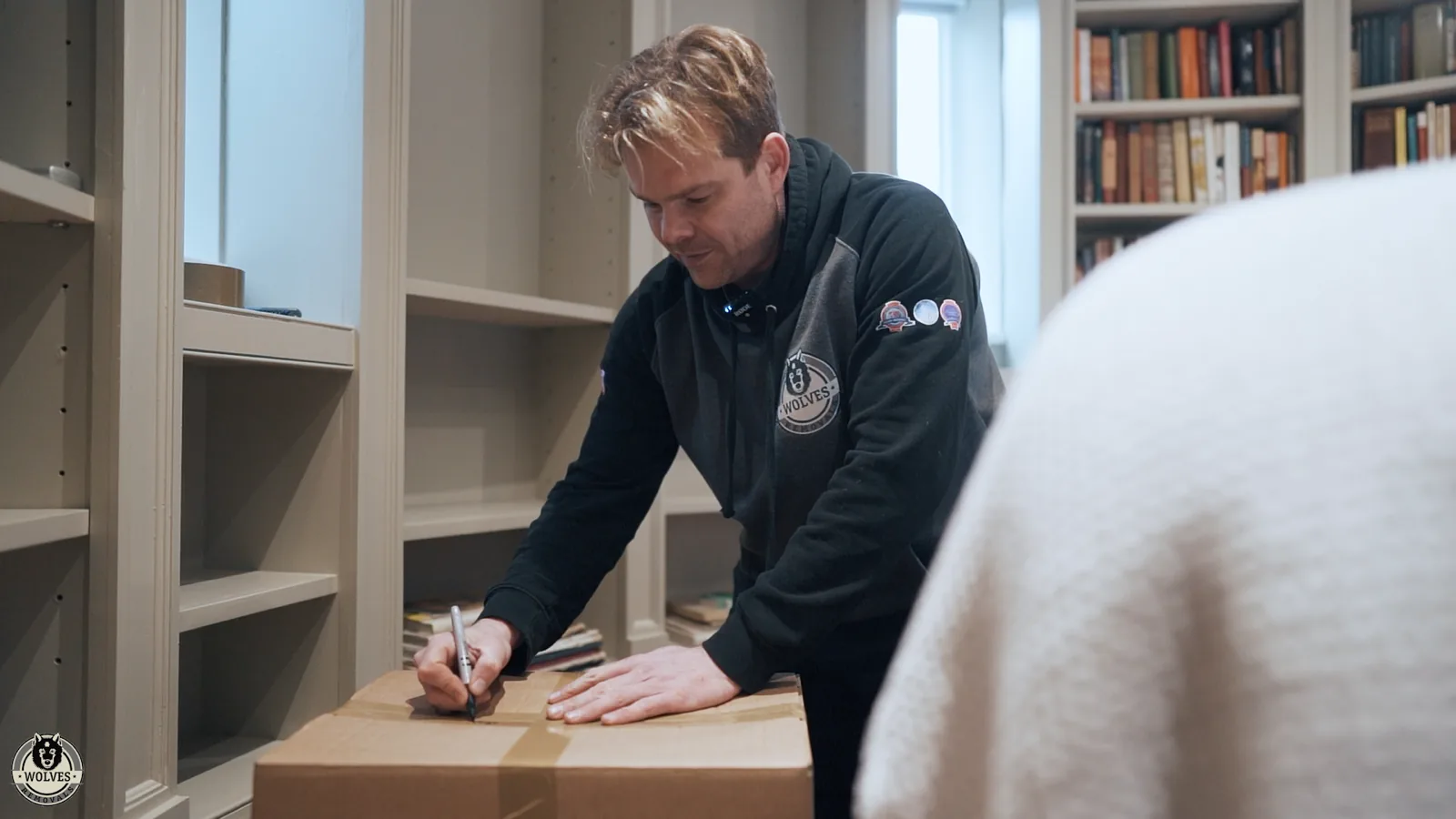
Write the room and the contents on the side of every box, not just the top, so you can read it when boxes are stacked. Two shortcuts make unloading faster: a colour for each room and a number on every box.
Colour-coded labels, room by room
-
A strip of coloured tape on the side of each box, one colour per room.
-
A label in the same colour on that room’s door at the new house, so every box goes straight to its room.
-
A number on every box, matched to a list, so you can check they’ve all arrived.
Room labels: Which?; the colours and numbers are our own tip.
Photograph and Bag Before You Take Anything Apart
Before you take anything apart, photograph the cables and the joints, and put the screws from each piece in its own labelled bag.
Cables, joints and fixings
-
Before you unplug the television or the computer, look at how the cables connect.
-
Take a photo of them on your phone; do the same for the joints of a bed or a table.
-
Put the screws and bolts from each piece in their own small bag.
-
Label the bag and tape it to the largest part of the piece it came from.
Joints and fixings: our guides to moving a mattress and bed and moving a wardrobe. The cables photo is our own tip.
It’s what our crews do too: when we take furniture apart on a move, the fixings are bagged, labelled and kept with the piece they came off.
Soft Things, Hanging Clothes and Heavy Things
Put light, bulky things in large boxes and heavy things in small ones, so every box can be lifted safely.
-
Soft things in large boxes: duvets, pillows and bedding are light and bulky, so they go in the large and extra-large boxes. Don’t use them to wrap breakables: glass and china go in packing paper.
-
Heavy things in small boxes: books and tins in a large box make it too heavy to lift safely. Don’t overpack; spread heavy items across boxes.
-
Reuse boxes, but not for china: a used double-walled box in good condition does for bedding and garage tools. We keep fresh boxes for china, because a box that has done one move is weakest at the corners.
-
Hanging clothes: a wardrobe box has a rail, so clothes go straight from the wardrobe onto it, still on their hangers. Our box shop sells them, and our guide to moving a wardrobe covers the furniture itself.
-
No wardrobe box? Pull a bin bag up over a bundle of hangers from the bottom and tie it round the hooks: the clothes stay clean and go straight back on the rail.
-
Arrows on the sides: mark which way up on every box; arrows on the sides show it however the box is stacked.
Kitchen and Bathroom Shortcuts
Leave the kitchen and bathroom until the last days, because you’ll use them until then, and pack them with these shortcuts.
-
Plates on their edge: each wrapped in packing paper and stood upright in a small box, never in a bare stack.
-
The freezer: eat it down in the last week, then, the day before, switch it off, empty it and defrost it if it isn’t frost-free. Our guide to moving a fridge covers the rest.
-
Toiletries: unscrew each lid, lay a square of cling film over the neck and screw the lid back on, then keep the bottles upright in a lined box or a plastic crate. The ones you use daily go in the essentials box.
-
One popular hack we’d skip: wrapping glasses and plates in towels or jumpers. We use packing paper.
Plates and the freezer: our guides to packing glasses and plates, and moving a fridge. The toiletries tip is our own.
What to Leave Out of the Boxes
Wolves Removals can’t transport paint, aerosols, gas bottles or fuel, and we ask that no oil goes on the lorry either: one leaking tin can spoil a whole box of clothes or books. Use things up, give them away, or take them to a recycling centre.
Don’t pack these
- Paint and oilPaint can’t go in your home bins either. Take it to a recycling centre; all but the mobile sites offer paint reuse for tins in good condition.
- AerosolsUse them up before the move; empty cans go in your recycling bin. Never squash or pierce them.
- Gas bottlesNever in a home bin: West Sussex County Council calls them explosive. A recycling centre returns them to the supplier, or take one back to where you bought it.
- Petrol and other fuelA petrol mower or anything else with a fuel tank usually needs draining first; tell us at the quote and we’ll say what to do with each one.
- Damaged lithium batteriesIf a phone, laptop, e-bike or scooter battery could be damaged, stop using it and take it to a recycling centre, never a home bin.
Sources: West Sussex County Council on paint, aerosols and gas bottles; our FAQs on fuel; West Sussex Fire & Rescue on batteries.
When You’d Rather Not Pack It All Yourself
You can pack the easy boxes yourself and leave the rest to us. When we pack for you, we usually come one or two days before moving day, so the house stays usable until the last moment.
-
Our full packing service packs the whole house, room by room.
-
Our non-fragile packing service packs the everyday things: books, clothes, linen, the garage and the loft.
-
Our fragile packing service is the middle way: just the breakables.
-
Boxes, tape and packing paper are all in our box shop, and once you’ve unpacked we’ll pick up the flattened boxes when a van is next nearby.
We’re fully insured, and a LAPADA Approved Service Provider for antiques and fine art.
Moving soon?
Book a free survey and you’ll have a fixed, itemised quote, with or without packing.
Jack Wolfe
Director, Wolves Removals · Ashington, West Sussex
Jack runs Wolves Removals, which has moved families and businesses across West and East Sussex, Surrey, Hampshire and Kent since 2016 from its Ashington base. The firm is fully insured, Checkatrade-verified and a LAPADA Approved Service Provider for antiques and fine art. More about us, or read our reviews.
Frequently Asked Questions
Move less. Sort out at least two weeks before the move, so there’s less to pack, carry and unpack. After that, an essentials box, colour-coded labels and a photo of the cables before you unplug save the most time.
Move less first: everything you sell, give away or recycle is a box you don’t need to buy. Match the box to the load, so duvets and pillows fill the large boxes and books go in small ones, and second-hand boxes that are still sound are fine for bedding and the garage, just not for china. If you buy boxes from our box shop, we collect the flattened empties next time a van is in your area.
Write the room and the contents on the side of each box, not just the top, so you can read it when boxes are stacked. Add a strip of coloured tape for each room, put a matching label on that room’s door at the new house, and number every box against a list.
Wolves Removals can’t transport paint, aerosols, gas bottles or fuel, and we ask that no oil goes on the lorry either. A petrol mower or anything with a fuel tank usually needs draining first; tell us at the quote and we’ll say what to do with each one. Paint and gas bottles must never go in your home bins: take them to a recycling centre.
After a sort-out, the breakables you can do without, such as ornaments, pictures and the best china, each wrapped in packing paper. Then the rooms you use least, such as spare rooms and the loft. The kitchen, the bathroom and the essentials box go last.