What 'White Glove' Actually Includes on a House Move
White glove is one of the vaguest phrases in removals, and it is not a grade of care.

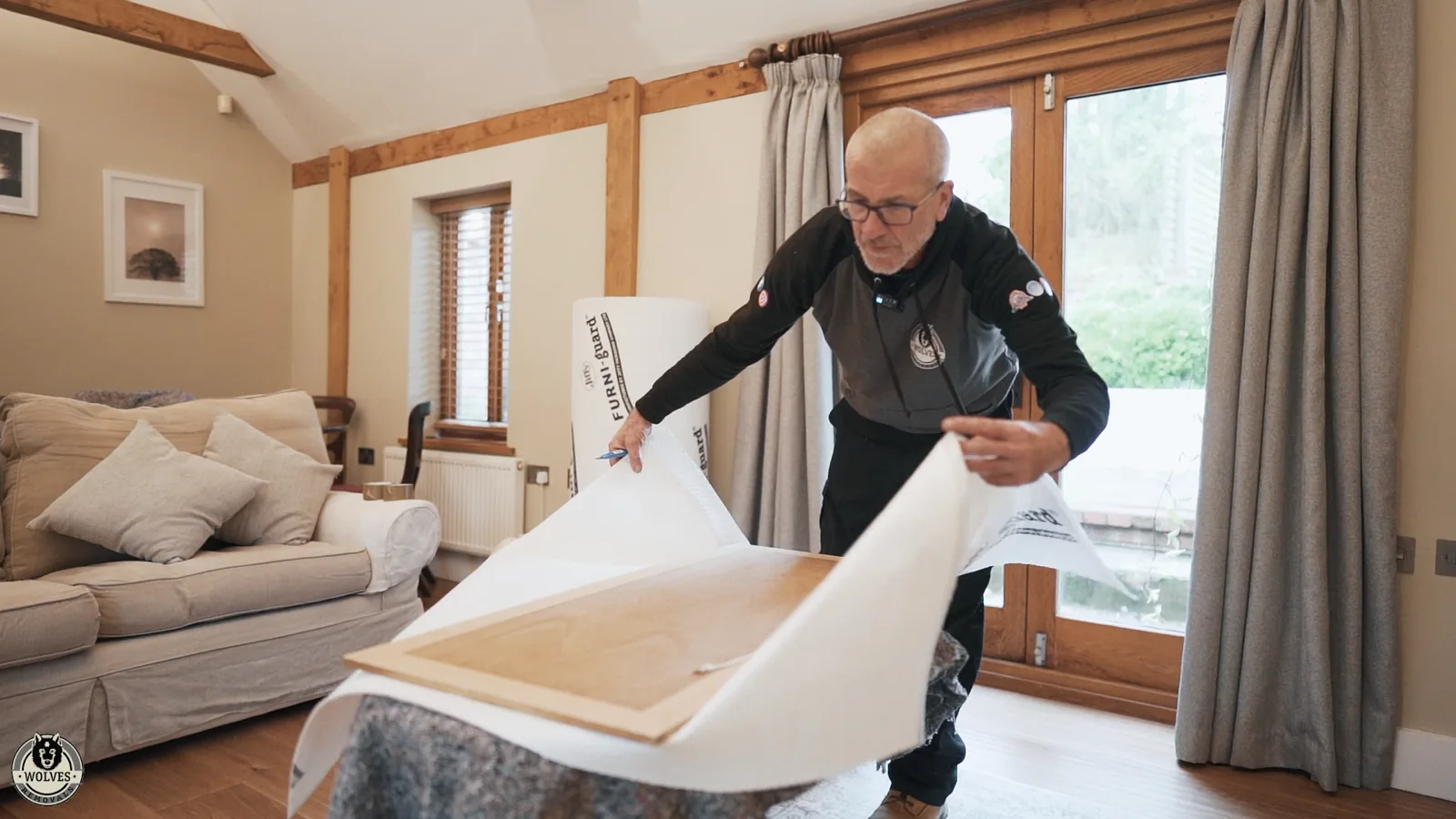
Every professional move should be careful. What a white glove service actually changes is where the job stops: not boxes in the right rooms, but a house you can live in that evening. Here is what is included, who genuinely benefits, and what it does not mean.
White glove is not a grade of care, it is a scope of work. An ordinary move ends when the boxes are in the right rooms. A white glove move ends when the house is usable: unpacked, assembled, positioned and the packing taken away.
It is worth paying for when your time is the scarce thing, when the contents need specialist handling anyway, or when someone cannot do the unpacking themselves.
What White Glove Actually Means
The phrase gets used loosely enough to be almost meaningless, so it is worth being concrete. A white glove service is defined by where the job stops, not by how carefully the crew work. Every professional move should be careful. What changes is scope.
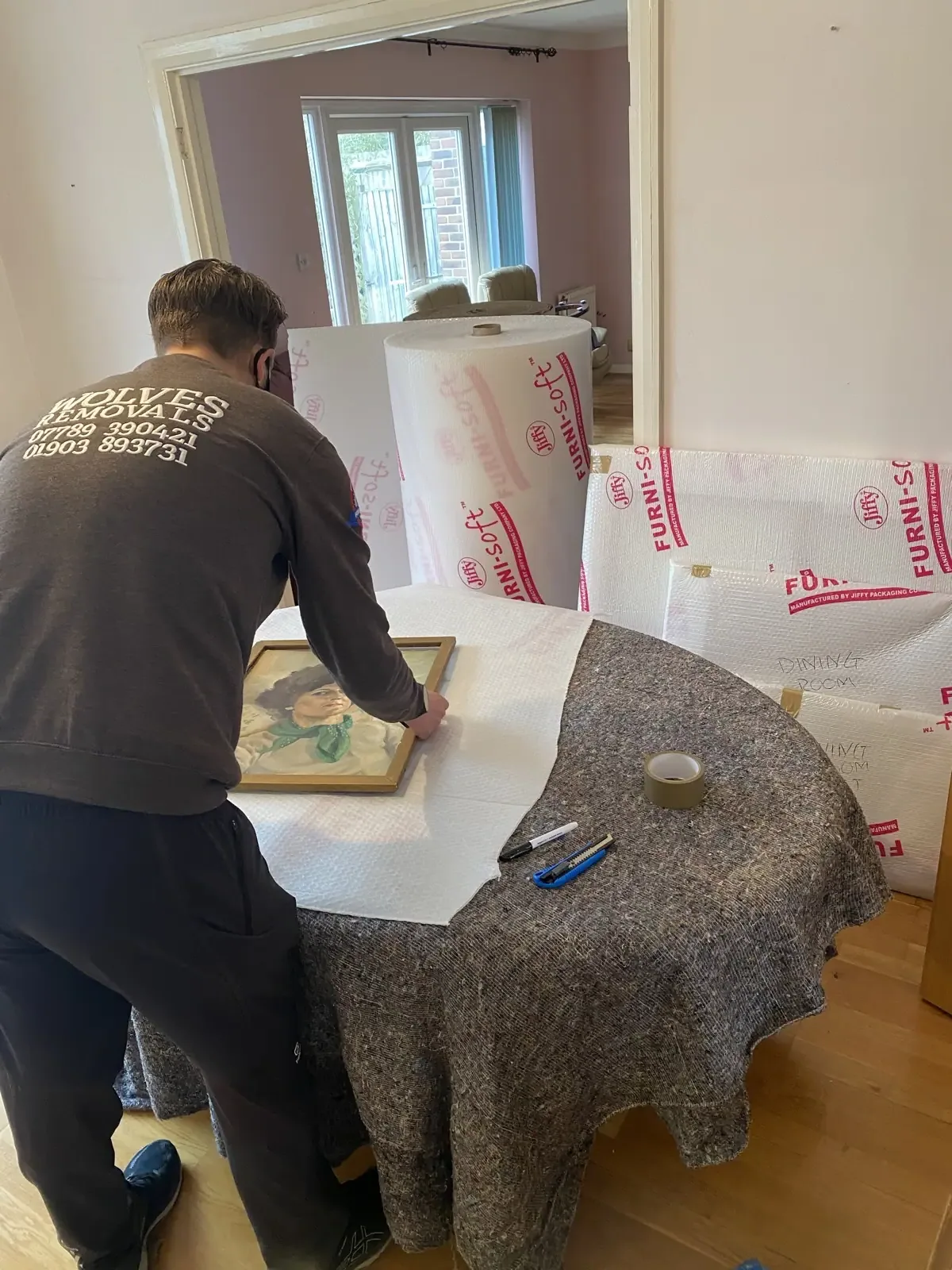
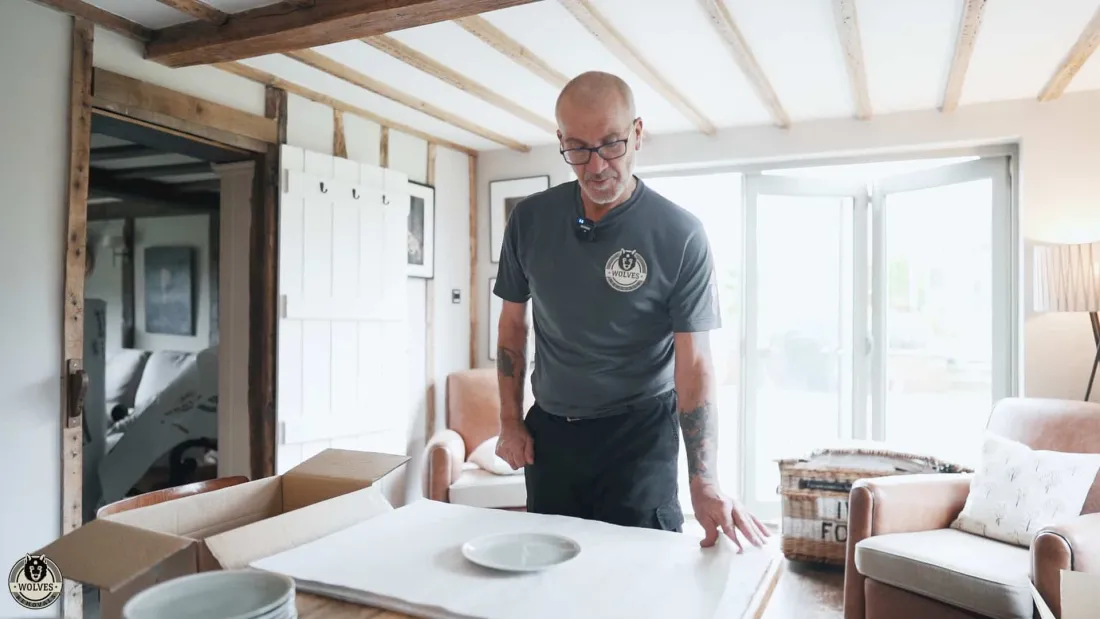
On a standard move, the team packs what you have asked them to pack, loads, drives, and puts boxes in the rooms you point at. The unpacking is yours. On a white glove move, the crew unpack, assemble the furniture, place it where you want it, take away every box and sheet of paper, and leave a house you can live in that evening.
| Standard move | Full packing | White glove | |
|---|---|---|---|
| Packing | You pack, crew load | Crew pack everything | Crew pack everything |
| Furniture | Dismantled and rebuilt | Dismantled and rebuilt | Dismantled, rebuilt and positioned |
| At the new house | Boxes into rooms | Boxes into rooms | Unpacked and put away |
| Packing waste | You dispose of it | You dispose of it | Removed by the crew |
| Your time on the day | High | Moderate | Very low |

Who It Is Actually For
White glove moving services get marketed as a luxury, which is misleading. In practice the people who benefit most fall into a few clear groups.
People whose time costs more than the service. If taking a week off to unpack is not realistic, the arithmetic usually favours paying someone.
Anyone who physically cannot do it. Older clients downsizing, people moving after an illness or bereavement, or anyone moving alone into a house with stairs.
Houses whose contents need specialist handling anyway. If a home is full of antiques, art or glass, the packing is already being done by the crew, so extending to unpacking and placement is a small step rather than a leap.
What Good Looks Like on the Day
The difference shows in preparation rather than in the van. A white glove move is surveyed properly, so the crew arrive knowing which pieces need protecting, where the awkward access is, and what goes where at the far end. Floors and door frames are protected before anything is carried. There is one person accountable for the job rather than a crew who each know their own part.
At the new house the order matters: large furniture positioned first, then rooms unpacked in the order you will need them, kitchen and beds before studies and lofts. The packing materials leave with the van the same day rather than sitting in the hallway for a fortnight.
The Questions Worth Asking Before You Buy It
Because the phrase is not standardised, two firms quoting for the same job may be quoting for very different work. Ask what happens to the packing materials, whether furniture is positioned or simply placed in the room, whether pictures and mirrors are rehung, and who is accountable on the day if something is not where you wanted it.
Ask also what is excluded. Lofts, garages and outbuildings are commonly outside the scope unless named, and so are appliances that need disconnecting or reconnecting by a qualified trade.
What You Still Have to Do
Even on the fullest service some things stay with you, and knowing which stops the day feeling chaotic. Personal documents, jewellery, medication and anything you would not hand to a stranger travel in your own car. So does anything you will need before the unpacking finishes: chargers, a change of clothes, keys and the paperwork for the new house.
You also make the decisions the crew cannot. A team can unpack a kitchen quickly and sensibly, but only you know which cupboard you want the plates in. The households that get the most from this spend an hour beforehand deciding roughly where things go, then let the crew work. The ones who find it frustrating are usually making every decision on the spot while four people wait.
Anything needing a qualified trade also sits outside the scope. Disconnecting a gas hob, plumbing in a washing machine, or taking down a wall-mounted television and making good afterwards are separate jobs and want booking separately.
What It Does Not Mean
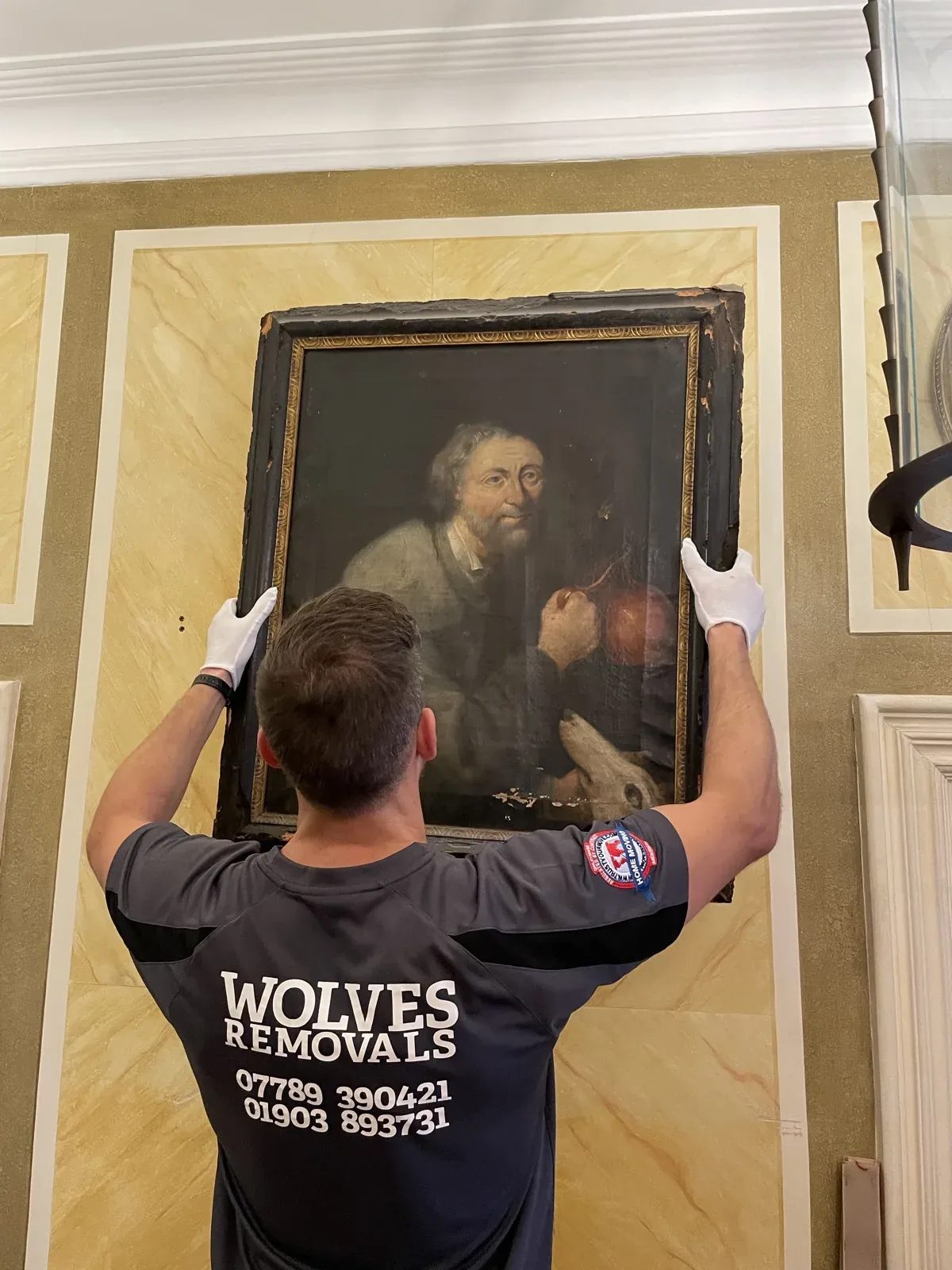
It does not mean your things are handled more carefully than they would be otherwise, because they should be handled properly regardless. It does not mean a different insurance position. We are fully insured, with goods-in-transit and public liability cover in place, and optional full damage insurance is available for an extra 10% of your invoice total. And it does not mean the move is faster; a full unpack usually takes longer on the day, not less.
Nor is it all or nothing. Most people who ask about white glove removals end up with something in between: a full pack and unpack of the kitchen and bedrooms, with the garage and loft left boxed. That is usually the sensible answer.
How It Fits With Everything Else
Our white glove service is the fullest end of what we do, and it is built from the same parts as the rest: full packing, fragile packing where it is needed, and unpacking at the far end. Where a house holds antiques or fine art, it runs alongside our specialised antiques moving work rather than separately from it.
If you are weighing it up, the question is not whether your possessions deserve it. It is whether the days after the move are worth more to you than the difference in cost.
The Wolves Removals Team
Family-run removals · Ashington, West Sussex
We have moved families and businesses across West and East Sussex, Surrey, Hampshire and Kent since 2016, from our Ashington base. We are fully insured, Checkatrade-verified and a LAPADA Approved Service Provider for antiques and fine art. More about us, or read our reviews.
What 'White Glove' Actually Includes on a House Move — FAQs
A move where the crew take the job through to a finished house rather than stopping at boxes in rooms. That means packing everything, dismantling and rebuilding furniture, positioning it where you want it, unpacking, and taking all the packing materials away the same day.
No. Careful handling should be standard on any professional move. What white glove changes is the scope of work, not the standard of care. The difference is where the job stops, not how the crew behave while doing it.
People who cannot spare the days it takes to unpack, anyone who physically cannot do it, and households whose contents need specialist packing anyway. In that last case the crew are already handling everything, so extending to unpacking and placement is a small step.
Yes, and most people do. A common arrangement is a full pack and unpack of the kitchen, bedrooms and living rooms, with the garage, loft and studio left boxed for you to work through. It is worth deciding this at the survey so the day is planned around it.
On the day, usually yes. Unpacking and placing everything takes time that a standard move simply does not spend. What it saves is the week afterwards, which is the part most people underestimate.
Yes, that is part of it. Boxes, paper and protective materials leave with the van rather than being stacked in your hallway. It is one of the more practical differences between white glove moving services and a standard move.