Hundreds of Antiques into a House Facing the Sea
A dealer can price a chip to the pound, which makes them the hardest client in the world to move and the best possible reference if it goes well.

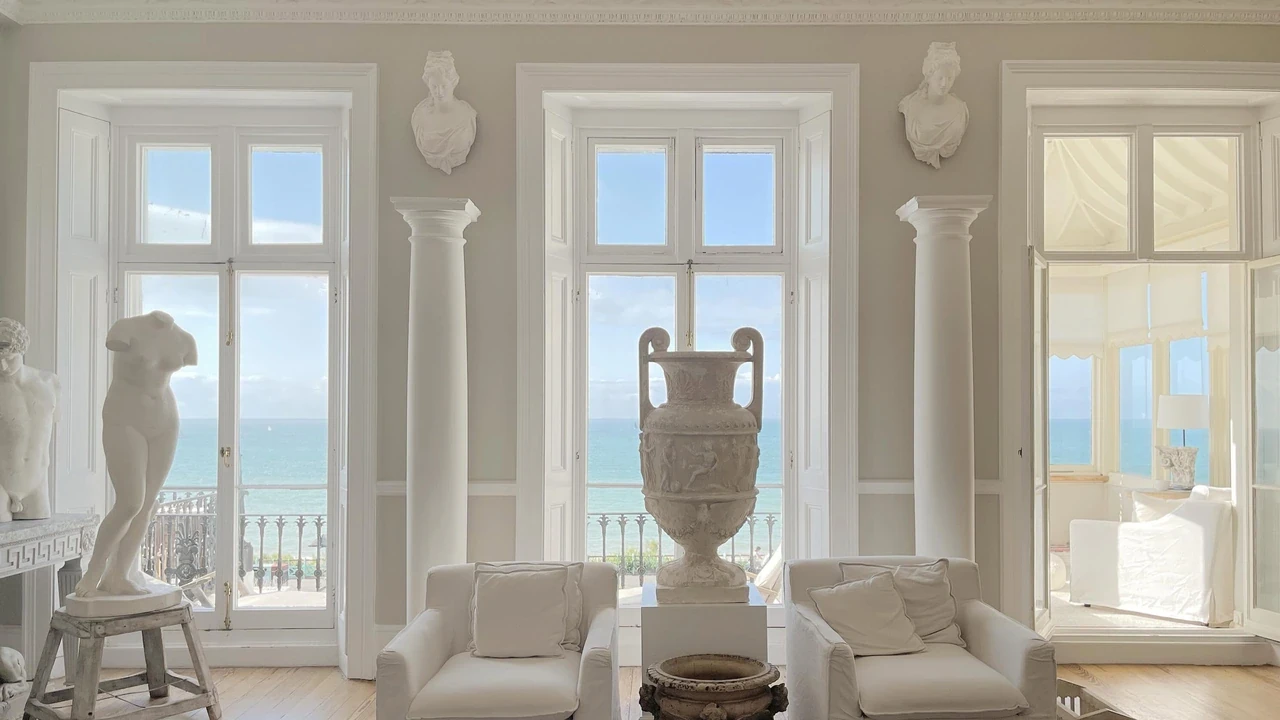
Wolves Removals moved a lifetime of classical sculpture into a period house on the Brighton seafront.
The Hardest Person to Move Is Someone Who Knows What It Is Worth
Most clients hope nothing gets damaged. A dealer knows precisely what a chip costs, because pricing damage is their job. They can look at a hairline crack in a plaster cast and tell you what it has taken off the value, to the pound. There is no hiding a mistake from a customer like that, and there is no reassuring them with a tone of voice either.
So when a well-known dealer and collector asked us to move their entire stock and collection into new premises on the Brighton seafront, that was the standard: not “nothing obvious went wrong”, but nothing at all.
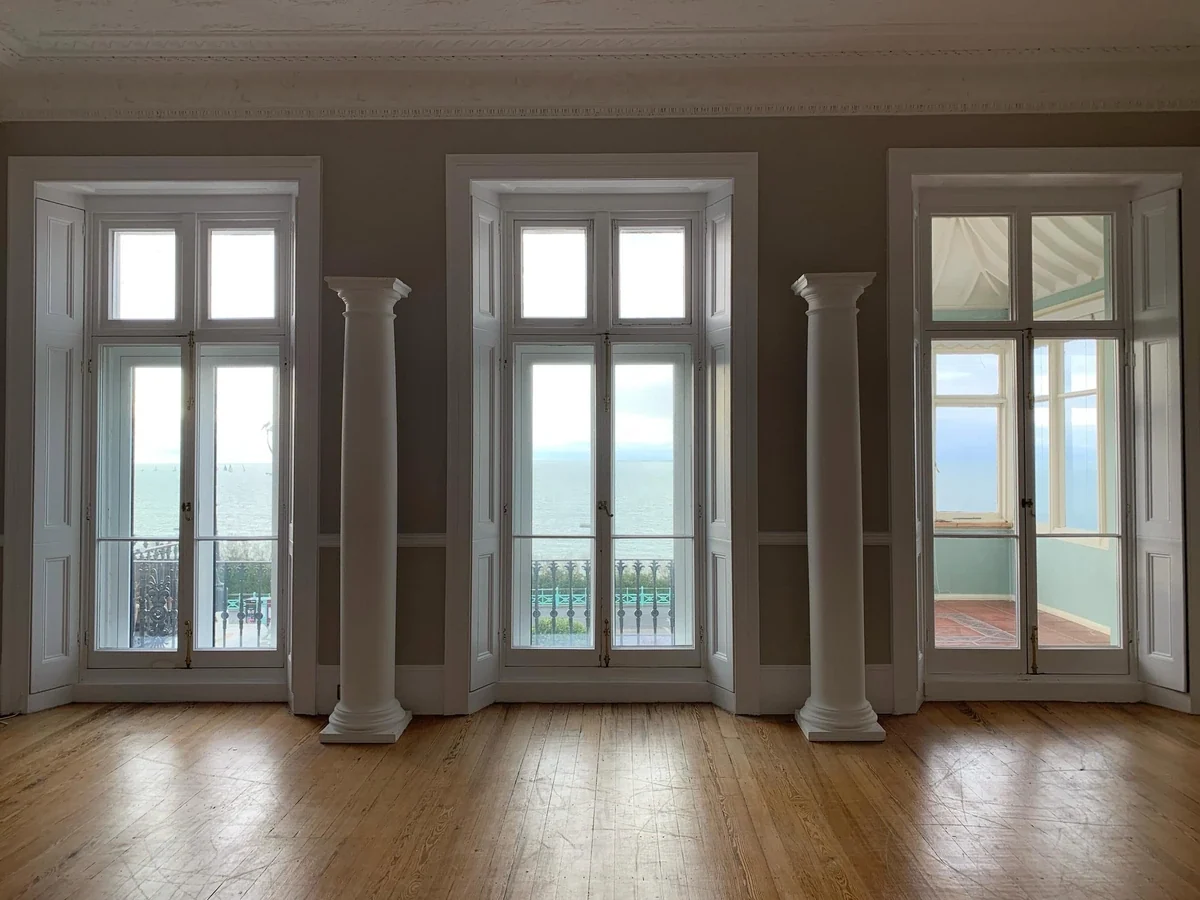
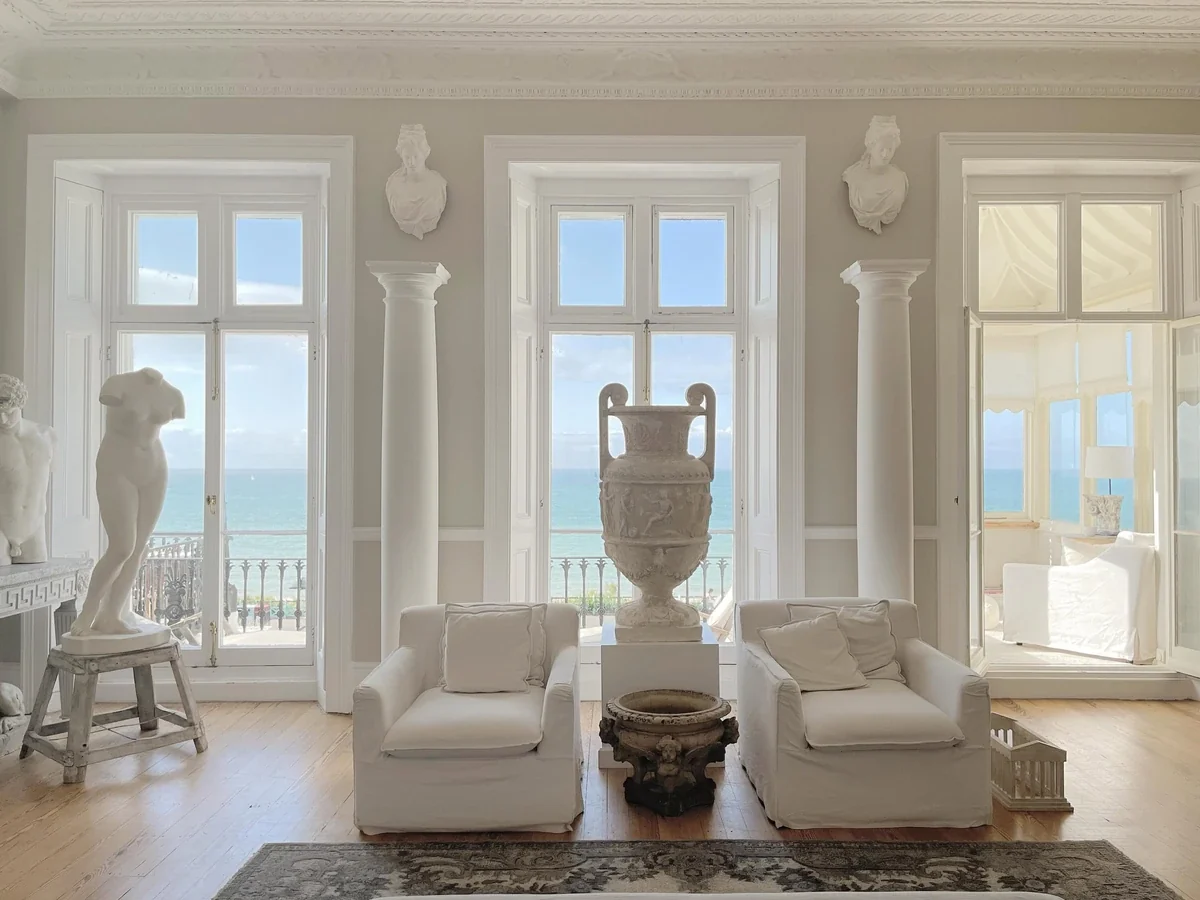
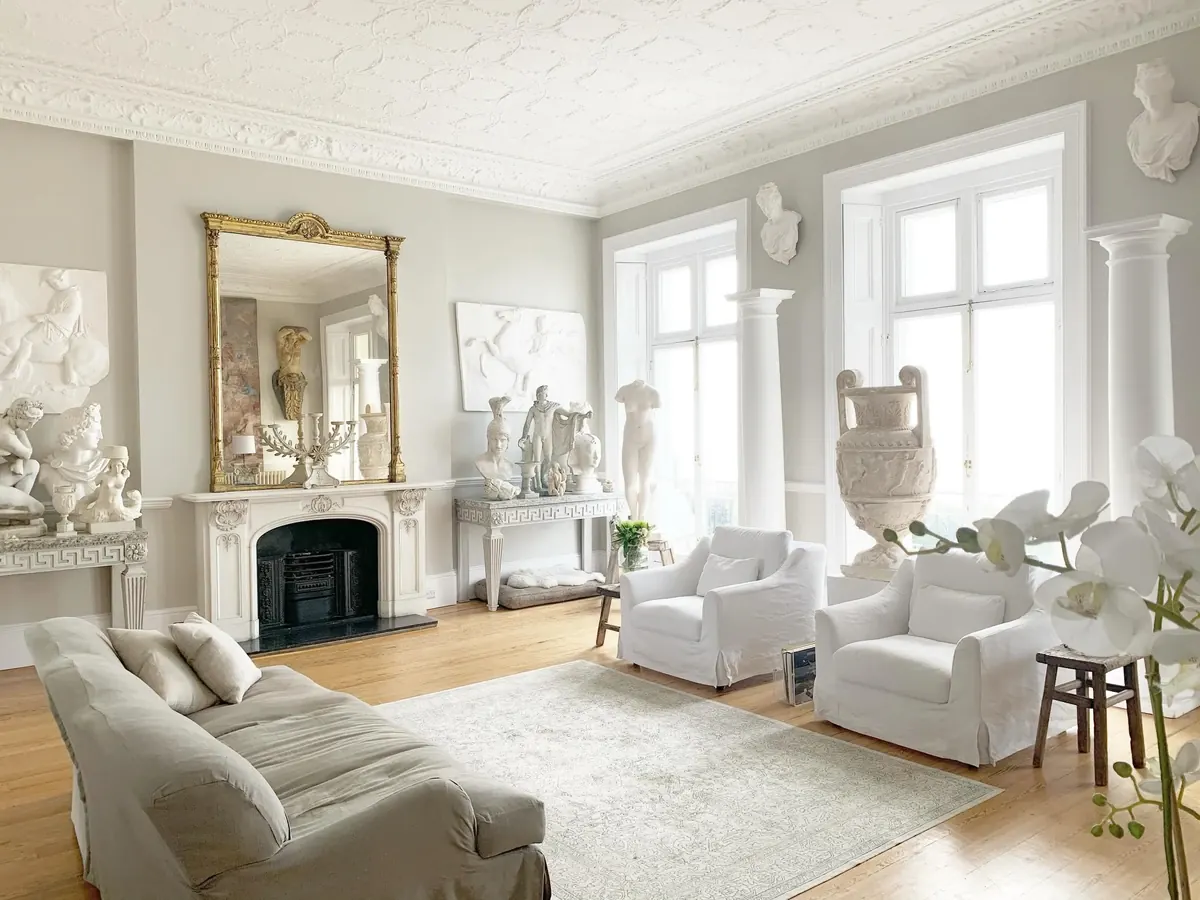
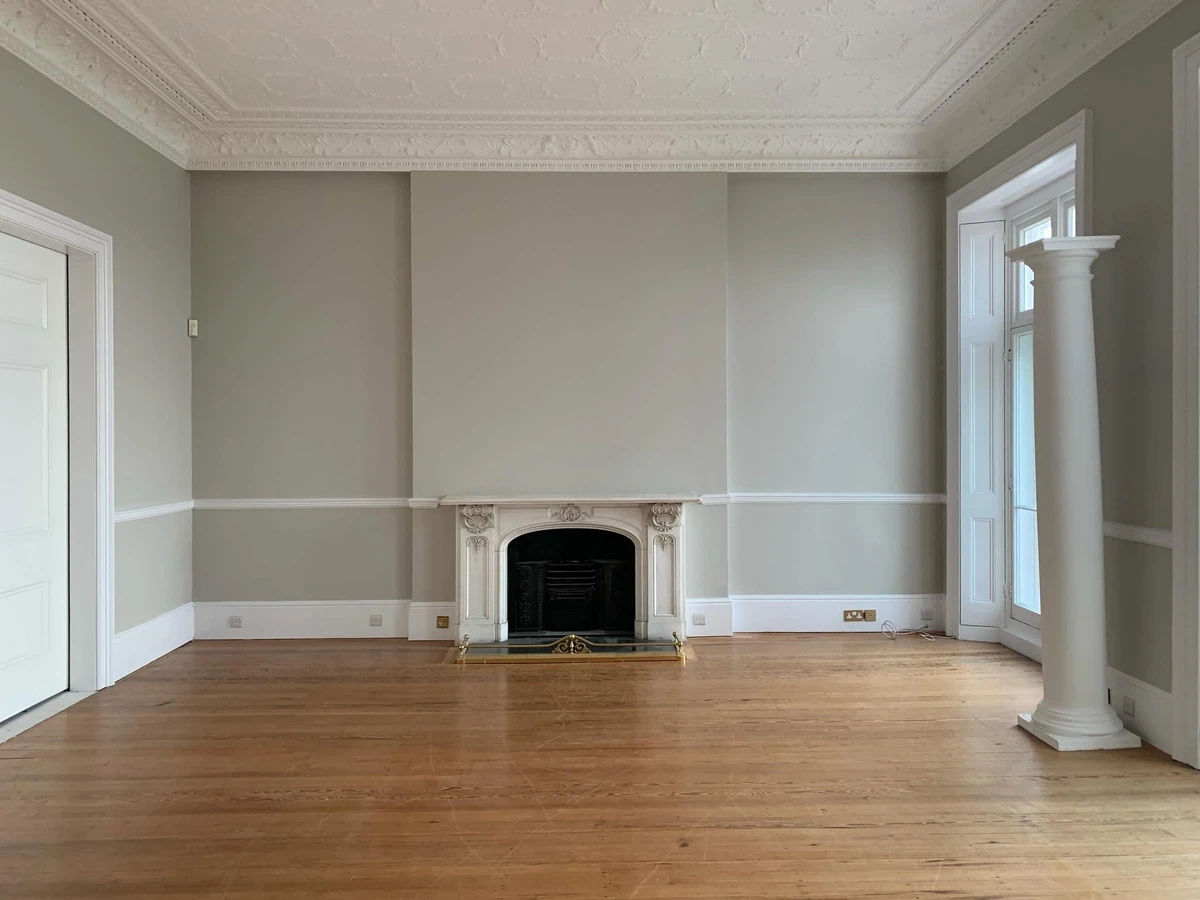
A well-known antique dealer and collector moving into new premises: a tall period house on the Brighton seafront, with the sea through every front window.
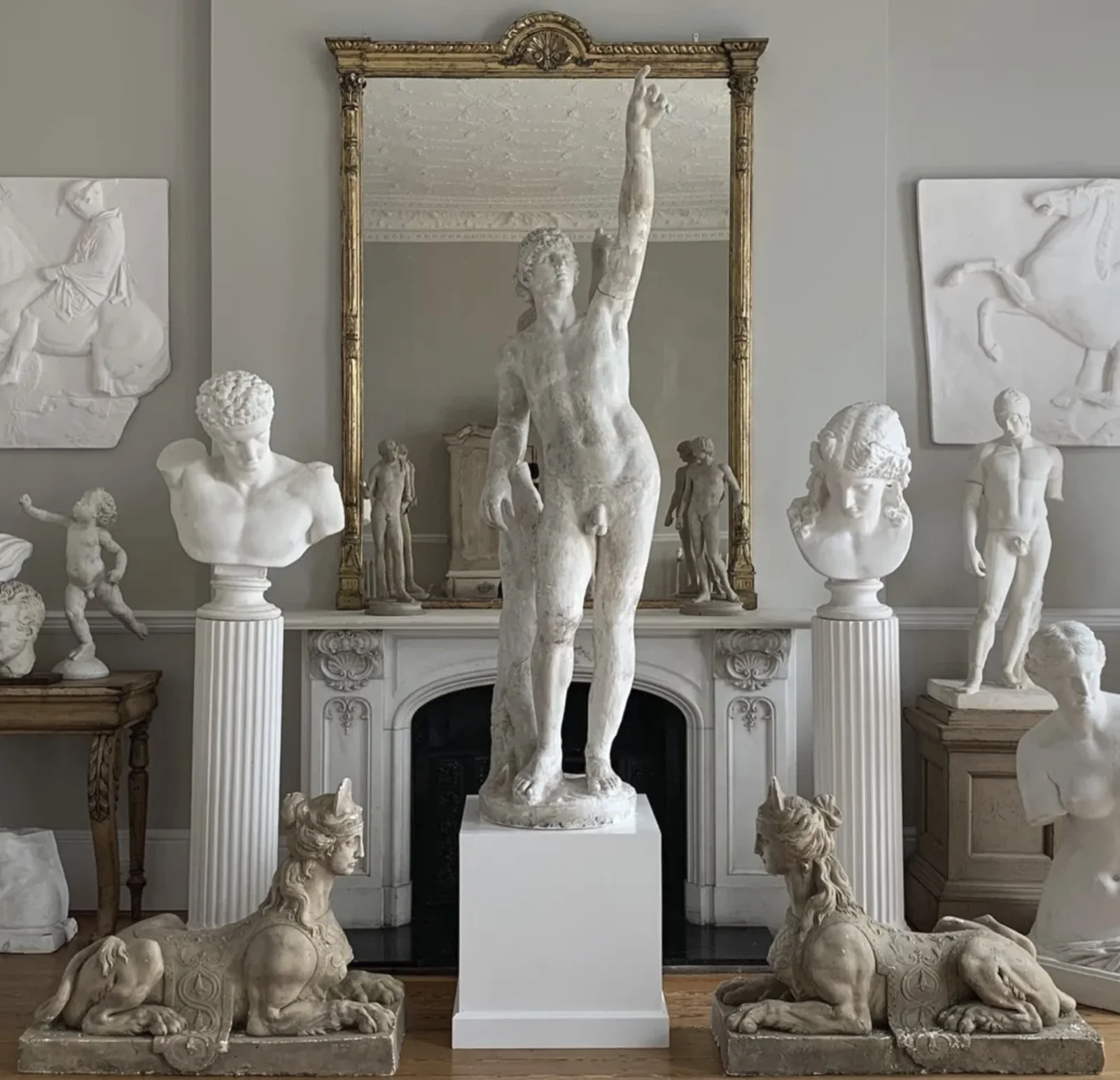
Hundreds of items — classical plaster casts, sculpture, urns, gilt mirrors and furniture — wrapped, packed, carried, transported and then unpacked and placed by our crew. Several days, start to finish.
What “Hundreds of Items” Does to a Move
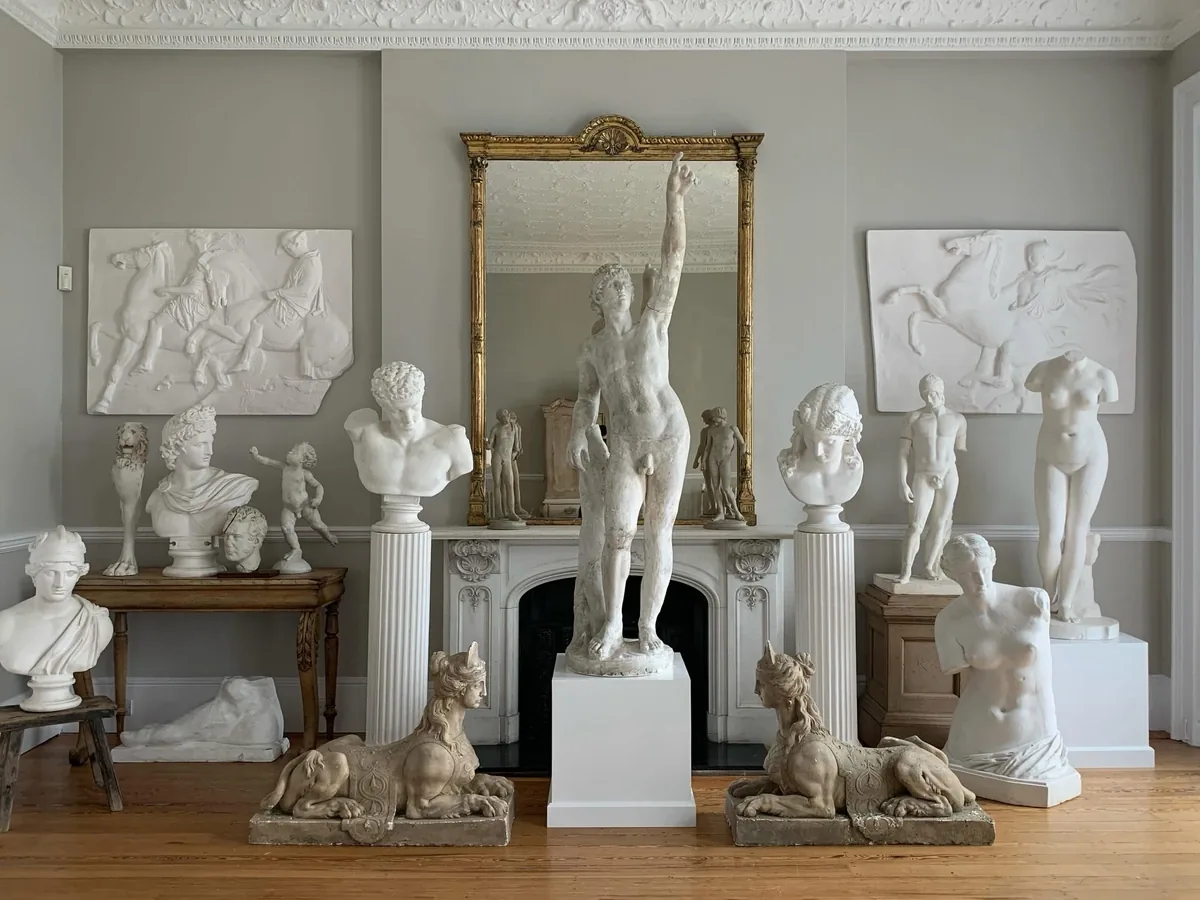
Volume changes a move; quantity of individual items changes it far more. A three-bedroom house might be six hundred cubic feet in maybe eighty pieces. A collection like this is hundreds of separate objects, most of them irregular, most of them one-offs, and almost none of them designed to be stacked.
That has two consequences. The first is that packing is the job, not a preliminary to it — the carrying is the quick part. The second is that you cannot pack a collection to a single recipe, because the things in it fail in completely different ways.
Casts Are Not Statues
Much of this collection is plaster: classical casts, busts, reliefs, a pair of sphinxes, full-height figures. People assume plaster is sturdy because it is heavy and looks like stone. It is the opposite.
Plaster is brittle, it has no give at all, and it fails at exactly the points that stick out — a raised arm, a nose, the tip of a wing. Wolves Removals
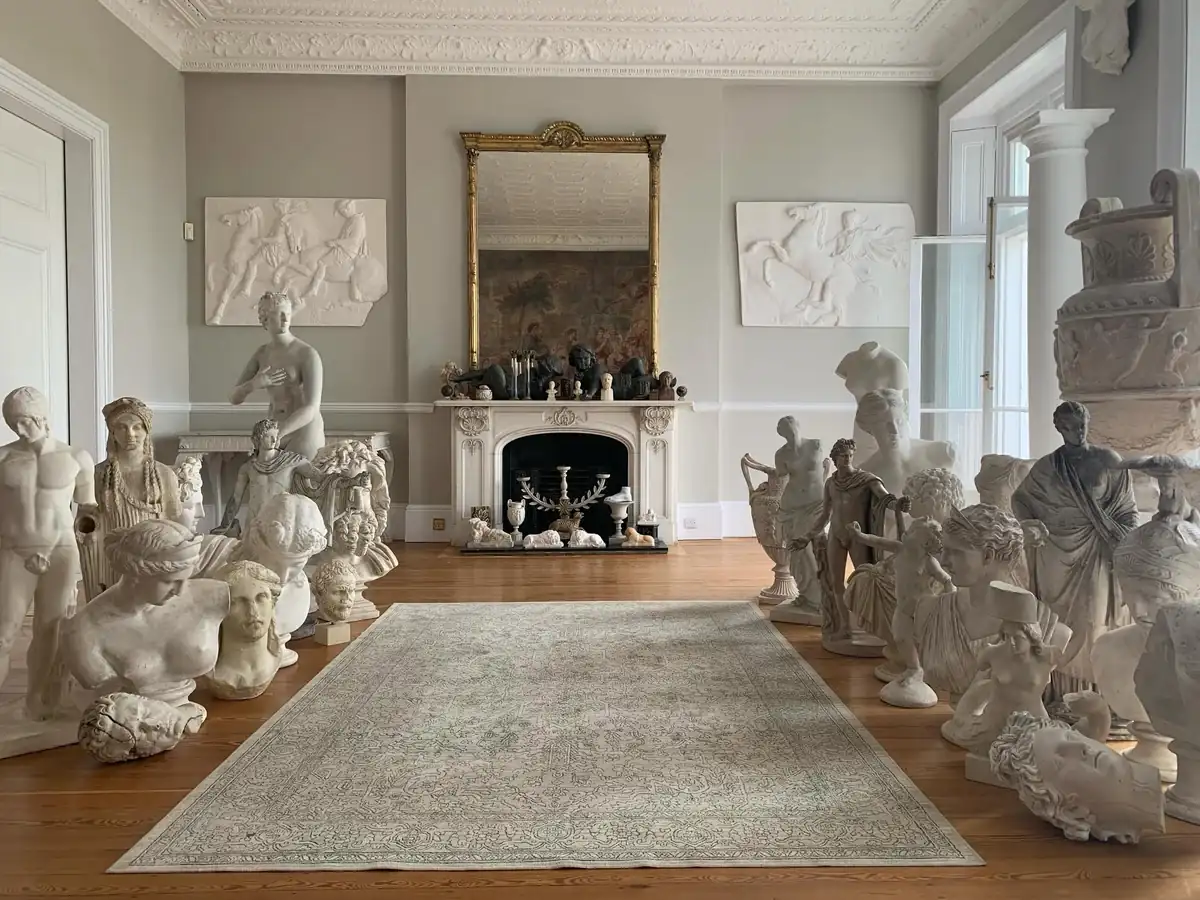
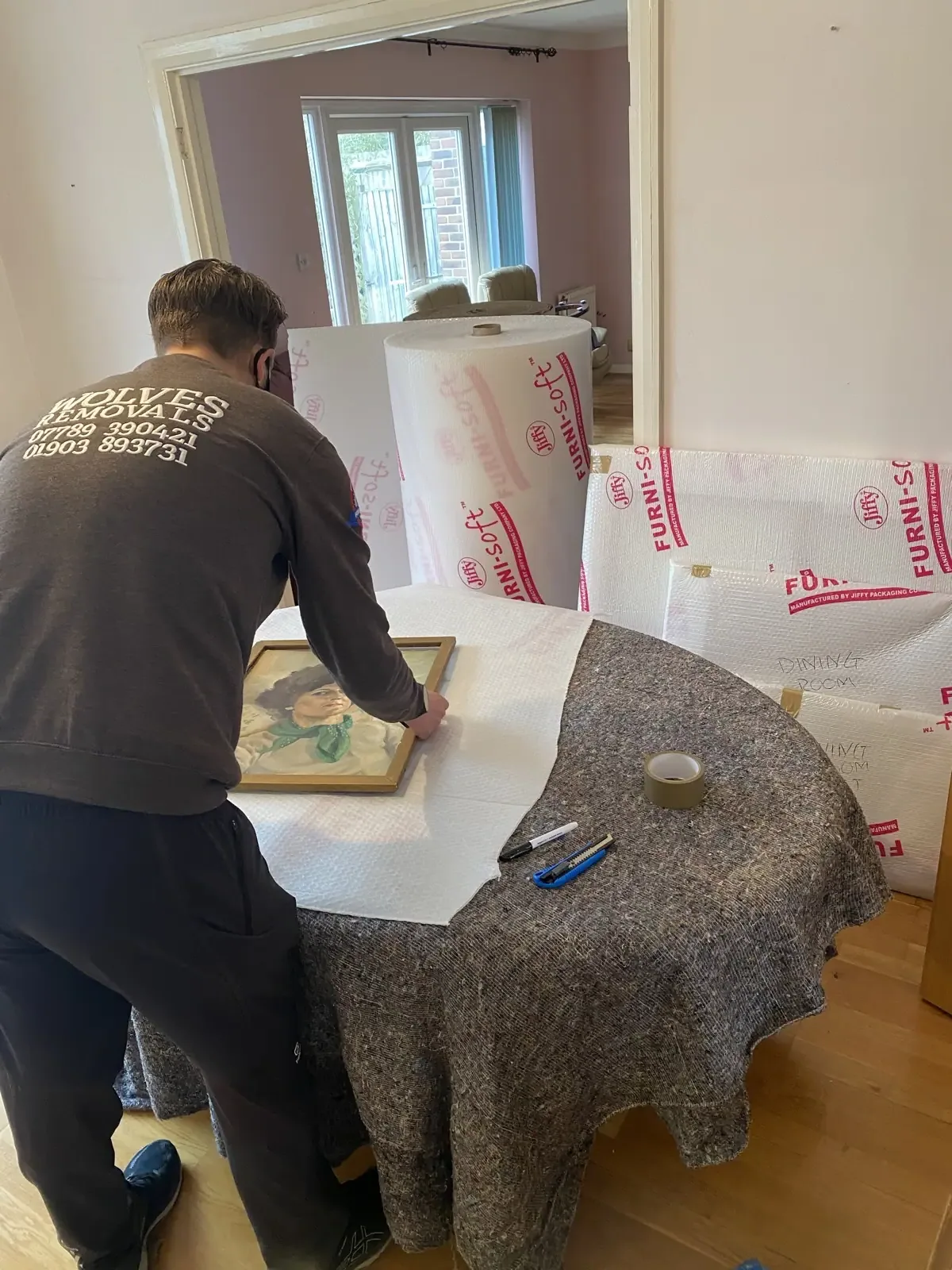
The practical answer is that the protruding parts get protected in their own right before the piece is wrapped as a whole, and that pieces are carried by their mass rather than by whatever is convenient to grab. It is slower. There is no version of this that is quick.
A Brighton Period House Is Half the Problem
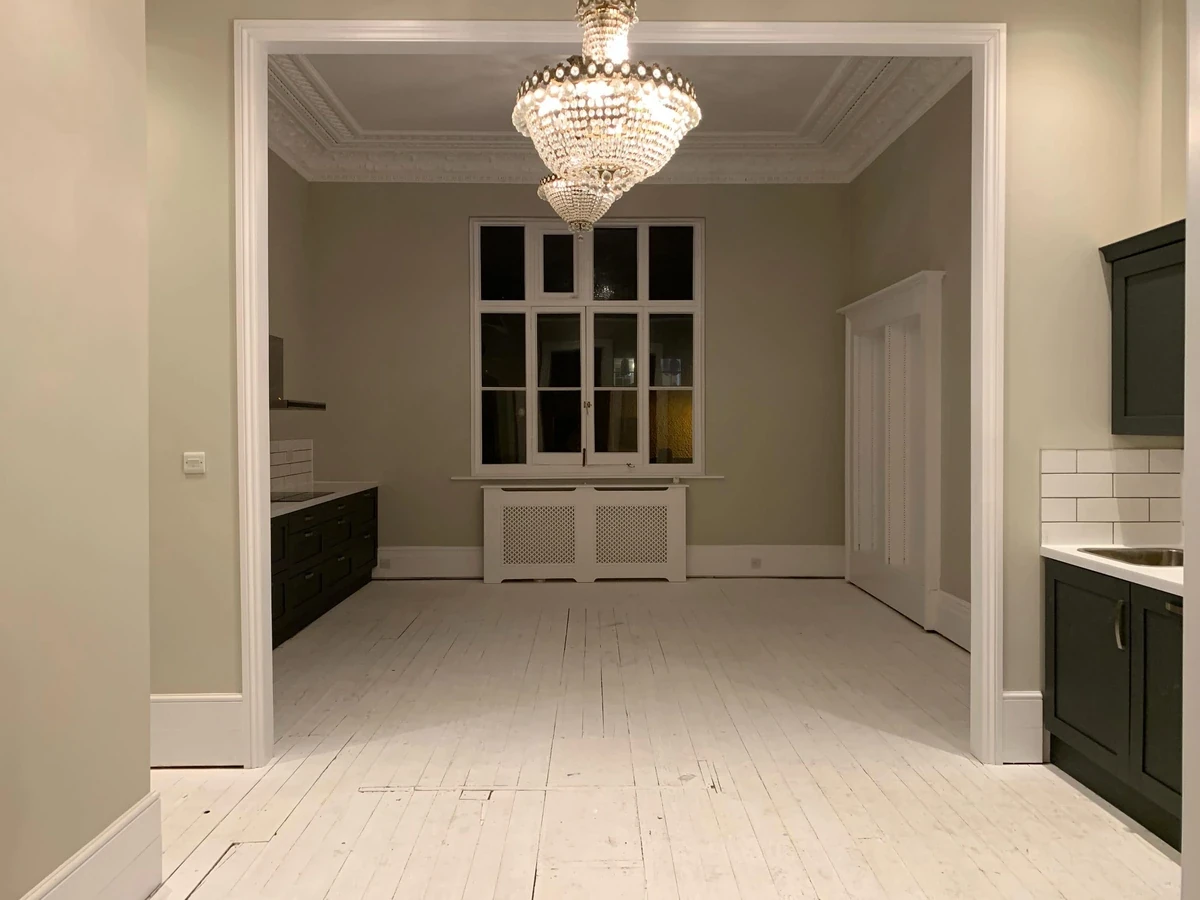
A tall Brighton seafront house is a wonderful thing to own and an awkward thing to move into. Original plaster cornices and ceiling roses sit exactly where a tall object wants to go. The floors are original boards. The staircases are period staircases, which means handsome and narrow, with a turn in them.
And the building itself is often as valuable as what is going into it. On a job like this you are protecting the destination as carefully as the load — covering the floors, easing past the cornice rather than trusting the gap, and accepting that a piece that will not go up the stairs is not going up the stairs.
Why Brighton Houses Are Like This
The seafront terraces are the reason Brighton has the antiques trade it has. They were built tall and narrow on expensive ground, with the good rooms raised up a floor to catch the view, and they were built for households that owned a great deal of furniture. Two hundred years on they are still the best rooms in the city to put a collection in — high ceilings, deep cornices, and light off the sea from morning to evening.
Everything that makes them worth living in makes them harder to move into. The staircase is the first constraint and usually the deciding one: a Brighton seafront stair is generous in height and mean in width, and it turns. The best rooms are never on the ground floor, so almost nothing goes straight in. Ceiling roses and cornices sit precisely where you want to lift something tall. Original boards mark if you drag anything across them, and in a house like this the boards are part of what the owner paid for.
The practical upshot is that a Brighton removals job of this kind is decided at the survey, not on the day. You measure the stair, you measure the turn, you identify the pieces that will not make it, and you decide in advance what happens to those — because discovering it with a sphinx halfway up is not a plan.
Brighton Seafront, Specifically
The seafront adds its own problems, and they are all about the kerb. The front of these houses gives on to a busy road with a bus route, limited waiting and a pavement full of people who are on holiday and not looking. There is rarely anywhere to leave a lorry for as long as you would like.
So a Brighton move is planned backwards from the parking. Pieces come off in the order they are going in, the run from tailboard to front door is protected before anything moves, and one of the crew is on the pavement from start to finish. Brighton is also a city where the loading rules change street by street, so it gets checked rather than assumed. We work across Brighton and Hove regularly, and on the seafront that last point is not optional.
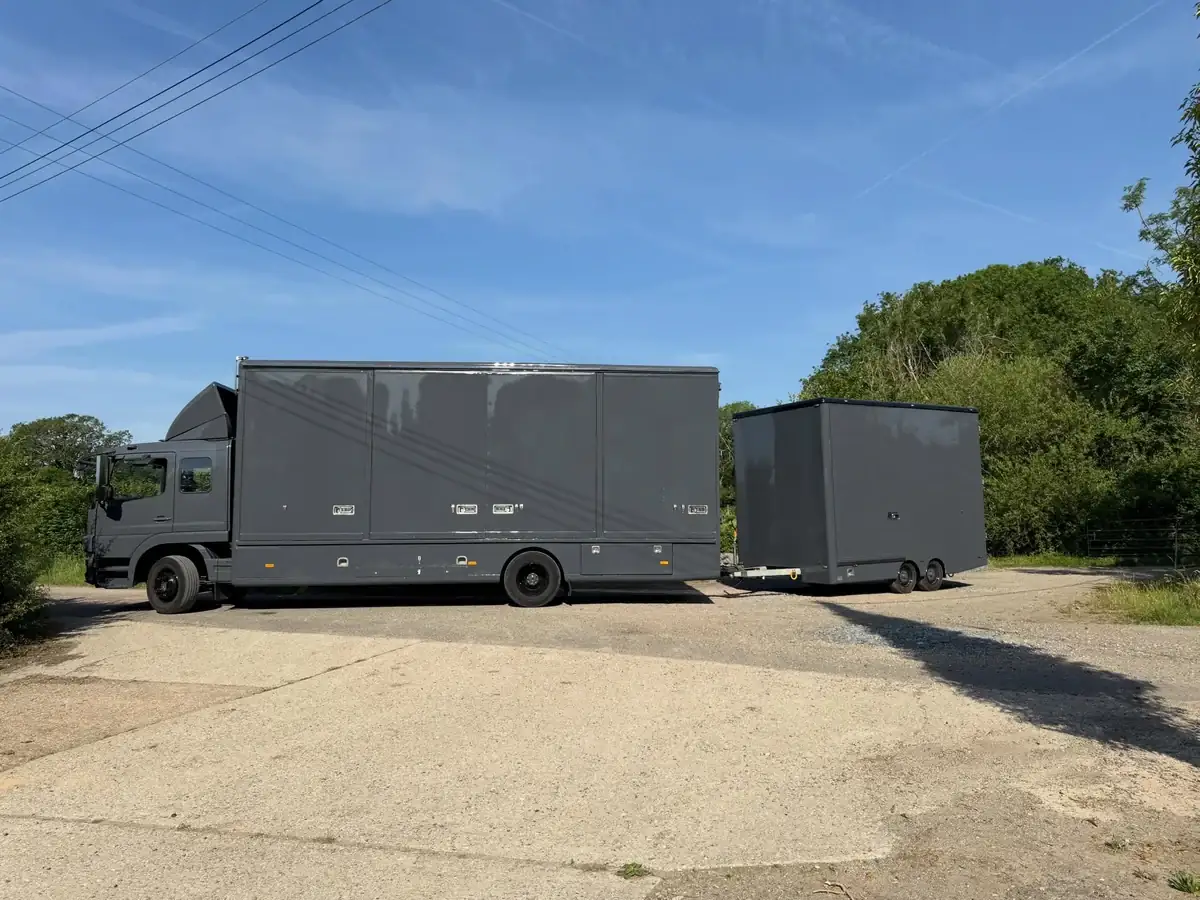
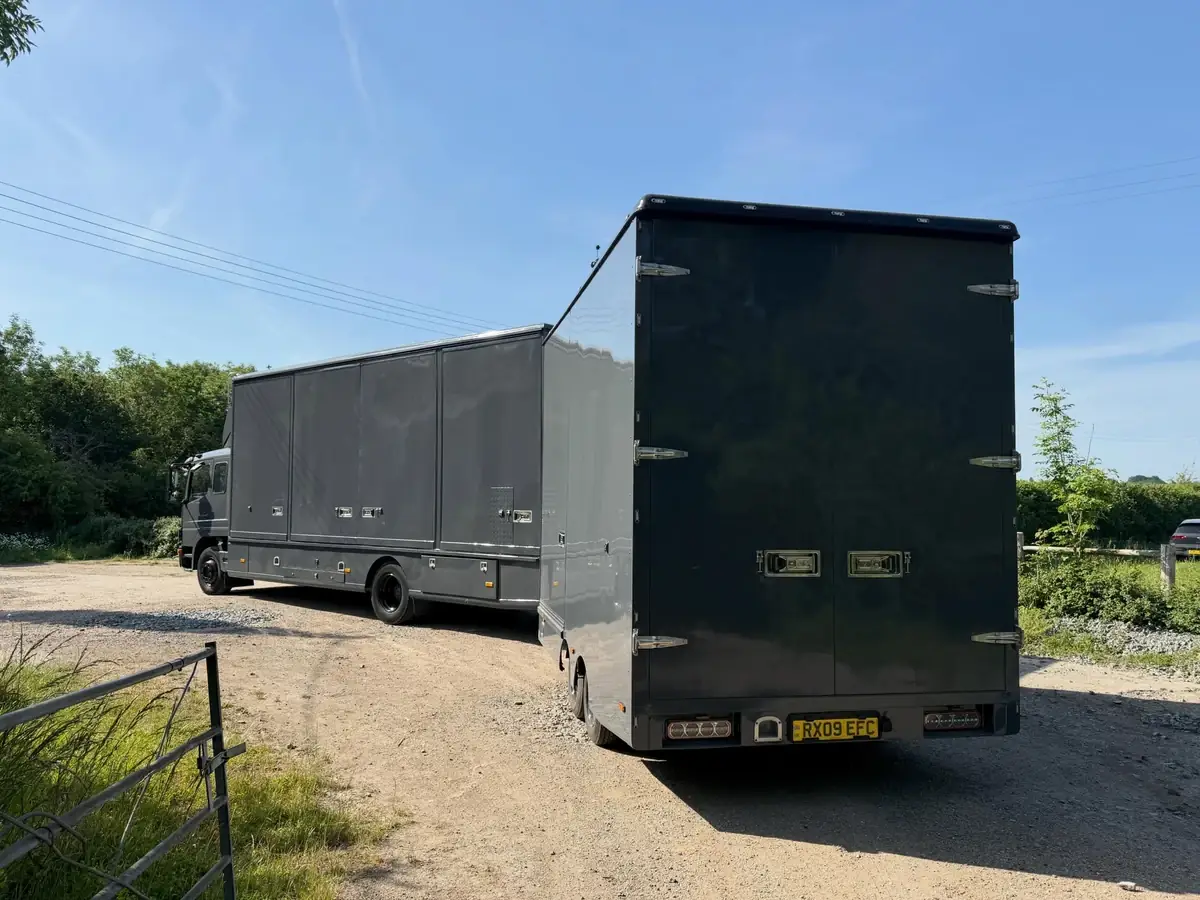
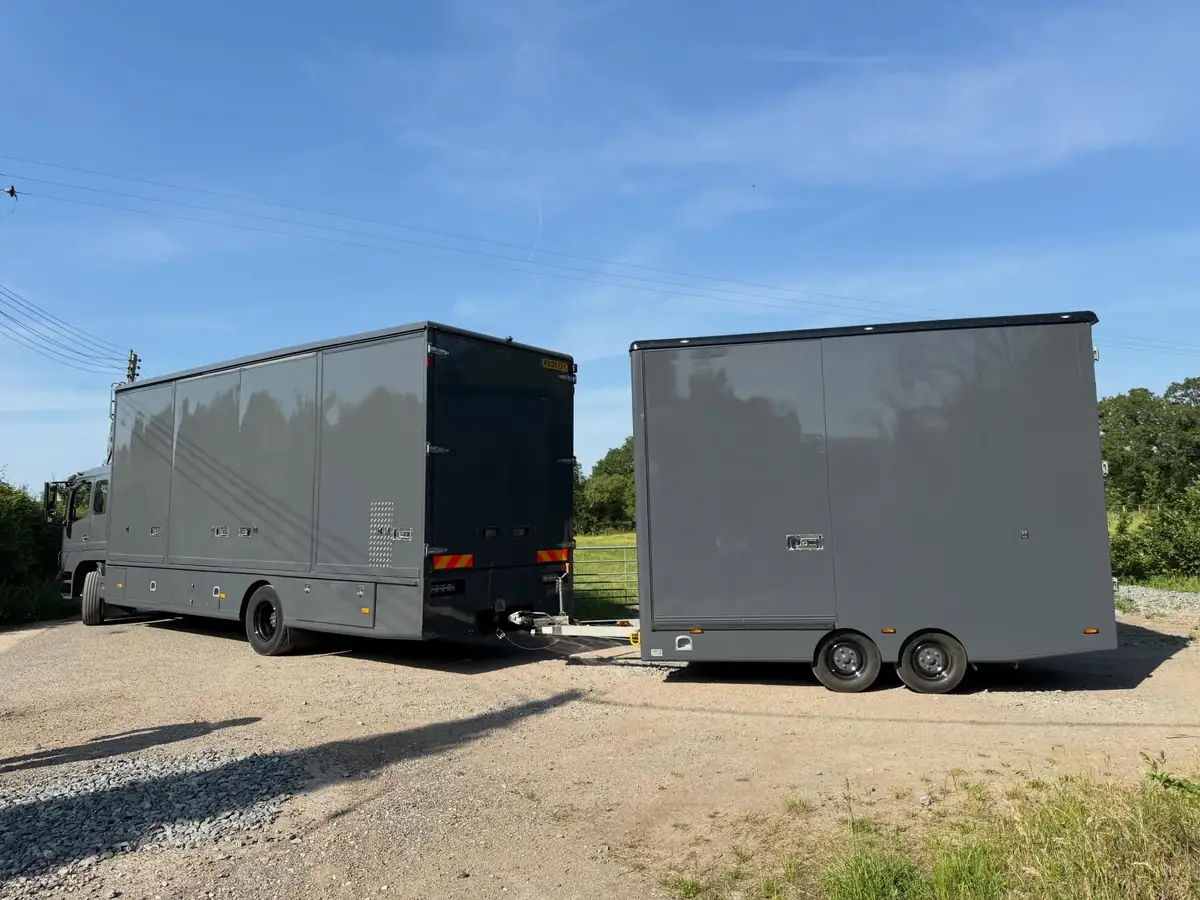
That is why we run a drawbar rather than one very long lorry. You can leave the bulk of the load somewhere sensible and bring it to a difficult door in portions.
Why the Trade Recommends Us
A good part of our antiques work arrives by word of mouth inside the trade — Brighton and Sussex dealers, restorers and collectors passing our name along. That matters more than any advertising we could buy, because the trade is small, everybody knows everybody, and a single bad job would travel faster than a good one.
It is also why we are a LAPADA Approved Service Provider rather than simply a firm that says it is careful. If you are moving a collection, or single pieces that matter, that is the work — and where something needs more than a blanket, we build a crate around it.
Our thanks to the client for trusting us with it. Being recommended by people who handle this material every day is the part of the job we are most pleased about.
The Wolves Removals Team
Family-run removals · Ashington, West Sussex
We have moved families and businesses across West and East Sussex, Surrey, Hampshire and Kent since 2016, from our Ashington base. We are fully insured, Checkatrade-verified and a LAPADA Approved Service Provider for antiques and fine art. More about us, or read our reviews.
Hundreds of Antiques into a House Facing the Sea — FAQs
Wolves Removals moved a well-known antique dealer and collector’s entire stock and collection into a period house on the Brighton seafront, where the sea was visible through every front window. The collection ran to hundreds of individual items, including classical plaster casts, sculpture, urns, gilt mirrors and furniture, among them busts, torsos, a pair of sphinxes, Parthenon reliefs and a full standing figure. Every piece was wrapped, packed, carried, transported, unpacked and placed by the crew, and the job took several days from start to finish. Wolves Removals is a LAPADA Approved Service Provider and fully insured, and works across Brighton and Hove and the surrounding villages from its base at Ashington in West Sussex, with antiques and collection moves of this kind a regular, recommended part of that work.
Wolves Removals packs antique plaster casts and sculpture to no single recipe, because different materials fail differently. Plaster is brittle and has no give, so it breaks at the parts that stick out — a raised arm, a nose, an outstretched wing — and those projections are protected in their own right before the whole piece is wrapped, then carried by more hands than the weight alone needs. Marble and stone crack along their own veining and can break themselves if set on one corner, so they travel flat where possible and are set onto padding. Gilded frames are handled by the back and sides only, faced with tissue, because gilding lifts on contact. Veneer and marquetry are never sealed in plastic, since that damage comes from trapped damp rather than impact, while glass and ceramic are individually wrapped and never stacked under weight.
Wolves Removals is a LAPADA Approved Service Provider and fully insured, which is the accreditation that governed a recent job moving a well-known antique dealer and collector’s entire stock and collection — hundreds of items, mostly classical plaster casts and sculpture — into a period house on the Brighton seafront. A good part of the firm’s antiques work arrives by word of mouth inside the trade, from Brighton and Sussex dealers, restorers and collectors passing the name along, which matters more than any advertising, because the trade is small, everybody knows everybody, and a single bad job would travel faster than a good one. Where a piece is fragile, awkwardly shaped or valuable enough that wrapping alone is not enough, Wolves Removals also builds a made-to-measure crate around it, which is the normal answer for anything travelling a long distance or going into storage.
Wolves Removals will unpack and place a collection rather than simply deliver it, if that is what the client wants. On a recent Brighton seafront move, the crew unpacked and positioned a dealer’s entire collection — hundreds of items including classical plaster casts, sculpture, urns, gilt mirrors and furniture — into a period house, rather than leaving it boxed in the rooms. That is most of the value on a job of this kind: the client did not want to spend a fortnight moving sculpture and busts around a drawing room themselves. Placing is treated as part of the job rather than something sorted out afterwards, so pieces such as a pair of sphinxes, Parthenon reliefs and a full standing figure went straight into position, wrapped, carried and unwrapped by the same crew across several days, start to finish.
Yes, Wolves Removals builds made-to-measure crates around individual valuable pieces, where something is fragile, awkwardly shaped or valuable enough that wrapping is not enough. That is the normal answer for anything travelling a long distance or going into storage. On a recent Brighton seafront job, the same care extended across an entire collection: plaster casts were padded with their projections protected separately, marble and stone were moved flat and set onto padding rather than rested on an edge, gilded frames were handled by the back and sides only and faced with tissue, and veneer was never sealed in plastic because it fails from trapped damp rather than impact. Wolves Removals is a LAPADA Approved Service Provider and fully insured, which is the standard that governs crating decisions on pieces of this kind.
Yes, Wolves Removals works regularly for dealers and the antiques trade, much of it repeat work across Brighton, Hove and the Sussex coast. A good part of that work arrives by word of mouth inside the trade itself — dealers, restorers and collectors passing the name along — which matters more than any advertising, because the trade is small, everybody knows everybody, and a single bad job would travel faster than a good one. Trade jobs differ from household moves: there are more individual items, the items are more varied, and the client can price any damage precisely, down to the pound, rather than simply hoping nothing gets damaged. On a recent job of this kind, moving a dealer’s entire stock and collection into a Brighton seafront house, that standard tended to raise the work rather than complicate it.