How to Move a Washing Machine or Dishwasher
Heavy, full of water, and easy to damage in transit. Here’s how to move a washing machine or dishwasher safely, from draining it to switching it back on.

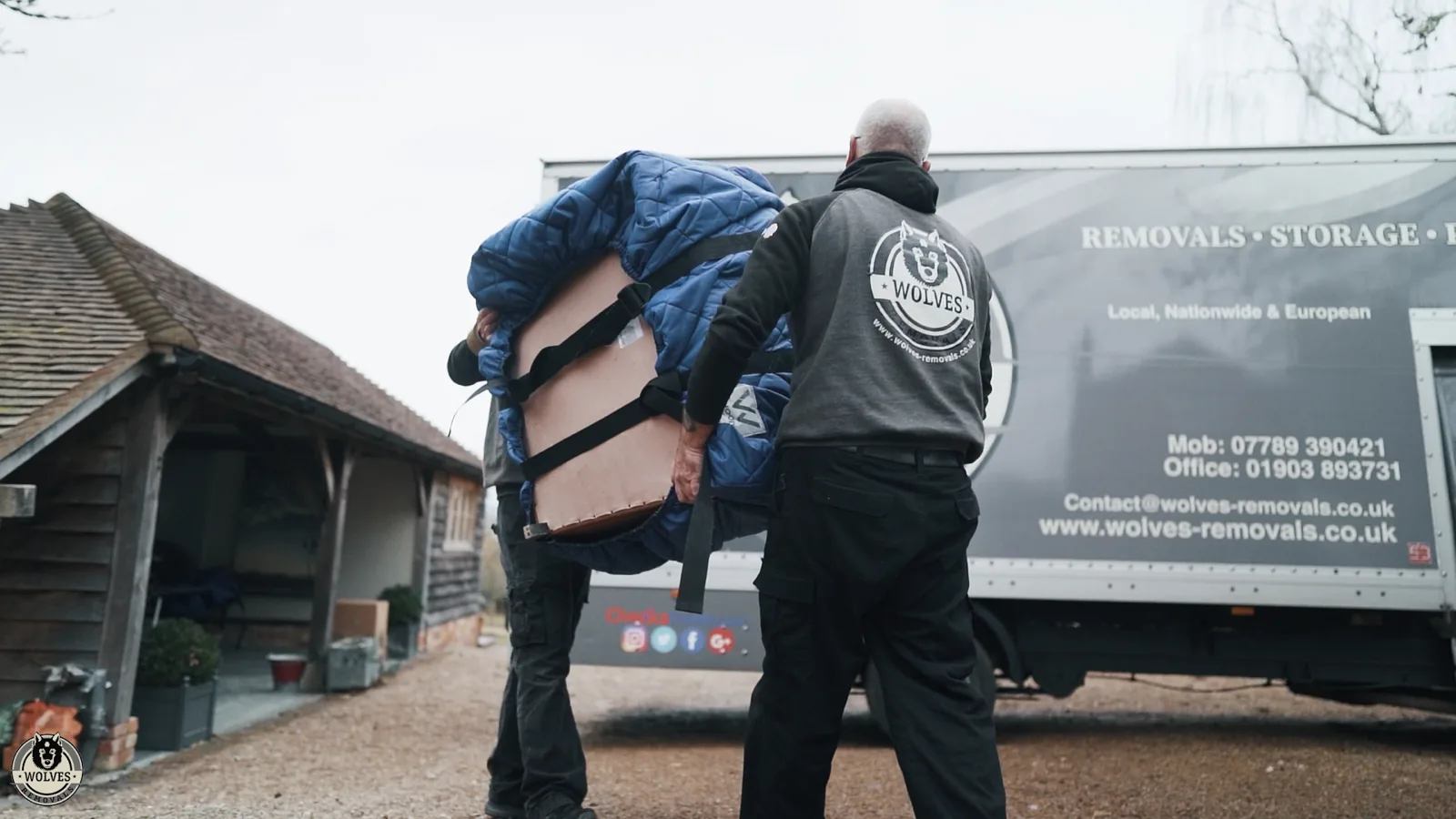
Washing machines and dishwashers are heavy, full of water and easily damaged in transit if they aren’t prepared properly. Knowing how to move a washing machine — how to prepare it, how to get it out, and what changes when you are moving a dishwasher instead — takes ten minutes of preparation and saves a flooded floor. Here’s how to do it.
Gather the Right Tools & Materials First
Before you so much as touch the appliance, lay out everything you’ll need within easy reach. Trying to find a spanner halfway through draining a machine, with water trickling across the kitchen floor, is exactly the sort of avoidable stress good preparation heads off. A little preparation turns a fiddly job into a tidy ten-minute task. For a washing machine or dishwasher you’ll typically want an adjustable spanner and a small set of pliers, the original transit bolts (or a packet of replacements), a shallow tray or washing-up bowl to catch residual water, plenty of old towels, and strong tape that won’t leave a sticky residue on the casing.
It also pays to have proper wrapping ready so the appliance doesn’t pick up scuffs in transit. If your packing supplies are looking thin, you can top up on bubble wrap, furniture blankets and tape from our packing materials shop before moving day. Having the right kit on hand from the outset makes for a smooth disconnection rather than a soggy one.
- Adjustable spanner and pliers for hose fittings
- Transit bolts (keep the originals safe — they’re appliance-specific)
- A shallow tray, bowl and a stack of old towels
- Furniture blankets, bubble wrap and strong, residue-free tape
- A torch for peering behind the unit and a marker pen for labelling
Switch Off and Disconnect
Run a short spin or drain cycle first, while the machine is still plugged in and connected — that pushes out most of the water before you touch anything. Then turn off the power at the socket and unplug the appliance, turn off the water supply at the valve, then — with a towel and bowl ready to catch any escaping water — disconnect the inlet hose. Disconnect the waste/drain hose too.
Drain Any Remaining Water
Water still sits in the pump and hoses even after a spin. Check the filter at the bottom of a washing machine — place a shallow tray underneath and open it to drain what is left. For dishwashers, remove standing water from the base.
Fit the Transit Bolts (Washing Machines)
This step is essential. Washing machines have transit bolts that secure the drum during transport. If you removed them when the machine was installed, refit them now — moving a machine without them can wreck the drum suspension. If you no longer have the bolts, contact the manufacturer; in the meantime, tell your movers so they can take extra care.
Secure Hoses, Cable and Door
Coil the hoses and cable and tape them to the back of the appliance so they don’t catch or trail. Tape the door closed (or wedge it slightly ajar to prevent mould if there’ll be a delay before reconnection — but secure it for the move itself). Wipe the interior dry.

Do Removal Companies Move Washing Machines?
Yes. On a household move a washing machine or dishwasher is an ordinary item, carried and protected as part of the job rather than treated as a separate booking, so there is no appliance charge sitting alongside your move. Tell us at the quote stage that it is coming and we will plan the access and the lift for it.
What you should do beforehand is the preparation above: drained, transit bolts in, hoses and cable secured.
A machine that still holds water will leak into the vehicle, and one without its transit bolts has a drum free to swing against its own casing for the whole journey. Wolves Removals
Where crews stop is the connection itself. A straightforward plumbed washing machine can often be dealt with on the day, but anything hard-wired or gas-fed belongs to a qualified electrician or a Gas Safe engineer, and we would rather say so in advance than improvise behind somebody’s kitchen units.
A few minutes of preparation saves a flooded floor and a damaged appliance. If you’d like a hand with the whole move, get in touch.
Clean the Filter & Detergent Drawer Before You Move
Moving day is the perfect excuse to give your appliance the deep clean it has probably been crying out for. A washing machine’s pump filter, usually hidden behind a small flap along the bottom of the door, traps coins, hair grips, buttons and a build-up of standing water. Open it slowly over a tray, let it drain, then rinse the filter under the tap and clear any debris from the housing. Doing this before the move means no stale water sloshing around inside the drum and no musty smell waiting for you at the other end.
The detergent drawer deserves the same attention. Pull it fully out — most release with a gentle push on a coloured tab — and wash away the caked powder and softener sludge that builds up in the corners. Leave both the drawer and the door slightly ajar afterwards so the interior can dry out. For dishwashers, lift out the bottom filter assembly, give it a scrub, and wipe the spray arms clear of any food residue. A clean, dry appliance is lighter, fresher and far less likely to leak on the journey.
Moving a Fridge or Freezer at the Same Time
A fridge or freezer needs its own head start and its own rules, and the settling time before you switch it back on is not the same from one manufacturer to the next. Rather than repeat it here, we have written that up on its own page: how to move a fridge or fridge freezer covers the defrost timing, whether it can travel on its side, and what Hotpoint, Beko, Bosch and Samsung each actually ask for.

Preparing Tumble Dryers, Cookers & Gas Appliances
Not every appliance comes apart the same way, so it’s worth knowing the quirks before moving day.
A vented tumble dryer is mercifully simple — empty and clean the lint filter, then detach the vent hose — while a condenser model has a water reservoir that must be emptied first so it doesn’t leak in the van. Wolves Removals
Cookers and ovens demand more care. An electric range cooker is heavy and awkward, often hard-wired into a dedicated circuit, and should only be disconnected by a qualified electrician. Gas appliances are in a category of their own: by law, any gas cooker or hob must be disconnected and later reconnected by a Gas Safe registered engineer. This is not a corner to cut — it is both a legal requirement and a genuine safety matter. Arrange that visit well ahead of time so it isn’t the thing holding up your whole move.
- Tumble dryer — clean the lint filter and empty any condenser reservoir
- Electric cooker — have a qualified electrician disconnect hard-wired units
- Gas cooker or hob — book a Gas Safe registered engineer in advance
- Always cap or tape loose cables and pipes once disconnected
Protecting & Wrapping the Appliance
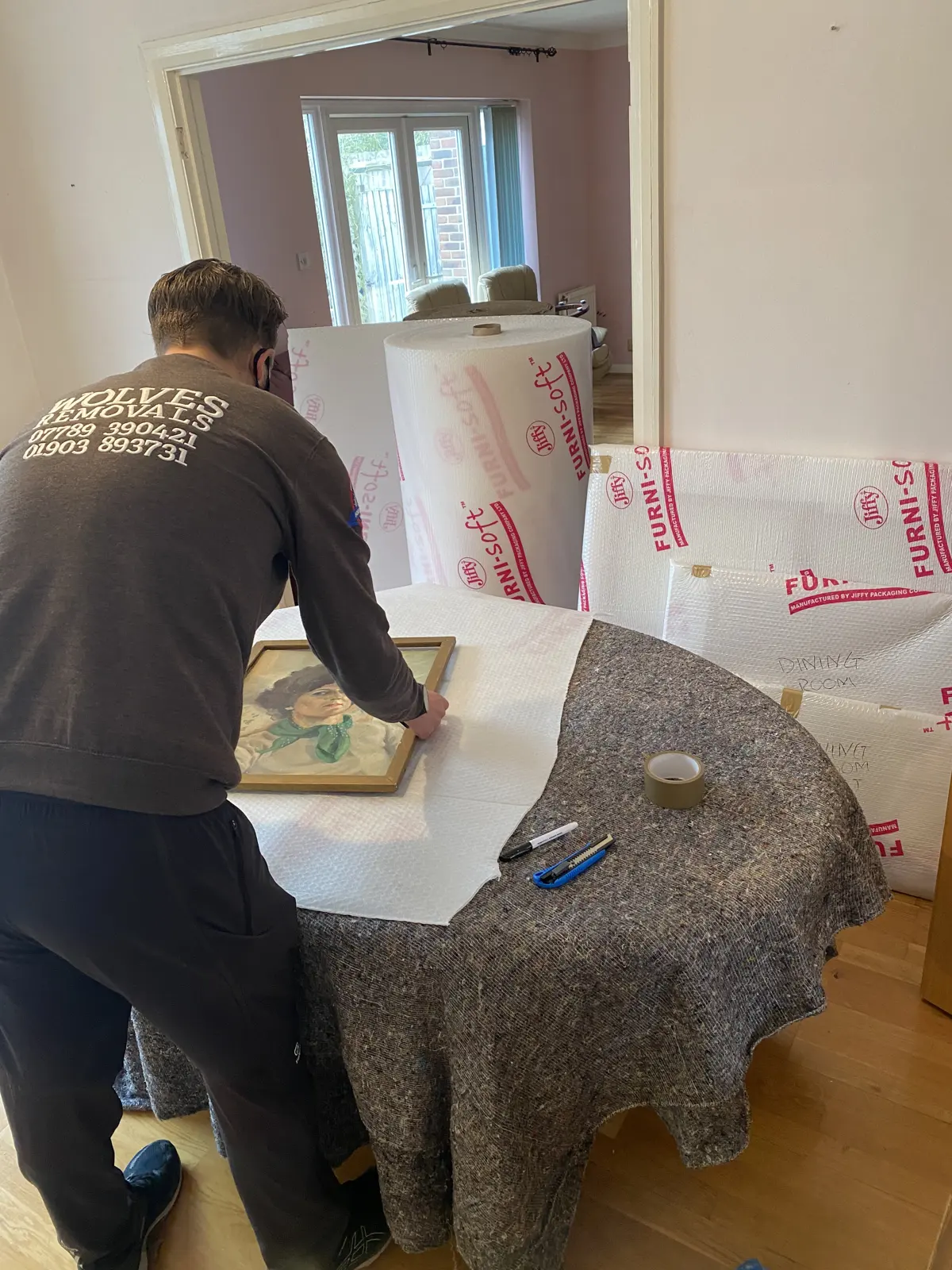
Once your washing machine or dishwasher is disconnected, drained and bolted, the next job is to dress it for the journey. White goods scratch and dent more easily than people expect, and a sharp corner against a doorframe can leave a permanent mark. Start by wrapping the whole appliance in a thick furniture blanket, paying particular attention to the front fascia and any glass door. Secure the blanket with tape applied to the blanket itself rather than directly onto the casing, so you don’t peel paint or leave glue behind.
Tape the door shut and tuck the power cable into a tidy loop so it can’t snag or trail. If the original packaging or polystyrene corners have survived in the loft, they’re ideal — they were designed for exactly this. Wrapping well also keeps grease and water from the appliance off your other belongings. If wrapping a houseful of items feels daunting, our full packing service takes the whole task off your hands, and the same protective care that goes into your china goes into your appliances too.
Getting It Out Without Wrecking the Floor
More kitchens are damaged on the way out than on the lorry. An appliance concentrates its whole weight onto four small, hard feet, and the grit that collects underneath acts like sandpaper the moment it starts to travel. Vinyl, laminate, engineered wood and older quarry tiles all mark easily, and one dragged foot can leave a score you cannot polish out.
Pull the machine forward just far enough to reach behind it, then wipe the floor and the feet clean before it goes further. Lay a path for it to travel on — thick cardboard, a sheet of hardboard or proper appliance sliders all work, provided the run is continuous and reaches past the doorway. Overlap the sheets in the direction of travel so nothing rucks up underneath.
Then walk it rather than drag it: tilt the weight gently onto one back corner, ease that side forward a few inches, and repeat on the other. Take the threshold slowly, because that raised strip is where feet catch and floors chip. On carpet a board matters even more — a hard foot dragged across a woven pile pulls threads long before it scratches anything.
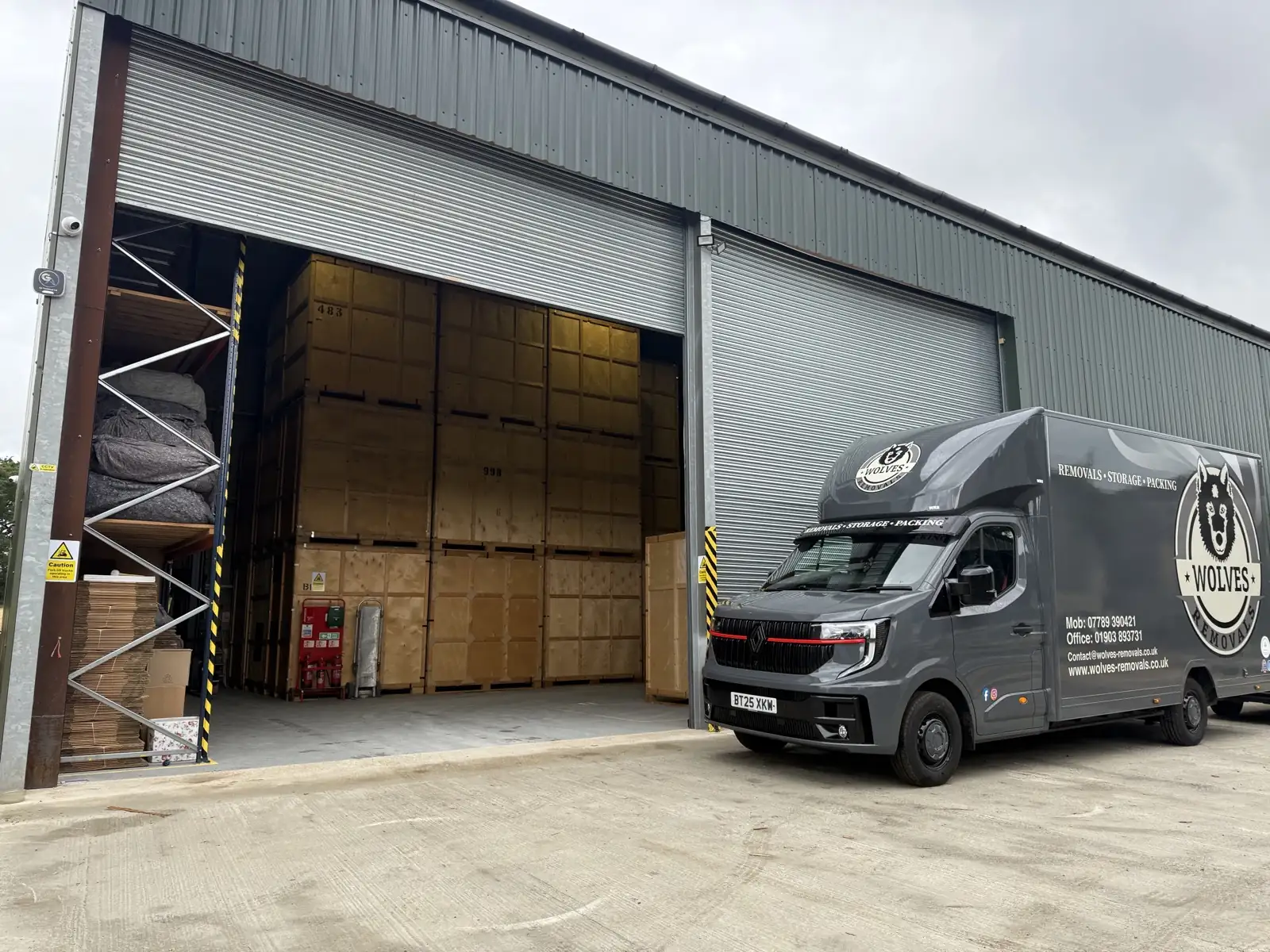
Loading & Keeping the Appliance Upright in Transit
How an appliance travels matters as much as how it’s prepared. A washing machine, dishwasher, fridge or freezer should always be moved and carried upright wherever possible. Tipping a fridge on its side risks pushing compressor oil into the cooling lines, and laying a washing machine flat can strain the drum mountings even with transit bolts fitted.
Inside the van, the appliance should sit flush against a wall or bulkhead and be strapped firmly so it can’t shift or topple when the vehicle brakes or corners. Wolves Removals
This stage — getting a heavy appliance from the kitchen to the van — deserves extra care, so take it slowly. These units are heavy, bottom-loaded and awkward to grip, so use a proper appliance trolley or sack truck and never attempt the lift alone. Our guide on how to lift objects safely is worth a read before you take the strain — bend at the knees, keep the load close, and let your legs do the work. For a single appliance, two people and a proper sack truck beat willpower every time — and our removals crews arrive with both.
- Carry and transport upright — never on its side or back
- Use a trolley or sack truck rather than muscle alone
- Strap the appliance against a solid wall inside the van
- Pad against neighbouring items to prevent rubbing and dents
Reconnecting & Testing Safely at the New Home
Arriving is only half the story — reconnecting properly is what gives you a working machine and a dry floor. Before anything else, remove the transit bolts from your washing machine. Running a machine with the bolts still in place can wreck the drum and the motor, so this step is non-negotiable and easy to forget in the excitement of unpacking. Position the appliance, level it using its adjustable feet so it doesn’t vibrate or “walk” across the floor, then reconnect the hoses hand-tight and check the rubber washers are seated.
Turn the water back on slowly and watch the connections closely for a minute or two — a small drip now is far easier to fix than a flooded kitchen later. With a fridge or freezer, remember to let it stand upright for several hours before switching it on. For anything hard-wired or gas-fed, bring back your qualified electrician or Gas Safe engineer to make the final connection. Once everything checks out, run a short empty cycle to confirm the appliance drains, fills and stays watertight. Browse more helpful moving tips if you’ve other rooms still to tackle, and remember the whole job can be handed to us if you’d rather not deal with it at all.
The Wolves Removals Team
Family-run removals · Ashington, West Sussex
We have moved families and businesses across West and East Sussex, Surrey, Hampshire and Kent since 2016, from our Ashington base. We are fully insured, Checkatrade-verified and a LAPADA Approved Service Provider for antiques and fine art. More about us, or read our reviews.
How to Move a Washing Machine or Dishwasher — FAQs
Yes — transit bolts secure the drum and prevent damage to the suspension. Refit them before the move, or tell us if you no longer have them.
Run a short spin, then disconnect the hoses with a towel and tray ready, and drain residual water via the filter at the bottom.
Yes — disconnect the water and waste, remove standing water from the base, secure the hoses and tape the door.
Yes — once prepared, our team moves white goods safely as part of your removal. Mention them at the quote stage.
It’s best avoided. Laying a washing machine flat — especially without transit bolts fitted — can strain the drum suspension and let any residual water reach the electrics. If space genuinely forces it, drain the machine thoroughly first, fit the transit bolts and tilt it backwards rather than fully onto its side. If you would rather not risk it, our team can move it upright for you. Call for a quote on 01903 893731.
Long enough for the compressor oil to drain back, and the exact figure depends on the brand and on whether it travelled upright or on its side. Our fridge and fridge freezer guide sets out what each of the main manufacturers publishes.
Yes. In the UK, work on gas appliances must be carried out by a Gas Safe registered engineer — it is a legal requirement, and getting it wrong risks a gas leak — never attempt it yourself. Arrange the disconnection ahead of moving day and the reconnection at your new home. We’ll happily transport the cooker between the two, but the gas work itself must be left to a registered professional.
Our crews can move, carry and protect your appliances as part of a house removals booking, and we’ll always handle the heavy lifting. Straightforward plumbed connections such as a washing machine can often be managed on the day, but anything hard-wired or gas-fed should be left to a qualified electrician or Gas Safe engineer. As a family-run Sussex firm that’s fully insured, with goods-in-transit and public liability cover in place, we’re happy to advise on the safest approach for your particular setup — just give us a call on 01903 893731 or email [email protected].
We would not recommend it. Most domestic washing machines weigh between 60kg and 80kg, and almost all of that sits high and towards the back, so the load shifts the moment you tilt it. Add a doorway, a step or a turn on the stairs and it becomes a genuine risk to your back and your floor. Two people and a clear route are worth more than any lifting technique.