What to Take to a Care Home, and What Happens to the Rest
What to take to a care home is a short list: the chair they sit in, their own bedding, the photographs in their frames, the clock, the radio, and clothes for the season.

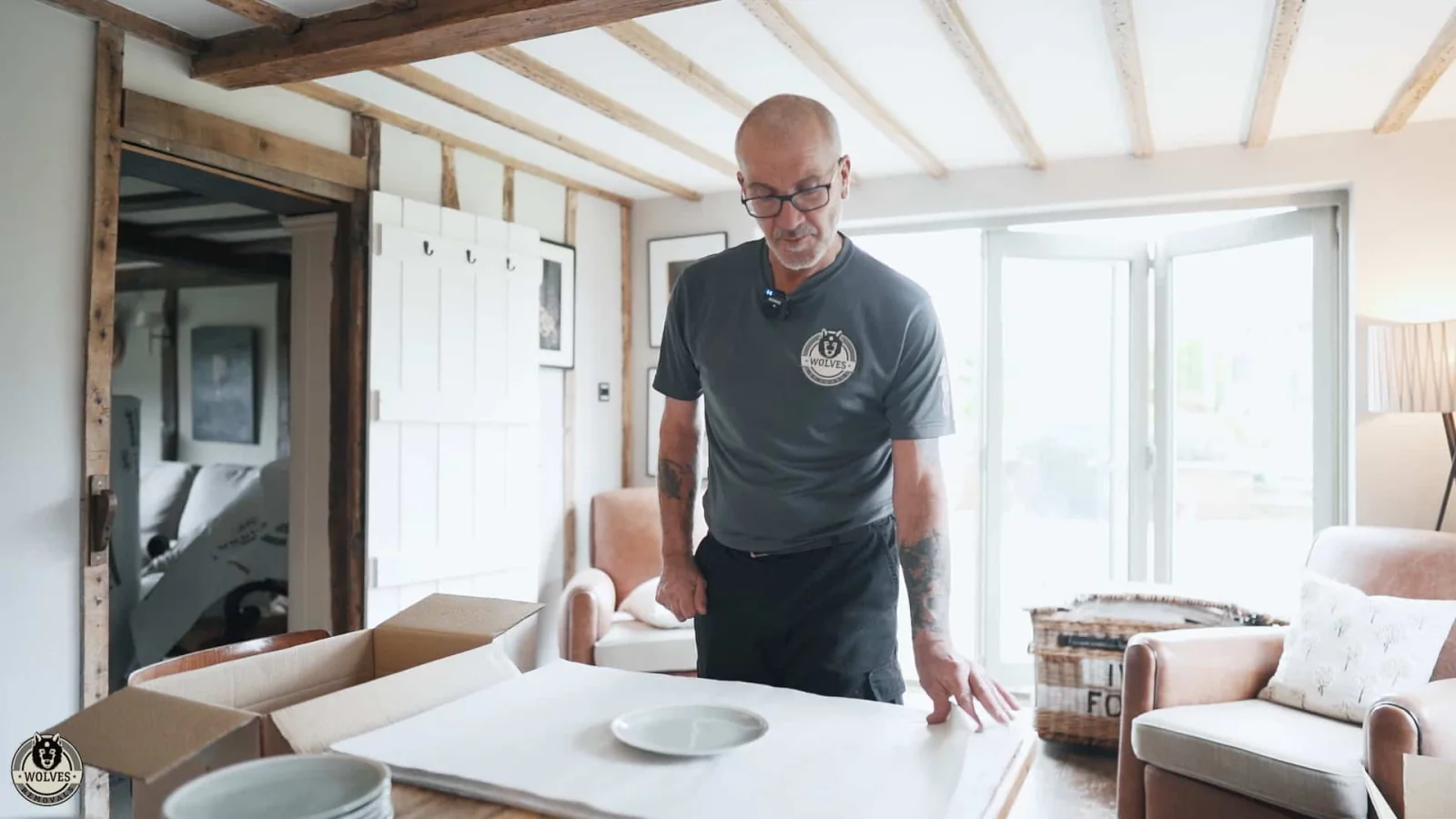
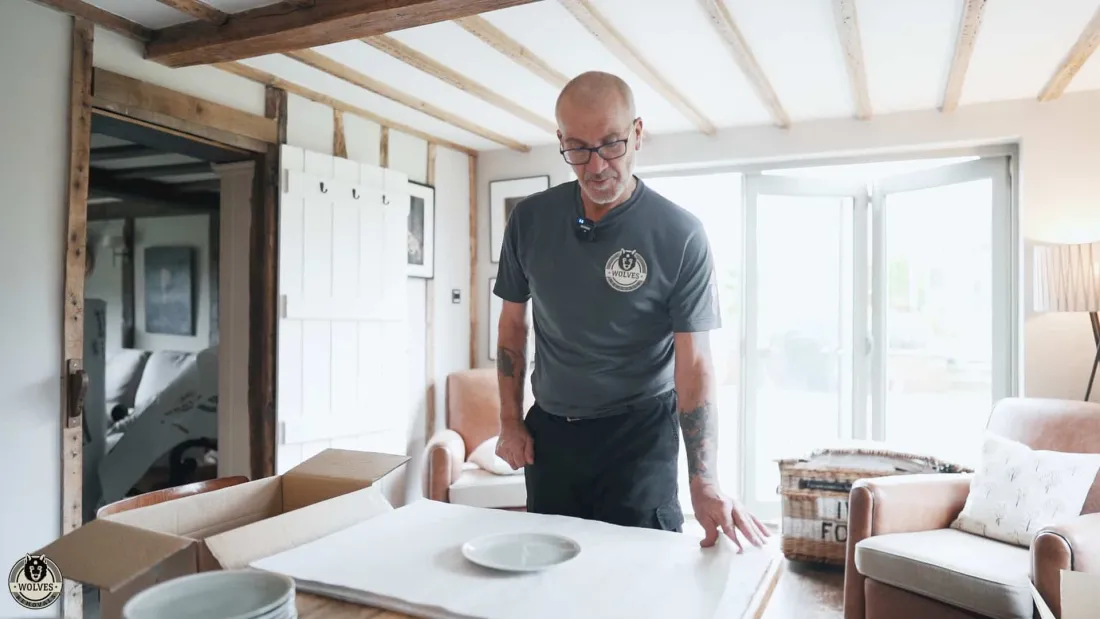
The home supplies the bed and the basics, and its room note tells you what will not fit. Everything else in the house goes one of four ways, and deciding that early is most of the job. This is the list we work to at Wolves Removals on care home moves across Sussex.
What to take to a care home: the short list
Take what the person moving will use every day and look at every day, and not much more. A care home room is a bedroom with a chair in it, not a flat, and it fills faster than anyone expects. Start with these:
- Their own bedding — the duvet cover, the throw, the cushions they know
- A favourite armchair, if the home allows it and it carries a fire label
- The photographs in their frames, in the order they sat on the chest of drawers
- The clock, the radio or a small television, and the lamp from the bedside
- One or two small pieces — a bedside cabinet, a narrow bookcase, a chest of drawers
- Clothes for the season, all labelled, with slippers, a dressing gown and comfortable shoes
- The things by the bed at home — glasses, hearing-aid batteries, the puzzle book, the knitting
What is not allowed in a care home room
Leave behind the jewellery box and large amounts of cash; most homes ask you to, and say so in their welcome pack. Kettles, heaters and extension leads are usually not allowed in rooms for fire-safety reasons, and upholstered furniture without a fire label may be turned away.
What the care home provides, and what it decides
Nearly every care home provides the bed, usually an adjustable one of its own, so their bed from home comes only if the home says it can; if you are moving into a nursing home, it almost never does.
A mattress, curtains and a wardrobe are normally there too, and often a chest of drawers. Before anything is packed, ask the home for its room note in writing: the room’s dimensions, what is already in it, what it will accept and what it will not. That note decides the list, which is why our care home move starts with it, at the survey, before the first box is filled.
Three things come up on nearly every note. Upholstered furniture usually needs the permanent fire-safety label sewn into it, and an older chair without one may be refused. Electrical items are usually PAT tested, either by the home on arrival or with a certificate you bring. And fixings for pictures are the home’s call — some use hooks, some use adhesive strips, some ask you to wait for their maintenance team.
Can you take your own furniture into a care home?
Usually some, rarely all. In a care home room, what fits is the small, upright and personal: an armchair, a bedside cabinet, a narrow bookcase, a chest of drawers, a small table for the radio and the photographs. What usually does not fit is the dining table, the three-piece suite, the bureau, the sideboard and the wardrobe, which the home has already provided. Measure the room from the note, and measure the pieces before the day.
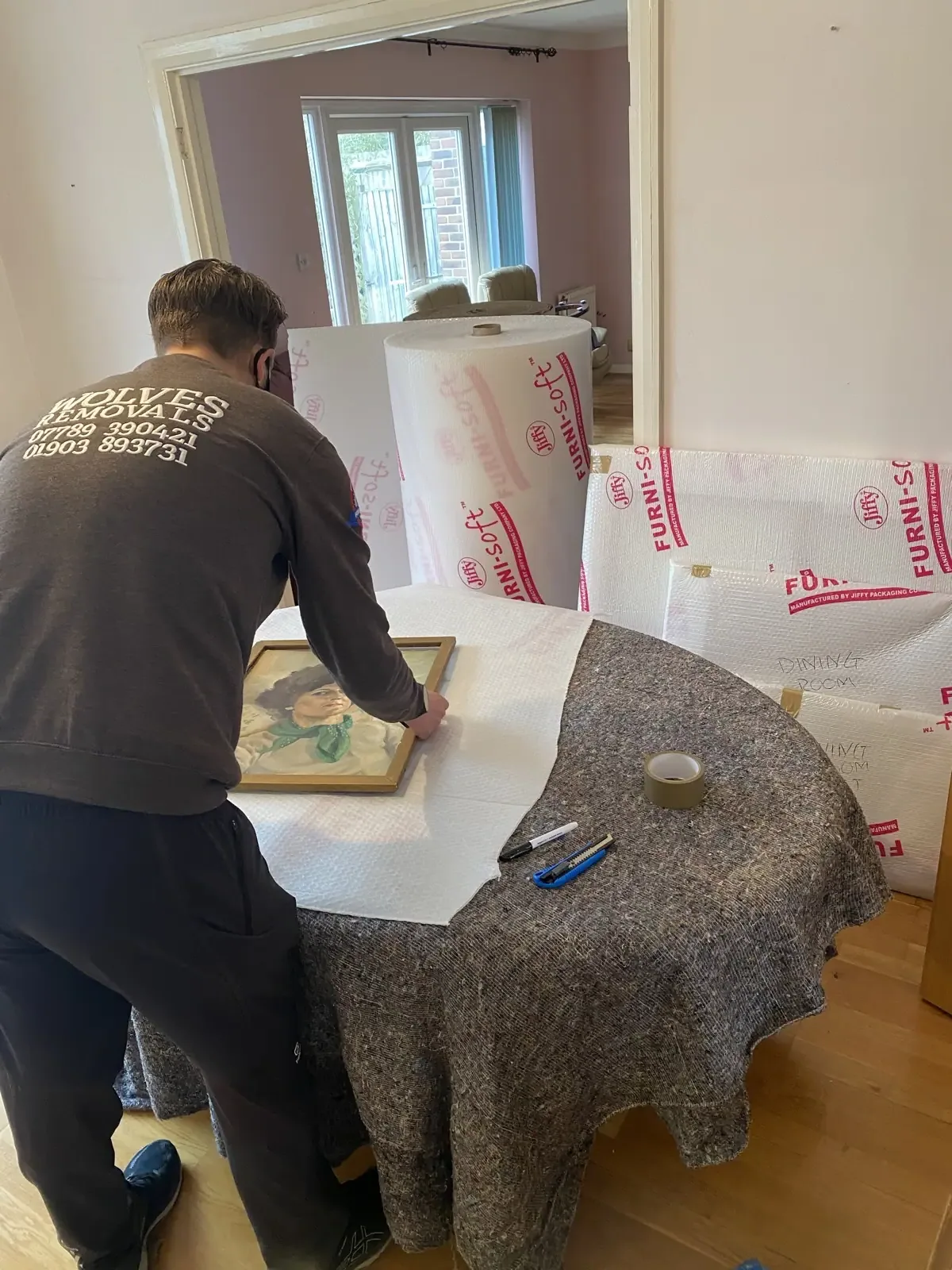
If one piece matters more than the rest, it is the chair. Which way it faced at home — the window, the television, the door — is worth writing down, because it is the first thing a person notices when it is wrong. We photograph the room before we pack it, and the chair goes where the photograph says.
The things that make the room theirs
The pieces that settle someone into a care home room are rarely the furniture. They are the photographs in their usual order, the pictures that hung in the hall, the clock that has always been on the mantelpiece, the radio still tuned to their station, the lamp with the shade that has faded on one side, their own mug.
None of it takes much room and all of it goes in first. Our unpacking service on these moves runs in that order: bedside, pictures, chair, and only then the boxes of clothes.
Get the chair facing the right way and the photographs in order. Everything else can wait.Our rule for the first evening
Clothes and everyday things
Pack for the season, not for the wardrobe: enough for a fortnight, comfortable and easy to put on, plus nightwear, a dressing gown, slippers and a pair of outdoor shoes.
Laundry in most homes is done for everyone together, so every item needs a name label, and the home will ask for it. Add the toiletries they actually like rather than a new set, their glasses and case, hearing aids and batteries, dentures and a pot, a mobile phone and its charger. Anything that will be worn once a year can stay with the family.
What the home will ask about on the day
Seven things come up on almost every admission day: labels, PAT testing, the fire label, medication, paperwork, valuables and the small things that stay with the person.
- Labels on every item of clothing, and ideally on glasses cases and hearing-aid boxes
- PAT testing for the television, radio, lamp and anything with a plug
- The fire label on the armchair, cushions and any upholstered piece
- Medication, which travels with the family in its original packaging, never in a box on the van
- Paperwork: photo ID, Power of Attorney if one is in place, GP details and next-of-kin contacts, ready for admission day
- Valuables: a short written list of what has come in, and a lockable drawer if the home offers one
- Glasses, hearing aids and keys, which stay with the person all day and are never packed
What happens to the rest of the house
One room is a small fraction of a family home. Everything else goes one of four ways, and it is far easier to decide before packing than in the hallway on the day. We go through the house together, room by room, and every item gets one of the four headings below.
With them
The short list above — packed last so it comes off the van first, and unpacked into the room before anything else, so the first thing they see is their own.
To family
The pieces a daughter or a grandchild has been promised. Each person’s share is packed and delivered apart, so a sideboard for one house and the dining chairs for another never share a load. If a piece is going a long way or to someone not yet ready for it, it can wait in storage.
Into storage
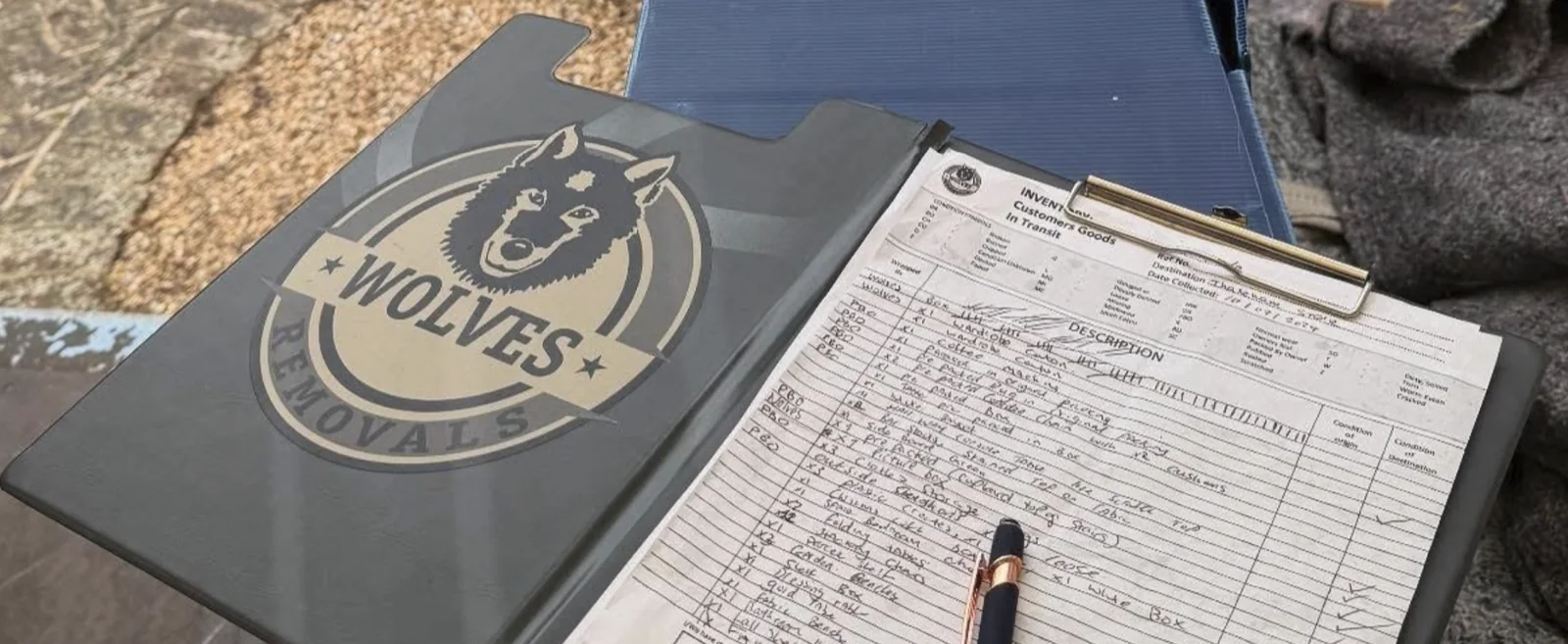
The dining table, the bureau, the paintings, the boxes from the loft. Anything undecided is loaded into a sealed wooden container, listed as it goes in, and kept at our own warehouse in Ashington until the family asks for it: a few weeks, or years. When someone is ready for the dining table, we deliver it to their door.
Not kept
What no one wants is a separate job, and we keep it off moving day on purpose. If the house needs clearing, our house clearance team takes whole properties and buys what has a value. If the house is being sold before the family has decided, the undecided pieces go into storage first, and the sale date stops driving the decision.
If the admission date is close, tell us early — the room note changes what gets packed first.Ask before you pack
The first evening
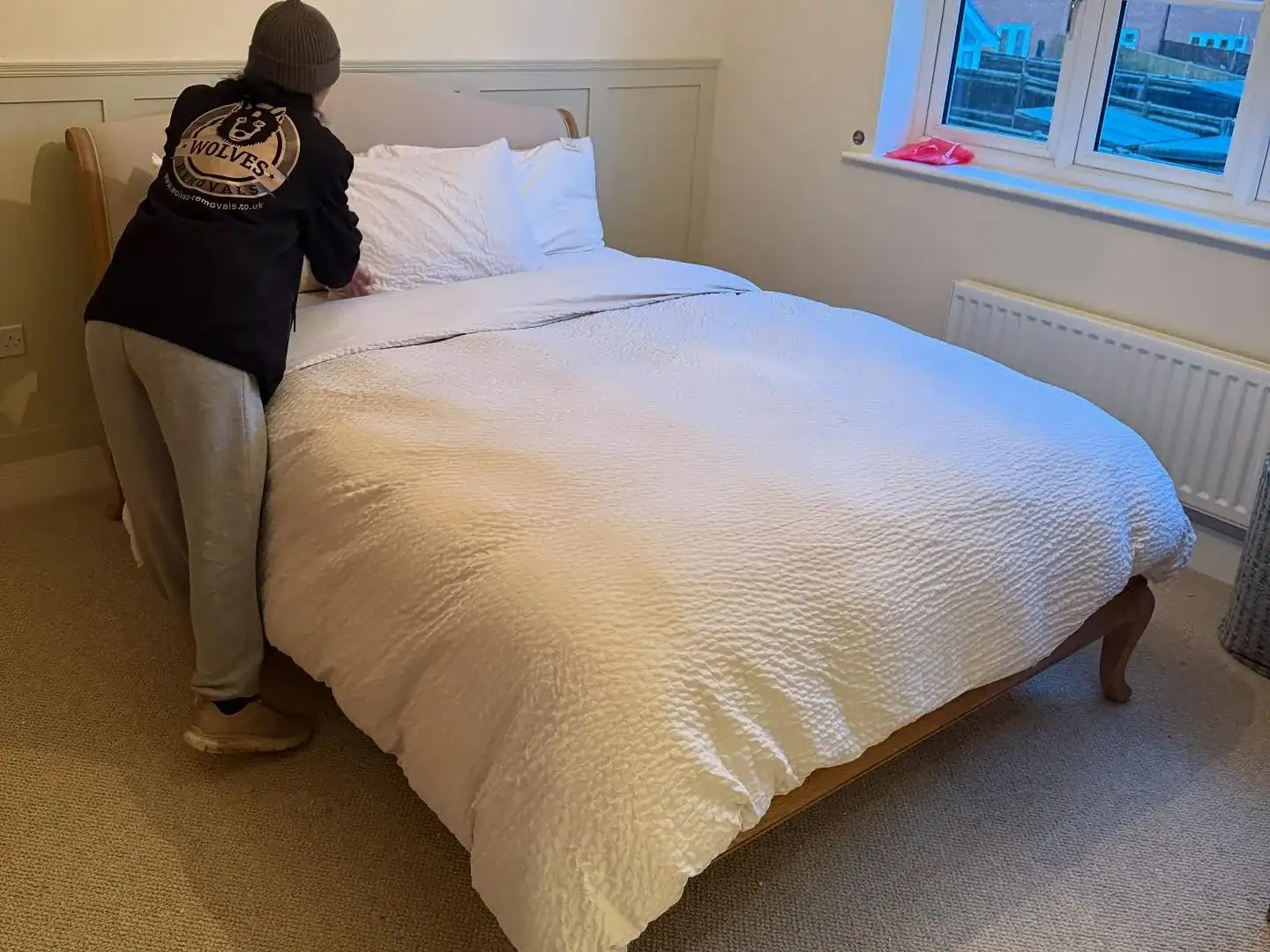
Get the bed made with the bedding from home, the photographs up and the radio on before the clothes are even unpacked, and then stop. Settling into a care home takes weeks rather than days, and the first evening is not the time to finish the job. Have a cup of tea in the chair, in the right place, facing the right way, and leave the rest until morning.
A room list to keep
Everything on this page, in one list:
- Bedding: duvet cover and pillowcases, throw, cushions
- Chair: armchair with fire label, measured against the room note
- Small furniture: bedside cabinet, bookcase or chest, lamp
- Personal: photographs, pictures, clock, radio or television, mug, books
- Clothes: a fortnight for the season, labelled; nightwear, dressing gown, slippers, shoes
- Daily: toiletries, glasses, hearing aids and batteries, dentures, phone and charger
- With the family, not the van: medication, paperwork, valuables, keys
- Everything else: to family, into storage, or cleared — decided before packing day
Packing, the move on the home’s admission day, the room set up as it was, and storage for the pieces the family keeps: for us that is one job. How it runs, step by step, is in our moving into a care home checklist. If the house itself is the bigger question, start with helping a parent downsize before a care home move.
The Wolves Removals Team
Family-run removals · Ashington, West Sussex
We have moved families and businesses across West and East Sussex, Surrey, Hampshire and Kent since 2016, from our Ashington base. We are fully insured, Checkatrade-verified and a LAPADA Approved Service Provider for antiques and fine art. More about us, or read our reviews.
What to Take to a Care Home, and What Happens to the Rest — FAQs
Their own bedding, a favourite armchair if the home allows it, photographs in their frames, the clock, a radio or television, one small piece of furniture, and clothes for the season with name labels. Add glasses, hearing-aid batteries and toiletries they like. Take what they use and look at every day; it is the list Wolves Removals works to on every care home move.
Usually some, rarely all. Most homes welcome an armchair, a bedside cabinet, a small bookcase or a chest of drawers, provided each piece fits and any upholstered item carries its fire-safety label. The bed is normally the home’s own, so a dining table or sideboard will not fit. We ask for the room note at the survey, before anything is decided.
It varies by home, but common rules are: no kettles, heaters or extension leads for fire-safety reasons; no upholstered furniture without a fire label; electricals only once PAT tested; and no large sums of cash or valuable jewellery, which the home will ask you to keep with the family. Medication goes to the home directly, never packed.
Everything that does not go to the room goes one of four ways: with them, to family, into storage, or not kept. Wolves Removals goes through the house with the family before packing, so each item is decided before the day. Storage holds anything undecided in sealed containers at our Ashington warehouse; clearance is a separate job once the family has chosen.
Most provide the bed, mattress, wardrobe, curtains and often a chest of drawers, and many supply bedding and towels, since laundry is done centrally. Families usually bring their own bedding anyway; a familiar duvet cover does more for a first night than a new one. We pack it last, so it is unpacked first. Check the welcome pack for what is provided.
The same list, checked against the new home’s room note, which is easy to skip: the new room may be smaller, use different fixings or already have furniture. Ask for the note in writing, measure the chair against it, and let the two homes agree the dates. How the day itself runs is in our guide to moving from one care home to another.