Moving Someone With Dementia Into a Care Home
Moving someone with dementia into a care home is the move where Wolves Removals slows everything down.

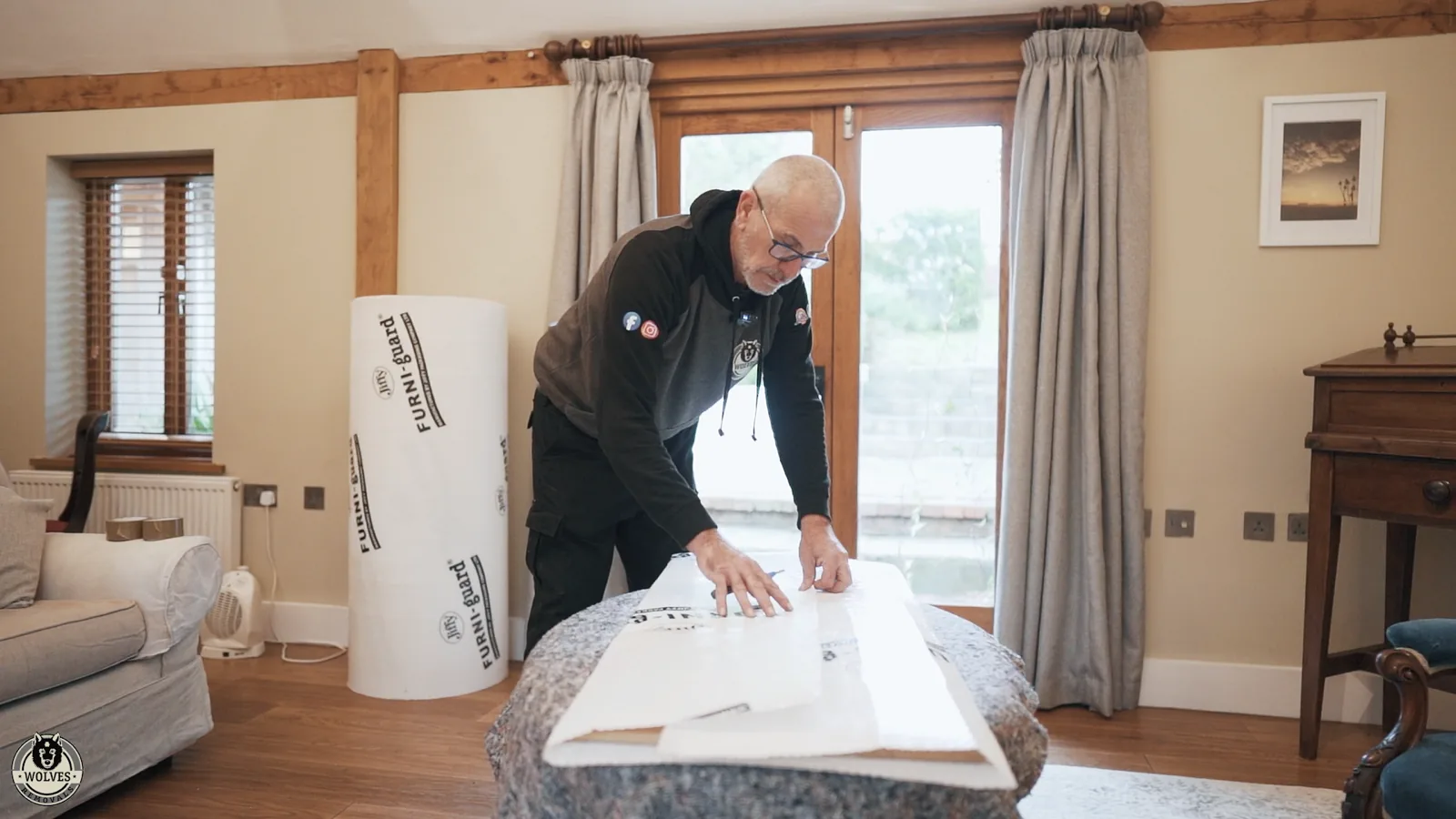
The person at the centre of it may not be able to hold the plan in mind, and a room that looks wrong on the first evening can undo weeks of careful preparation. So the room is the job: photographed before it is packed, rebuilt before they arrive, familiar before it is tidy. This guide covers what transfer trauma is, the method we use to protect the part of it a removals firm can influence, and what belongs to the care home and the Alzheimer’s Society instead.
What is transfer trauma, and why do we plan the day around the room, not the clock?
Transfer trauma is the name care professionals give to the confusion, distress and sometimes physical decline that can follow a move for a person with dementia. It is also called relocation stress syndrome, and it is why a move that a younger person would shrug off can unsettle someone with dementia far more deeply. The Alzheimer’s Society and Dementia UK explain it and how to support someone through it; that is their ground and we stay off it. Ours is narrower and very practical. What we see, move after move, is how much the familiar carries: the side of the bed they sleep on, the chair that has always faced the window, the photographs in the order they have stood in for twenty years. If those are the same on the first evening, the room is a version of home. If they are not, it is a strange room with their things in it.
That is why, on this move, we measure the day by the room and not by the clock. A van unloaded in record time and a room half-finished late in the afternoon is a failed move. A room finished by lunchtime, with tea made and the radio on, is a good one, whatever else took longer.
How do you move someone with dementia into a care home?
In six steps: photograph the room before it is touched, pack it while the person is elsewhere, rebuild it from the photographs before they arrive, fill it with only familiar things on day one, keep the day slow and to the morning with the home’s staff briefed beforehand, and deal with the rest of the house afterwards. None of it is complicated. All of it depends on the order, and each step is set out below.
The service itself, with the packing and the storage of everything not going with them, is set out under moving into a care home on our services pages. This guide is about the parts that change when dementia is part of the move.
Photographing the room before anything is packed
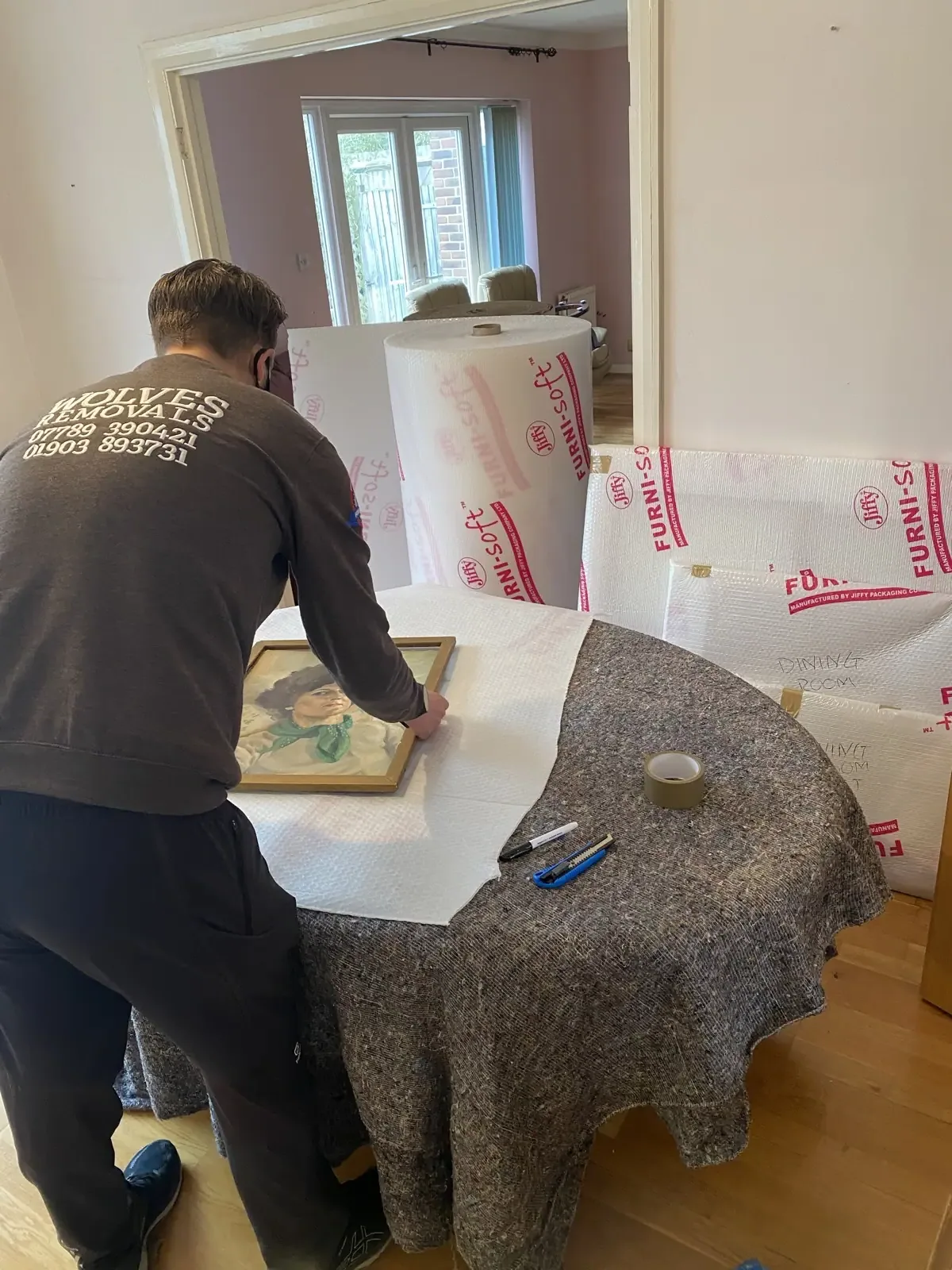
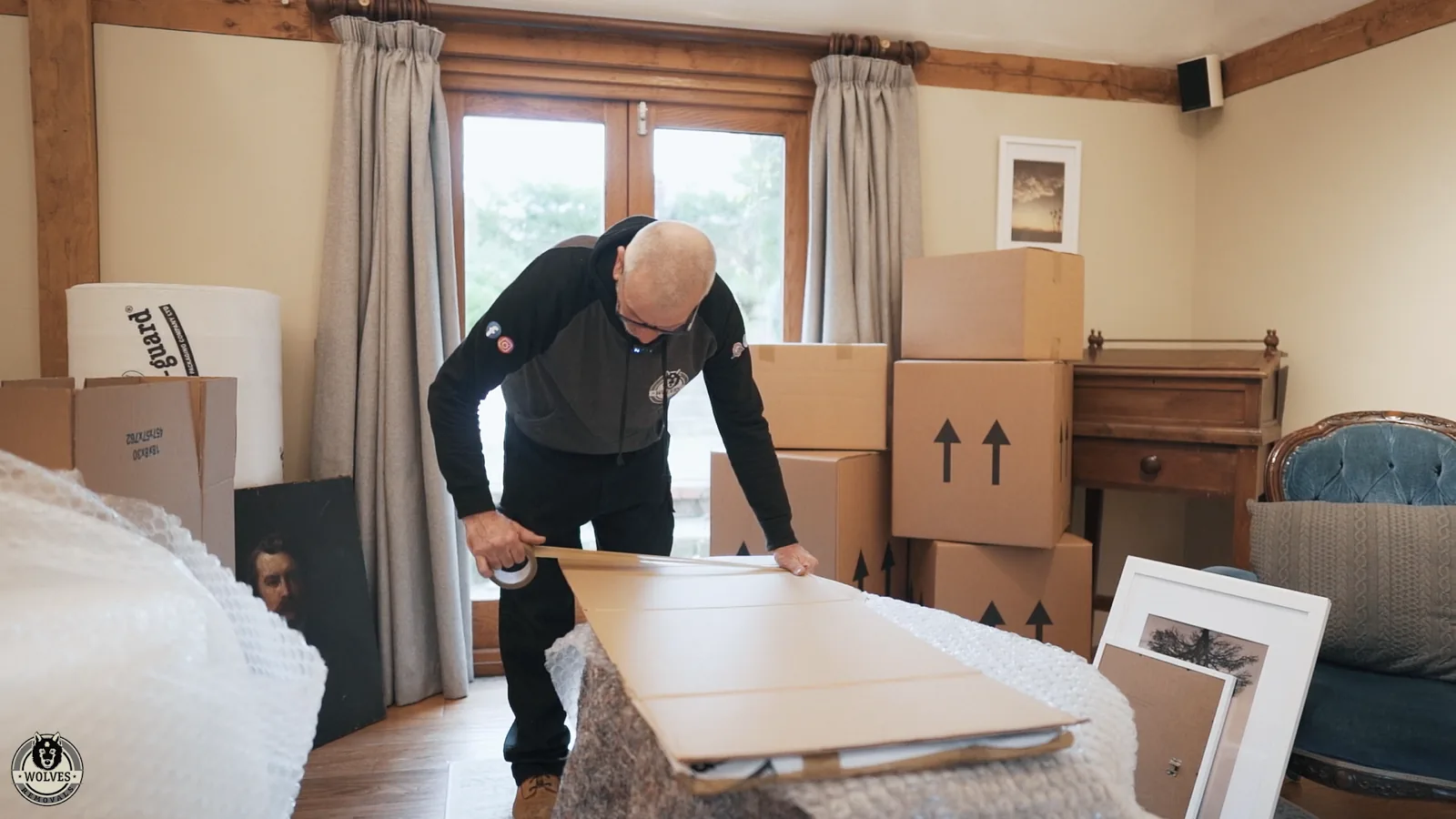
Nothing is packed until one of the crew has photographed the bedroom the person is leaving, and any other room whose contents are going with them. Not one photograph: a set. Each wall from the doorway. The bed from the foot, so the pillows, the throw and what sits on the bedside are recorded as they are. The bedside from the pillow, because that is the view they wake to. The top of the chest of drawers, frame by frame, left to right. Inside the drawers and the wardrobe, so that socks go back in the sock drawer and the cardigans on the same shelf. The mantelpiece, the windowsill, the hook on the back of the door.
The photographs are taken with the family’s agreement and deleted once the room is done. Until then they live on the phone of whoever is setting the room up at the other end, and they are the whole of the instruction. It means the person who packs the room and the person who rebuilds it need not be the same person, and it means the family are not standing in the new room late in the afternoon trying to remember which side the lamp went. It is a small discipline that costs a quarter of an hour, and families often tell us afterwards it was the thing that made the room right.
Should the person be there on moving day?
For the packing, usually not. Watching a bedroom go into boxes is hard for anyone, and for someone who may not be able to hold on to why it is happening it can be frightening. Most often a son or daughter keeps them away for a few hours, at a garden centre, at a sister’s, or at the home itself, which will happily sit them down to lunch, so the packing happens behind them. The home will often suggest this; some plan the admission around it.
For the arrival, yes, and to a finished room. The aim is that the first time they see the new room it already has their bed made in their own bedding, their chair in its place and their photographs up, with a family face at the door. Where going out for the morning is not possible, or the family judge they should see the packing happen, we work with one packer in the room, one room at a time, and their chair goes last. Nobody is hurried and nobody is talked over.
What order is the room unpacked in?
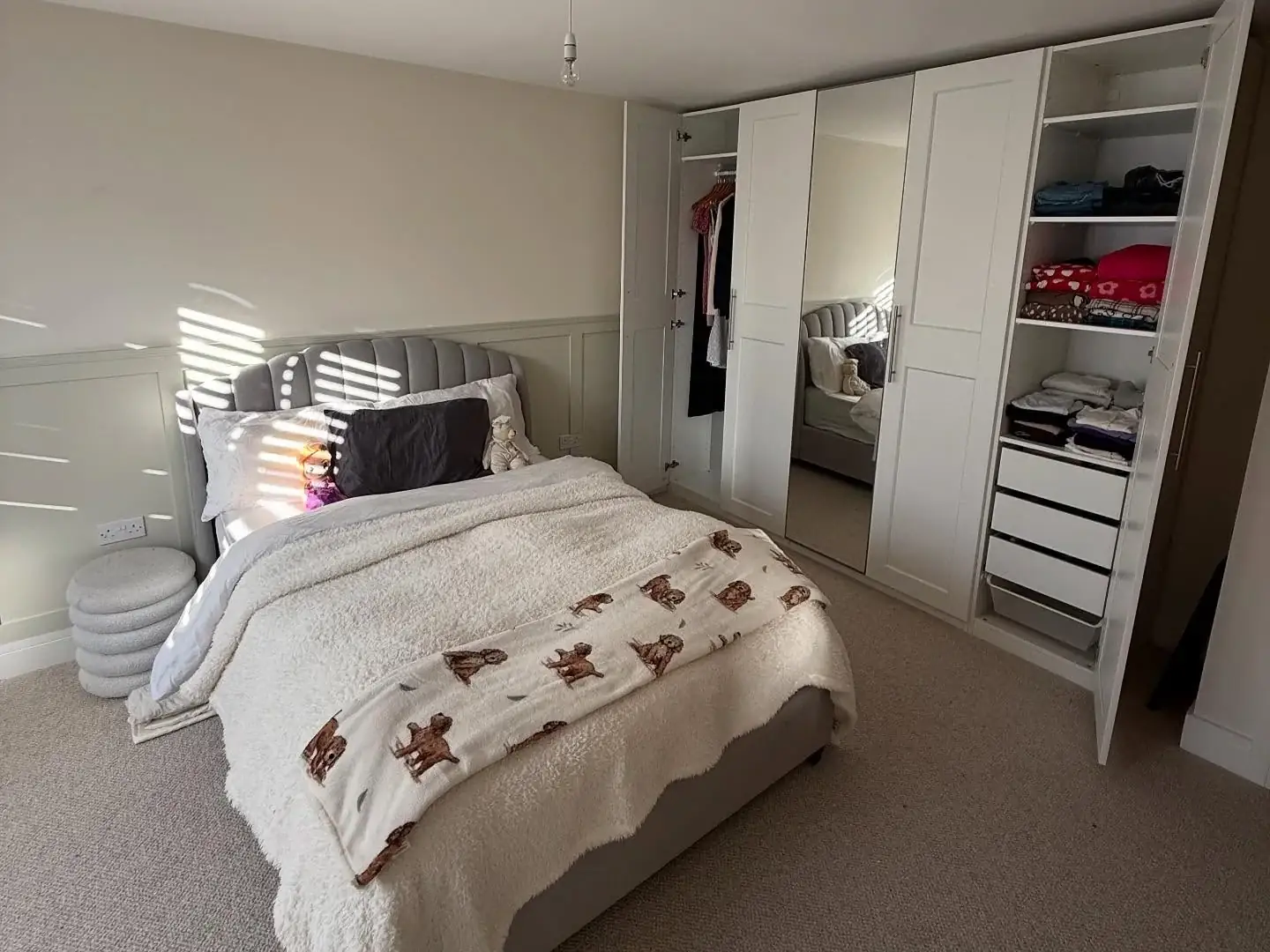
At the care home, the boxes are opened in the order the person will look for things, not the order they came off the van. First the bed. It is made up in their own sheets and duvet, nothing bought for the move, because bedding is what they touch first and it still smells of the house. Then the bedside, arranged from the photograph taken from the pillow: the lamp on the same side, the glasses, the clock, the book. Then the chair, turned towards whatever it looked at in the old room, window or television, with the small table it always had next to it. Then the pictures on the wall and the frames on the surfaces, left to right as the old room had them. Then the clock and the radio, already on the right station, and whatever lived on the mantelpiece and the windowsill.
The wardrobe and the chest of drawers are filled last, from the photographs of the drawers, and the boxes and wrapping leave with us so there is nothing in the room that was not there yesterday. Nothing new goes in on the first day. No new lamp because the old one is tired, no new duvet cover because the old one is faded. New things can come later, one at a time, when the room is already home.
Nothing new goes into the room on the first day. The duvet cover can be faded. It smells of the house, and on the first night that is worth more than anything bought this week.How we set up a care home room for someone with dementia
What does a dementia-friendly move look like on the day?
We book these moves for the morning. We are in the house early, the room is packed by mid-morning and set up at the home by early afternoon, so that the arrival, the first cup of tea and the first sit in the chair all happen while the day is still calm. Care home staff often ask us to be finished by two or three o’clock. They have their reasons, and they are the right people to give them; we plan around the request.
The crew is small and quiet. Usually two people rather than four; no music in the room; no shouting up the stairs. If the person is present, one member of the crew speaks to them, by name, and explains what is happening in a sentence each time, not a paragraph. If they want to hold something, they hold it. If they would rather stay in their chair while the room empties around them, the chair is the last thing onto the van. If they become upset, we stop, step out, and the home’s staff or the family lead until they are ready. We do not finish this job faster by pushing on.
What do we ask the care home before the move?
What we need from the home is short: the room’s measurements and what it comes furnished with, so the family know whether the armchair or the chest of drawers will fit; whether upholstered furniture from home needs a fire label; when the corridor is quietest and where a van can pull in; which member of staff will be on duty when we arrive; and what the home would like to happen at the door, because most have a way of doing arrivals that works. Some homes prefer the family to bring the person in once the room is finished; a few like to do it themselves. A week or so before the date, and with the family’s agreement, we ring them to ask.
What we give them is a time we will keep to, the name of the person on our side who will be in the room, and a promise that we will leave nothing behind, no cartons, no tape, no paper, that a resident might trip over. Prescriptions, the GP’s notes and the care plan travel with the family or the home’s staff; nothing of that kind goes on our van. The home’s manager will usually have spoken to the family about the first days already; where a family wants a longer written guide to that side, the Alzheimer’s Society’s pages on the first weeks in a care home are the ones we point to.
What families can do, and what to leave to us
The most useful thing a family does is know the room. Which side of the bed. Where the glasses live overnight. Whether the curtains are opened first thing or the lamp goes on. Which photograph stands nearest the bed. Our photographs record what is there; the family knows why, and the two together make the room right. Tell us the small things before the day, and be the familiar face at the door of the new room. Bring the bedding from the house, not new bedding, and ask the home whether it wants name labels in it first. Choose the six or eight photographs that matter most, in their order, and put them in one box that travels with you rather than with us.
Leave the lifting, the wrapping, the dismantling and the reassembly to us, and leave the rest of the house alone until the room is settled. Clearing the house the same week is tempting, and it removes the family’s ability to change their mind about anything in it later. Everything that is not going to the room is sealed into a container in our storage, where it can sit for months while the family make up their minds; our guide to helping a parent downsize before a care home move covers how that sorting goes when it is done at the right time, which is not moving week.
When the move is at short notice, or from hospital
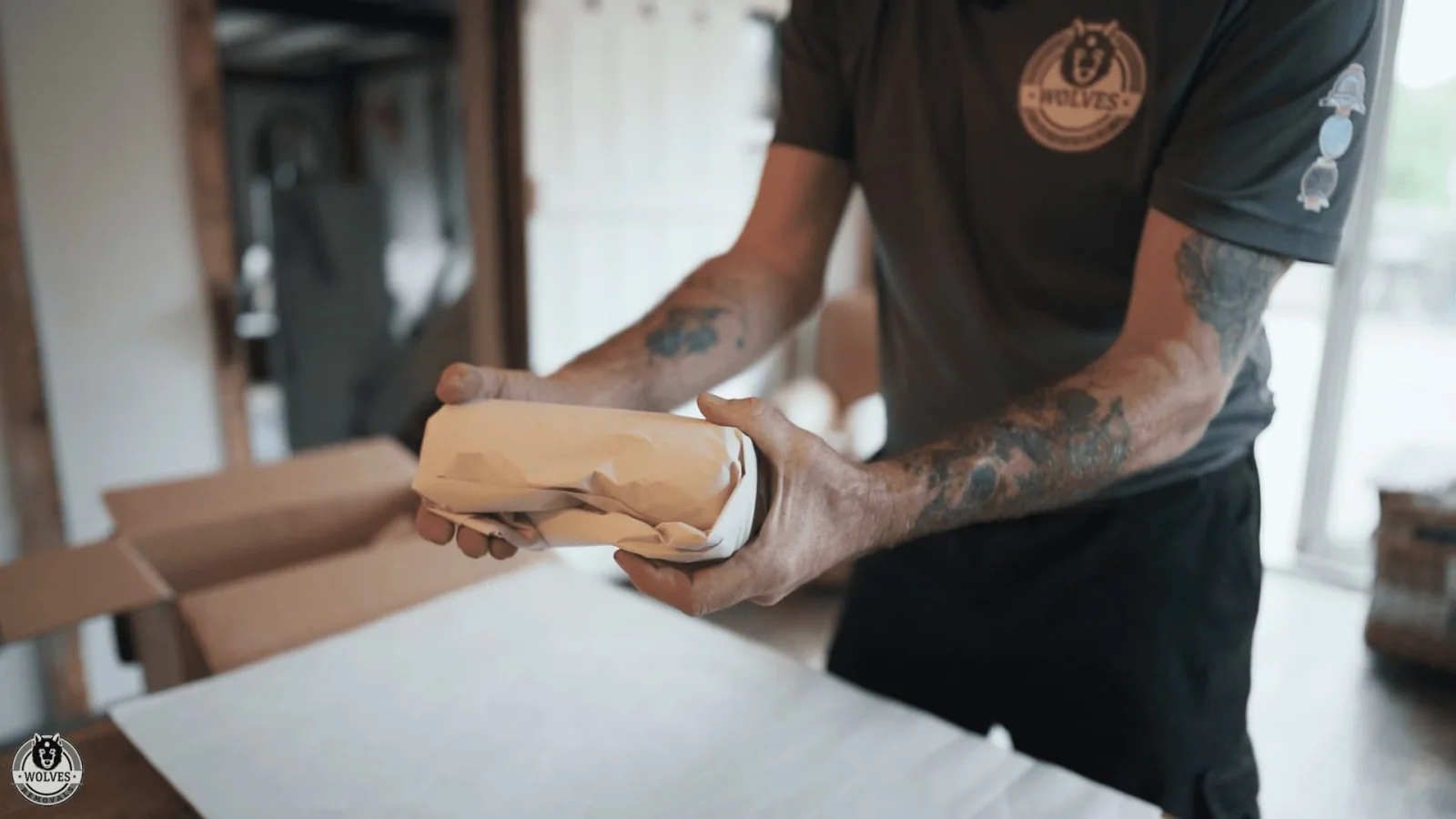
A good number of these moves begin on a hospital ward. A stay after a fall becomes an assessment, the assessment becomes a decision, and the family have a week to move a parent with dementia into a care home or a nursing home from a house the parent has not been in for a month.
The method does not change; if anything it matters more, because the person will be arriving from a hospital bed to a room they have never seen, and the room is the only familiar thing on offer. Wolves Removals
What changes is that the family are packing on their parent’s behalf, usually without them, and often from a distance. We photograph the house exactly as we would with the person present, work from the family’s list of what should go with them, and set the room up before discharge so that the home can receive them into it. Where the discharge date moves, and they do, the room’s contents wait in our store and go in the day before the new date. The rest of the house waits too. For the first pass at that list, families use our guide to what to take to a care home; it is written for exactly this week.
If you are planning a move like this, ring us before the date is fixed rather than after: the home, the family and the crew planning the same morning is most of the difference. Our care home moves service page has what is included and how to book; if the move is between two homes rather than from a house, moving from one care home to another covers that day.
The Wolves Removals Team
Family-run removals · Ashington, West Sussex
We have moved families and businesses across West and East Sussex, Surrey, Hampshire and Kent since 2016, from our Ashington base. We are fully insured, Checkatrade-verified and a LAPADA Approved Service Provider for antiques and fine art. More about us, or read our reviews.
Moving Someone With Dementia Into a Care Home — FAQs
Transfer trauma, also called relocation stress syndrome, is the distress, confusion and sometimes decline in health that can follow a move for a person with dementia. It is a care matter, and the Alzheimer’s Society and Dementia UK describe it fully. The part a removals firm can affect is continuity: a room that looks, feels and is arranged as the old one was.
Yes, but most families arrange for them to be out during the packing and to arrive once the room is finished. Watching a bedroom go into boxes can be distressing when the reason for it is hard to hold on to. If they are present, we work room by room with one packer, and their chair is moved last.
A morning and the early afternoon. The room is packed first thing, driven over, and rebuilt from the photographs before the afternoon settles in, so the arrival happens while the day is calm. The care home usually fixes the arrival time and often asks for the room to be ready by two or three o’clock. The rest of the house is not touched that day.
By rebuilding it from photographs of the old one. Wolves Removals photographs every wall, the bedside from the pillow and the inside of the drawers before packing, then unpacks in the order the person will look for things: bed and bedding first, bedside, chair, pictures, radio, then the wardrobe. Nothing new goes in on day one.
Yes, after the room is settled rather than the same day. Everything that is not going to the care home goes into our Ashington store, and the family sort it at their own speed over the following months. Wolves Removals then delivers what is kept and runs a house clearance for what is not, once the decisions are made.
From the Alzheimer’s Society, Dementia UK and the care home’s own manager, not from a removals firm. They cover when a move is right, how to talk about it, and the first weeks in the home. We keep to the room, the packing, the day and the storage, and we say so when a family asks us something outside that.