Retiring to Bognor Regis: Housing, Getting Around and Community Life
Bognor Regis is a retirement coast by the numbers, not just by reputation — more than a quarter of the district is over 65, and bungalows are twice as common here as nationally.

This guide covers what that means in practice: where the single-level housing actually is, what the different kinds of retirement property commit you to, and how the town works once you stop driving.
Bognor Regis has been a retirement coast for generations, and the figures bear it out rather than merely repeating the reputation. At the 2021 Census, 28.4% of people in Arun district — the local authority covering Bognor Regis — were aged 65 or over, against 18.4% across England. The median age here is 49, against 40 nationally. What that means in practice is a town built, stocked and organised around people in later life, and this guide covers the three things that decide whether it works for you: what housing actually exists, how you get around without a car, and what is there when you arrive.
The concentration varies sharply by village, which is worth knowing before you choose one. On Census 2021 figures, 44.5% of Aldwick residents were 65 or over — close to half the village. Middleton-on-Sea was 35.6%, Nyetimber and Pagham 34.9% and Felpham 30.5%, against 23.2% in central Bognor Regis and 20.6% in North Bersted. If you want neighbours at the same stage of life, the villages deliver it emphatically; if you would rather live among a mix of ages, the town centre and the newer estates north of it are the honest answer.
The bungalow belt is real, and it is in the villages
Single-level living is the practical heart of most retirement moves, and this is where Bognor Regis genuinely differs from almost anywhere else. Bungalows make up 19.6% of homes in Arun district against 9.0% across England — more than double the national rate, according to Valuation Office Agency council tax stock data as at 31 March 2025.
The concentration is not in the town, though. It is in the villages: 46.2% of homes around Nyetimber and Pagham are bungalows, and 32.4% in Aldwick, against 2.7% in central Bognor Regis (Valuation Office Agency, March 2025).
Nearly half the homes around Nyetimber and Pagham are bungalows. In central Bognor Regis it is under three in a hundred. If level access matters to you — now or in ten years — that single chart should shape where you look, and it explains why the villages hold their value with downsizers even when the wider market softens. For how the villages compare on shops, surgeries, schools and buses, see our village comparison; for their character, our guide to living in Bognor Regis; for what they cost, the price breakdown by village sits in our practical moving guide.
The retirement housing types, and what each one means
“Retirement property” covers several quite different things here, and the differences matter more than the brochures suggest.
Private over-60s apartment developments. Purpose-built blocks with a house manager, lift, communal lounge and emergency call system. Pagham Court on Hawthorn Road is a McCarthy & Stone development of this kind, built in 2011, where every resident must be over 60. Buying one is a leasehold purchase: check the length of the lease, the annual service charge and — the one people miss — the event fee or transfer fee payable when the property is eventually sold on.
Three things decide whether a retirement flat is a good buy, and none of them appears in the brochure photography. The lease length matters because a short lease is expensive to extend and hard to sell on. The service charge pays for the house manager, the lift, the communal areas and the buildings insurance, so it is rarely small and it rises. And many retirement leases carry an event fee — a percentage of the sale price payable when the property is next sold, sometimes years later by your executors. None of these is a reason not to buy; all of them are reasons to have a solicitor who has read a retirement lease before.
Council sheltered housing. Arun District Council lets sheltered housing for older residents, which is rented rather than bought and allocated through the council rather than an estate agent.
Residential park homes. A genuinely different route: you own the home and pay a pitch fee for the plot. Poplars Court in Bognor Regis is an over-50s residential park with a twelve-month residential licence. Park homes are usually single-level and cheaper to buy than bricks and mortar, but they are a different legal animal — pitch fees, site rules and resale commission all need reading properly before you commit.
Prices move constantly and the retirement market is thinly traded, so we are not going to publish an average that will be wrong by Christmas. What we can say is that in August 2026, retirement properties advertised in and around Bognor Regis mostly sat between roughly £125,000 and £350,000.
Getting around without a car
This is the question that decides how long a coastal retirement stays comfortable, and Bognor answers it better than most seaside towns.
The ground is flat. Bognor Regis sits on the South Coast Plain, which Natural England describes as a flat coastal landscape between the South Downs and the Channel. There are no hills to defeat you on the way back from the shops, which sounds trivial until you have lived somewhere with them. The promenade runs around 2.75 miles from Aldwick to Middleton-on-Sea and is shared use, so it works for walkers and wheeled users alike.
The bus pass is generous. West Sussex residents who have reached State Pension age can get a free older person's bus pass, giving free travel on local buses anywhere in England off-peak — from 9.30am to 11pm on weekdays and all day at weekends and bank holidays. The Coastliner 700 along the coast is frequent enough to use casually rather than plan around; full route detail is in our moving guide.
The honest caveat: the villages are better for peace than for errands.
Bungalow-heavy Pagham and Aldwick are quiet precisely because they are residential, so check the walk to a shop, a pharmacy and a bus stop from any specific address before you fall for the garden. Wolves Removals
What is there when you arrive
The infrastructure for later life here is unusually developed, which is what a 28% over-65 population buys you.
Age UK West Sussex, Brighton & Hove runs the Laburnum Centre on Lyon Street, with a gym for the over-50s, a café, computer access, advice services and dementia support. Membership has been required to use the centre since April 2025.
Arun District Council runs Arun Lifeline, a telecare personal alarm monitored around the clock every day of the year, starting from £21 a month after a free trial, with free installation. For anyone moving away from family, it is the single most reassuring thing on this list.
There is also a Good Neighbours scheme in the district for older people living alone or socially isolated — worth knowing about before you need it rather than after.
What to check before you commit to an address
Everything above is about the town. These are the things we would check about a specific property, because they are what people tell us they wish they had asked.
Walk the errands, not the postcard. Time the walk from the front door to a shop, a pharmacy and a bus stop — in that order. A ten-minute stroll to the sea is lovely and irrelevant on a wet Tuesday in February.
Look at the level access properly. A bungalow can still have three steps to the front door, a lipped shower tray and a garden on two levels. Single-storey is not the same as step-free, and retrofitting is far dearer than choosing well.
Ask what the parking arrangement really is. Many village bungalows have a driveway; many seafront flats have a permit scheme or nothing at all. It matters for visiting family and carers as much as for you.
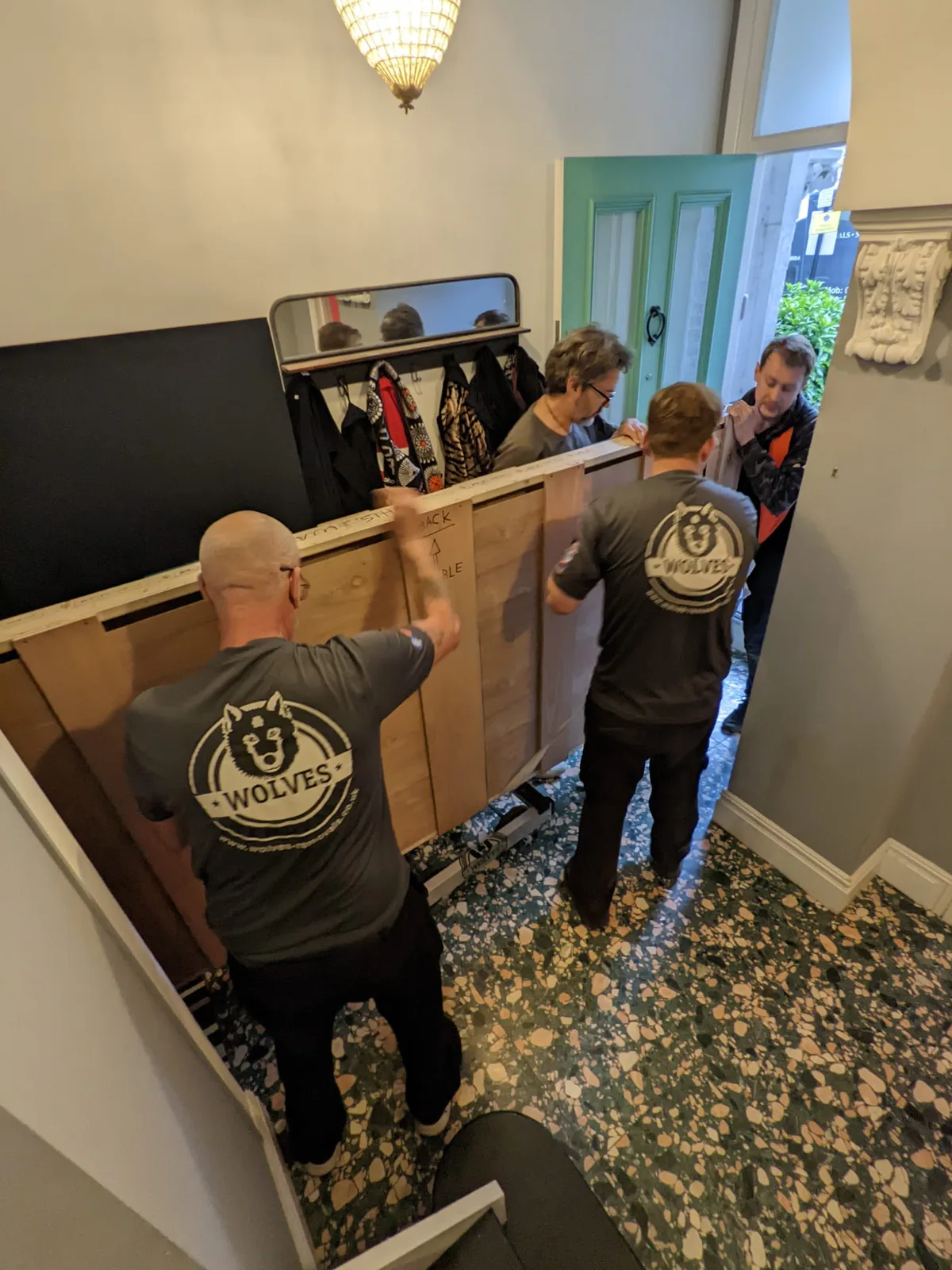
Check how a large item gets in. Sofas and beds have to reach the room, and in flats that means the lift, the stair turn or a window hoist. We survey this before every move for a reason: it is the single most common unpleasant surprise on moving day.

The money, honestly
If you are retiring out of London, the arithmetic is worth seeing in full — our guide to moving from London to Bognor Regis sets the two markets side by side.
We are not going to invent a cost-of-living comparison; no reliable published figure compares retirees on this coast with the national picture, and made-up precision helps nobody. Two things are concrete and worth banking. If you live alone, you get 25% off your council tax bill — the single-person discount, which applies everywhere but matters more on a fixed income. And the bus pass above turns local travel into a fixed cost of nothing.
Planning a retirement move
Two things make these moves different from any other, and we would rather point you at the right guide than pad this one.
The first is the sorting. Moving from a family house into a bungalow or an apartment usually means parting with a third of what you own, and doing it well takes months rather than weekends. Our guide to downsizing your home covers that process properly, room by room.
The second is access on the day. Retirement blocks run to their own rules — a shared front door, a lift that will not take a wardrobe upright, a loading bay booked through the building manager rather than a free kerb. Those specifics are covered in how we plan around retirement-block access.
Is retiring to Bognor Regis right for you?
It suits you if you want single-level living within walking distance of the sea, flat ground underfoot, a bus pass that actually goes somewhere, and the reassurance of a town where a quarter of your neighbours are the same age and the services have grown up around that. It suits you less if you want a lively high street on your doorstep, or if you are looking for a purpose-built retirement village of the kind found further west — the stock here is over-60s apartments, council sheltered housing and park homes rather than resort-style complexes.
If you are weighing the town as a whole rather than the retirement question specifically, start with our honest guide to living in Bognor Regis.
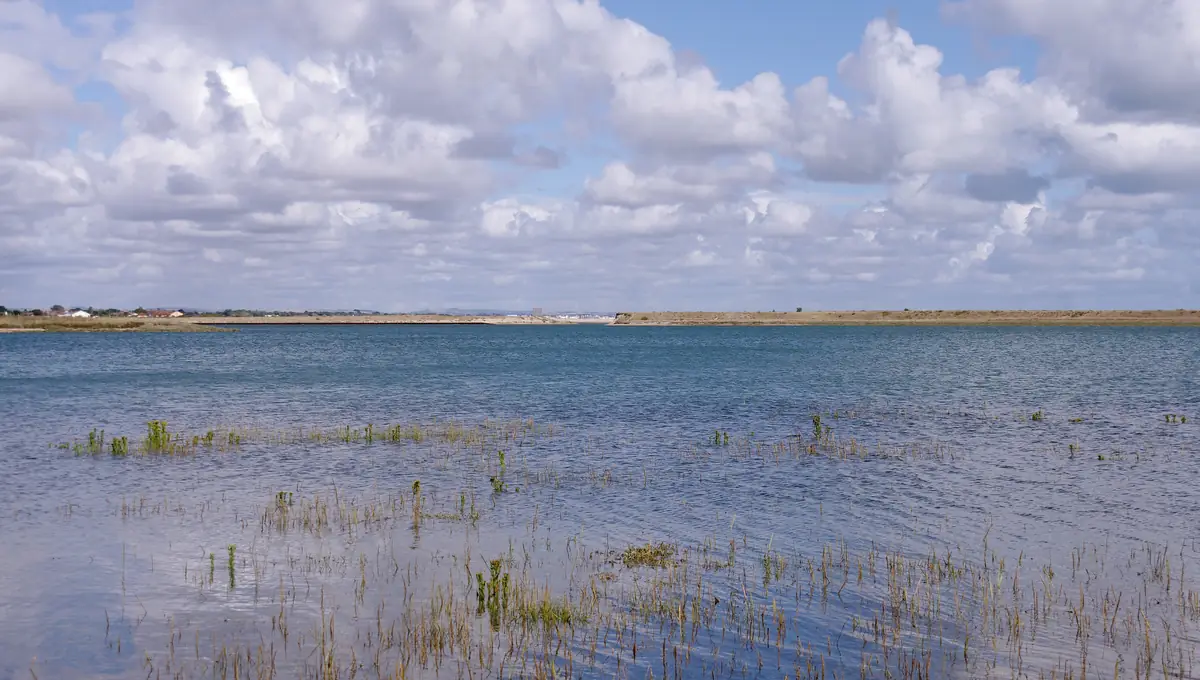
Photography: the Pagham Harbour photograph at the top of this guide is “Upper Norton MMB 03 Pagham Harbour” by mattbuck, CC BY-SA 4.0, via Wikimedia Commons, cropped for this page.
The Wolves Removals Team
Family-run removals · Ashington, West Sussex
We have moved families and businesses across West and East Sussex, Surrey, Hampshire and Kent since 2016, from our Ashington base. We are fully insured, Checkatrade-verified and a LAPADA Approved Service Provider for antiques and fine art. More about us, or read our reviews.
Retiring to Bognor Regis: Housing, Getting Around and Community Life — FAQs
It suits retirement unusually well on the practical measures: bungalows make up 19.6% of homes in Arun district against 9.0% nationally, the ground is flat, the promenade is level and shared-use, and 28.4% of the district's population is already 65 or over, so services have grown up around that. It suits you less if you want a busy high street on your doorstep.
In the villages, not the town. Bungalows are 46.2% of homes around Nyetimber and Pagham, 32.4% in Aldwick, 24.3% in Middleton-on-Sea and 22.8% in Felpham, against just 2.7% in central Bognor Regis (Valuation Office Agency data, March 2025).
Three main types: private over-60s apartment developments such as Pagham Court on Hawthorn Road, council sheltered housing let by Arun District Council, and residential park homes such as Poplars Court. There is no resort-style retirement village locally. Each has very different ownership terms — leasehold service charges, council tenancy, or a pitch fee.
More easily than in most seaside towns. The land is flat, the promenade runs about 2.75 miles as a shared-use path, and the older person's bus pass gives free off-peak travel from State Pension age. The caveat is the villages: they are quiet because they are residential, so check the walk to a shop, pharmacy and bus stop from any particular address.
Yes — they are a large part of what we do on this coast, including moves into over-60s blocks and park homes where access, lift size and loading bays all need arranging in advance. We quote from a proper survey, in writing, with no obligation.